
Blooming
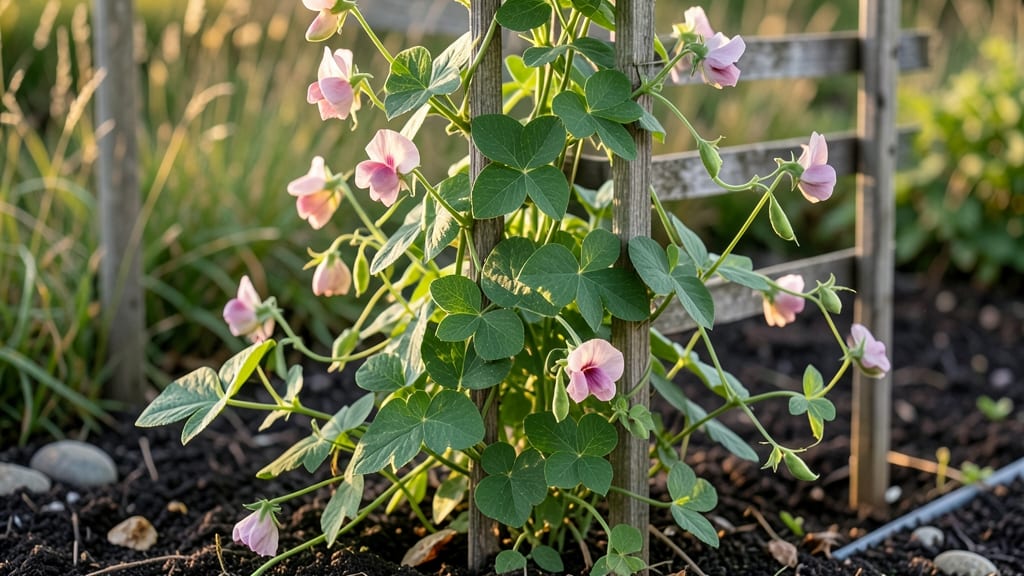
If you’ve ever wondered why your sweet pea blooms 🌸 fade faster than you’d like, the answer lies in their natural flowering cycle—and how you can tweak it.
These fragrant climbers typically burst into color for 4 to 6 weeks per flush, but with the right care, you can stretch that window into months.
Variety plays a huge role: early bloomers like ‘Cupani’ might only shine for 3 weeks, while late-season types like ‘Spencer’ can linger until summer’s end. Climate matters too—cool, damp springs in USDA Zone 6 often mean longer displays, while heat can cut blooms short.
Here’s the game-changer: deadheading spent flowers, feeding lightly every 4-6 weeks, and keeping soil moist (but not soggy) can coax your sweet peas into reblooming. Think of it as giving them a second act after their initial showstopper performance.
Ready to turn your garden into a sweet pea paradise? I’ll walk you through exactly how to time your planting, care routines, and even which varieties pair best for continuous color. Let’s make those blooms last!
Sweet pea flowering duration by variety: early, mid, and late bloomers
Sweet peas are famous for their short but intense flowering season, but the exact duration varies wildly depending on the variety you choose.
Early bloomers like ‘Cupani’ might only grace your garden for 3-4 weeks, while late-season types like ‘Spencer’ can stretch their show into 8 weeks or more. Understanding these differences is key to planning a garden that stays vibrant from spring through summer.
The secret lies in their natural growth cycle: sweet peas produce one massive flush of blooms before needing a rest. However, with proper care—like deadheading and consistent moisture—many varieties will rebloom 1-2 times during the season.
This means a well-cared-for ‘Sugar Ann’ could give you 10 weeks of color instead of just 5!
Climbing varieties typically outperform dwarf types in both bloom duration and quantity, thanks to their larger root systems and ability to produce more flowers. For example, ‘Perfume Delight’ climbs 8 feet tall and often blooms 2 weeks longer than its bushy cousin ‘Dwarf Blue’.
If you’re short on space, don’t worry—dwarf varieties like ‘Little Lily’ still pack a punch with 4-5 weeks of continuous blooms.
Here’s the breakdown you’ve been waiting for—how each category performs in USDA Zone 6 conditions (adjust slightly for warmer or cooler climates):
| Variety | Type | Bloom Duration (Weeks) | Rebloom Potential | Best For |
|---|---|---|---|---|
| 'Cupani' | Climbing | 3-4 weeks | Minimal (1x) | Early spring color |
| 'Sugar Ann' | Climbing | 6-8 weeks | Moderate (2x) | Extended seasonal display |
| 'Spencer' | Climbing | 8-10 weeks | Strong (2-3x) | Late-season blooms |
| 'Little Lily' | Dwarf | 4-5 weeks | Moderate (1x) | Containers & small gardens |
| 'Perfume Delight' | Climbing | 7-9 weeks | Strong (2x) | Fragrance & height |
| 'Black Prince' | Climbing | 5-6 weeks | Moderate (1x) | Dramatic dark blooms |
If you’re aiming for non-stop color, mix early, mid, and late bloomers in your garden. For example, plant ‘Cupani’ in early March for spring blooms, followed by ‘Sugar Ann’ in late March, and top it off with ‘Spencer’ in early April.
This staggered approach ensures your garden never loses its sweet pea charm.
Color also plays a role in bloom duration—darker varieties like ‘Black Prince’ often have slightly shorter seasons because their petals absorb more heat. Lighter hues like ‘Sugar Ann’ (pale pink) tend to rebloom more reliably in hotter climates.
Pro tip: if you’re in a Zone 7 or warmer, opt for lighter varieties to combat heat stress.
Don’t overlook dwarf varieties for containers or small spaces. While they may not climb as high, their compact growth habit means they focus energy on producing blooms rather than vines.
‘Little Lily’ is a perfect choice for balconies or window boxes, delivering 4-5 weeks of cheerful blooms with minimal effort.
For maximum impact, pair your sweet peas with com
Climate and care factors that extend sweet pea blooms for weeks
Sweet peas thrive in cool climates—think USDA Zones 6-8—where their blooms can last 6-8 weeks with proper care. In warmer regions, however, heat stress can cut that time nearly in half.
The key to extending their display lies in mimicking their natural spring-like conditions year-round, even if you’re in a hotter zone.
I’ve found that deadheading spent flowers is the #1 trick to prolong blooms. When you remove faded blooms, you signal the plant to redirect energy into new buds instead of seed production.
Pair this with consistent moisture and balanced fertilization, and you’ll coax your sweet peas into reblooming for months.
⚠️ Common Mistake: Overcrowding Shortens Blooms
Sweet peas need air circulation to thrive. When plants are too close, they develop fungal diseases (like powdery mildew) that weaken stems and reduce flowering. Space climbing varieties 12-18 inches apart and dwarf types 6-8 inches apart to maximize blooms.
Soil fertility is another game-changer. Sweet peas prefer well-draining, slightly acidic soil (pH 6.5-7.0) rich in organic matter. Before planting, mix in compost or aged manure to provide a steady supply of nutrients.
A light feeding every 4-6 weeks with a balanced 5-10-10 fertilizer keeps them blooming without overstimulating leafy growth at the expense of flowers.
Watering schedules can make or break your sweet peas’ longevity. These plants hate soggy roots but also wilting stress. Aim for 1 inch of water per week, delivered in the morning to reduce fungal risks.
In hot climates, mulch heavily with straw to retain moisture and keep roots cool. I’ve seen sweet peas in Zone 9 rebloom for 10 weeks when given this care!
Climate-specific strategies can double your blooming window. In cool regions, plant early varieties (like ‘Cupani’) in late summer for a fall display. In warm zones, opt for heat-tolerant varieties (like ‘Perfume Delight’) and provide afternoon shade to prevent wilting.
Both approaches extend the season by 3-4 weeks.
Finally, avoid over-pruning—sweet peas bloom on new and old wood. Trim only to remove dead or diseased stems, and never cut back more than 1/3 of the plant at once. With these adjustments, you’ll turn your sweet peas’ 4-6 week show into a 3-month spectacle.