
How To
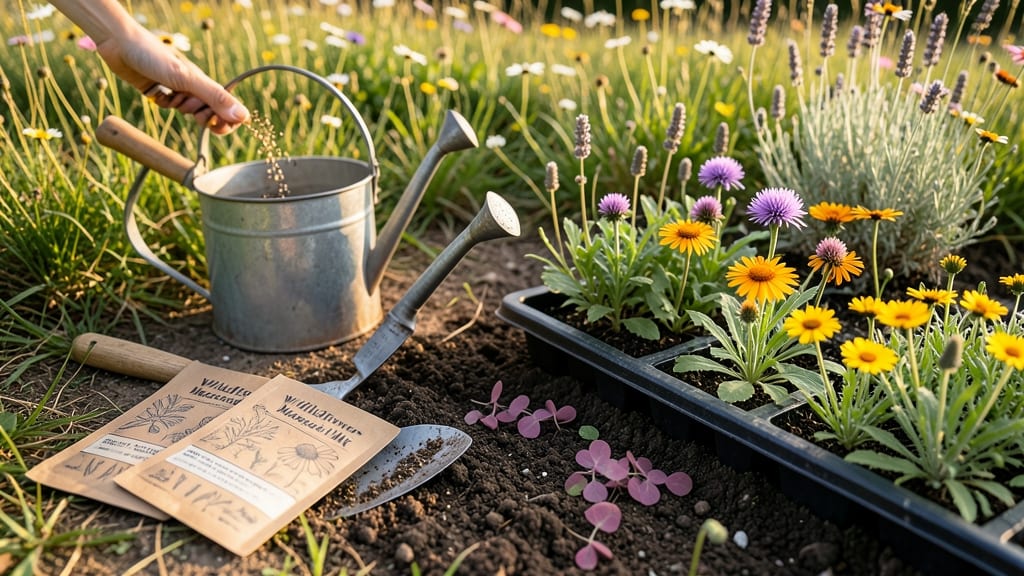
If you’ve ever wondered how long do wildflower seeds take to grow before bursting into color, you know the wait can feel endless—but the timeline isn’t as mysterious as it seems.
Most seeds sprout within 7 to 30 days, though some patient varieties take up to 60 days to show their first green shoots. The key? Soil warmth and a few simple tricks that cut weeks off the waiting game.
Picture this: you’ve prepped your soil, scattered those tiny seeds, and watered gently—now what? The real magic happens below ground, where temperature dictates speed.
Cooler soils (like those in early spring or fall) slow germination, while a warm, sun-drenched spot can have sprouts popping up in just 5 days for fast-growing species. But don’t worry if your patch is slower; even the most patient bloomers reward you with vibrant meadows by summer.
What you’re about to discover isn’t just about waiting—it’s about working with nature. I’ll share the soil warmth hacks that turn “slow” into “speed,” from black plastic mulch shortcuts to the best planting times for your zone. Plus, we’ll tackle the biggest myths holding back your wildflower dreams.
Ready to turn bare dirt into a buzzing, blooming paradise? Let’s break down exactly what to expect—and how to make those wildflower seeds grow faster than you thought possible.


Wildflower seed germination timeline: from planting to first blooms
Understanding the wildflower seed germination timeline helps manage expectations and troubleshoot delays. Most wildflower seeds sprout within 7 to 30 days, but this varies dramatically between annual and perennial varieties.
Soil temperature is the single biggest factor—warmer soil speeds up germination, while cold soil can stretch the process to 60 days or more. For example, cosmos and zinnias often sprout in 5-10 days in ideal conditions, while coneflowers may take 2-3 weeks.
First blooms typically appear 30 to 120 days after planting, depending on the species. Fast-blooming annuals like black-eyed Susans may flower in as little as 6 weeks, while perennial wildflowers like purple coneflower can take 8-12 weeks to reach their first colorful display.
This timeline assumes average soil conditions—60-70°F—and proper moisture levels.
Here’s a quick breakdown of the wildflower germination stages and what to expect at each phase:
| Stage | Timeframe | Key Actions | Notes |
|---|---|---|---|
| Planting | Day 0 | Scatter seeds lightly, press into soil | Avoid burying deeper than 1/4 inch |
| Germination Start | Days 7-30 | Keep soil consistently moist | Annuals sprout faster than perennials |
| Seedling Stage | Weeks 3-6 | Thin seedlings to 6-12 inches apart | Weak seedlings compete for sunlight |
| Vegetative Growth | Weeks 6-10 | Reduce watering to weekly | Roots establish deeply |
| First Blooms | Months 1-4 | Deadhead spent blooms | Annuals bloom once; perennials rebloom |
| Mature Growth | Months 3-6+ | Mulch to retain moisture | Perennials spread naturally |
Soil temperature plays a critical role in germination speed. Most wildflower seeds require soil temps between 60-70°F to sprout efficiently. If your climate runs cooler, consider using black plastic mulch or planting in south-facing beds to absorb heat.
For example, in USDA Zone 5, spring-planted seeds may take 2-3 weeks longer to sprout compared to Zone 8, where germination can happen in 7-10 days.
Annual wildflowers like sunflowers and marigolds often germinate within 5-14 days, while perennial favorites such as black-eyed Susans or bee balm may take 14-21 days. The key difference lies in their seed coat thickness—annuals typically have thinner coats, allowing faster water absorption.
Always check the seed packet for specific germination times, as some varieties are bred for rapid sprouting.
If you’re planting in fall for spring blooms, seeds may not germinate until the following spring, but they’ll establish stronger roots over winter. This strategy works well for perennial wildflowers like coneflowers or goldenrod.
In contrast, spring-planted annuals like cosmos or zinnias prioritize quick germination to take advantage of the growing season. Always adjust your watering schedule based on the stage—overwatering can drown seedlings, while underwatering stalls growth.
Monitor your seeds closely during the critical 7-30 day window. If no sprouts appear after 30 days, the seeds may need scarification (lightly nicking the seed coat) or stratification (mimicking winter cold). Some seeds, like lupines, require 60 days of cold stratification
5 Soil warmth tricks to speed up wildflower seed germination
If you’re eager to see those wildflower seeds sprout faster, focus on one critical factor: soil warmth. Seeds need consistent temperatures between 60°F and 85°F to germinate efficiently. Below that range, growth slows dramatically—sometimes by 50% or more.
The good news? With a few simple adjustments, you can create the perfect cozy environment for your seeds to wake up and grow.
Think of your soil like a greenhouse—it needs the right conditions to activate those tiny seeds. For example, cosmos and zinnias often sprout in just 5-10 days with ideal warmth, while coneflowers and black-eyed Susans may take 2-4 weeks under the same conditions.
The difference? Soil temperature and a few strategic tricks that mimic nature’s speediest germination spots.
One of my favorite tricks is using black plastic mulch—it’s like giving your seeds a built-in heating pad. I’ve seen germination times drop from 3 weeks to just 7 days with this method alone.
The key is to balance warmth with moisture; too much heat without proper hydration can actually stress the seeds before they sprout.
For slow-starter varieties like coneflowers or bee balm, combine these tricks with a light layer of compost before planting. The organic matter insulates the soil, helping maintain steady temperatures. I’ve had coneflowers pop up in 14 days instead of the usual 3-4 weeks by using this combo.
Remember, soil temperature is your secret weapon. Check it with a simple soil thermometer—aim for 70°F or higher for fastest results. With these tricks, you’ll be watching those first green shoots in no time, setting the stage for a vibrant wildflower meadow by summer.