
Blooming
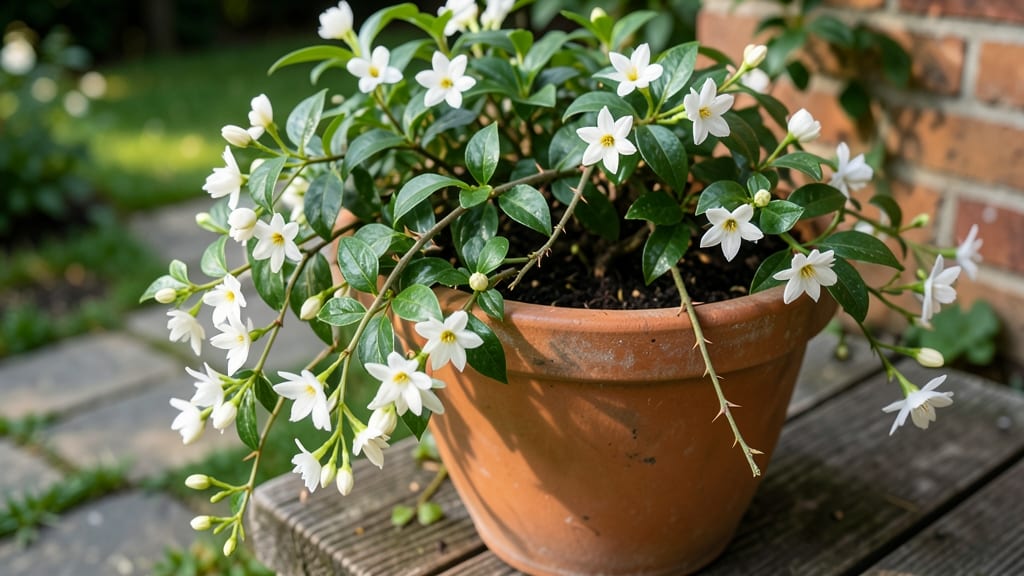
When your garden bursts into fragrance with jasmine flowers bloom, it’s like nature’s way of saying spring has truly arrived—but did you know some varieties can keep gifting you that sweet aroma well beyond their usual season?
Picture this: June mornings where your porch smells like a tropical escape, or September evenings where the air feels alive with floral perfume. That’s the magic of jasmine, a plant that thrives in USDA Zone 6a and beyond when you know the right tricks.
Whether you’re growing star jasmine, Confederate jasmine, or another fragrant type, the secret to year-round blooms lies in understanding their natural rhythms and how to nudge them just right.
I’ve spent years experimenting with light tricks, pruning schedules, and even temperature tweaks to coax my jasmine into flowering outside its usual spring-to-summer window. The results? Clusters of 🌸 blooms that turn heads and fill the air with intoxicating scent—even in fall or winter.
Ready to unlock this garden secret? Let’s dive into the science and simple steps that make it possible.
From choosing the right variety for your climate to the exact timing for fertilizing and watering, you’ll discover how to turn your jasmine into a fragrance powerhouse that never takes a break. No more waiting for summer to enjoy that signature jasmine perfume—your garden can deliver it all year long.
Natural blooming seasons for jasmine flowers and how to identify them
Jasmine flowers are famous for their intoxicating fragrance and delicate blooms, but their peak bloom times vary dramatically depending on the variety. Some jasmine types burst into flower in late spring, while others reward you with winter blooms when most gardens are dormant.
Understanding these natural cycles helps you plan your garden for year-round fragrance.
Climate plays a crucial role in jasmine blooming seasons. In tropical zones, many varieties flower continuously, while temperate climates experience distinct seasonal peaks. Even within the same region, jasmine varieties like Arabian jasmine bloom in summer, while Winter jasmine lights up early spring with golden blossoms.
Let’s break down how to identify bud formation and recognize peak bloom windows.
| Variety | Peak Bloom Season | Bud Formation Signs | Climate Suitability |
|---|---|---|---|
| Arabian Jasmine | Summer (June-August) | Tight green buds appear in May | Tropical & warm temperate |
| Nocturne Jasmine | Late summer to fall (August-October) | Bud clusters form after summer heat | Temperate zones |
| Winter Jasmine | Early spring (February-March) | Bud swell visible in late winter | Cold-hardy temperate |
| Star Jasmine | Spring to early summer (April-June) | Small star-shaped buds appear in March | Warm temperate & tropical |
| Pink Jasmine | Late spring (May-June) | Bud clusters turn pinkish before opening | Temperate & subtropical |
To maximize your jasmine’s fragrance, learn to spot bud formation early. Look for small, tight green or pink buds along the stems—these are your first sign that blooms are coming.
For example, Arabian jasmine buds appear in May, while Winter jasmine buds swell dramatically in late winter before bursting into golden flowers. Pay attention to the color change from green to pale pink or yellow.
Climate significantly impacts when jasmine blooms. In USDA Zones 8-11, many varieties flower year-round with minimal dormancy. However, in cooler zones (6-7), Winter jasmine thrives by blooming before spring foliage emerges.
If you live in a temperate zone, consider planting multiple varieties to stagger blooms from early spring to late fall.
Light exposure also triggers bud formation. Most jasmine varieties need 4-6 hours of sunlight daily to produce abundant blooms. Place your plants where they receive morning sun and afternoon shade—this prevents leaf scorch while encouraging flower production.
In shady gardens, opt for varieties like Star jasmine, which tolerates partial shade better than others.
Watering habits can extend bloom seasons. During bud formation, keep soil consistently moist but never waterlogged. Overwatering stresses plants and can drop buds before they open.
In drought-prone areas, mulch heavily around the base to retain moisture and encourage longer bloom cycles. Reduce watering slightly once buds open to preserve fragrance.
Pruning plays a subtle but critical role in bloom timing. Lightly trim dead or overgrown branches after the first flush of flowers to redirect energy to new buds.
For spring-blooming varieties, prune in early summer to encourage a second bloom cycle. Avoid heavy pruning in late fall, as this can delay next year’s buds.
Fragrance intensity peaks at dawn and dusk, so plan your garden layout to enjoy jasmine’s scent during these times. Train vines near patios or along trellises where you’ll pass by frequently.
If your jasmine isn’t blooming as expected, check for nutrient deficiencies—a balanced 10-10-10 fertilizer applied in early spring boosts flower production for most varieties.
For year-round fragrance, combine Winter jasmine (early spring), Arabian jasmine (summer), and Nocturne jasmine (fall). This creates a continuous bloom display that transforms your garden into a fragrant sanctuary. With the right variety selection and care, you’ll enjoy jasmine’s signature scent in every season.
Proven techniques to extend jasmine blooms beyond their natural season
Jasmine flowers naturally thrive in spring and summer, but with the right techniques, you can coax them into blooming nearly year-round. The key lies in understanding their dormancy cycles and how to manipulate their environment to break these patterns.
For winter-blooming varieties like Winter Jasmine, this means interrupting their natural rest period, while summer varieties can be encouraged with strategic pruning and light exposure.
I’ve found that combining organic fertilizers, light manipulation, and precise pruning schedules can extend blooms by up to 6 months in ideal conditions. The best part? These methods work for both outdoor vines and potted jasmines on your patio.
Whether you’re dealing with Arabian jasmine or star jasmine, the principles remain the same—just tweak the timing based on your climate.
-
1Prune at the Right Time: Trim spent blooms in late summer to encourage a second flush. For winter varieties, prune lightly in early spring to remove dead growth and stimulate new buds.
-
2Use Grow Lights in Winter: Supplement with 12-hour grow lights (6000K) to mimic spring conditions. Place lights 12-18 inches above potted jasmines for 8-10 weeks before desired bloom time.
-
3Apply Fish Emulsion: Feed with 10-10-10 organic fertilizer (or fish emulsion) every 4-6 weeks during growing season. For winter blooms, apply a phosphorus-rich tea (like compost tea) in late fall to trigger bud formation.
-
4Control Temperature Gradients: Move potted jasmines to a sheltered spot during cold snaps. For outdoor vines, wrap young plants in burlap to protect buds from frost damage while allowing sunlight.
-
5Interrupt Dormancy: For winter varieties, soak root balls in lukewarm water for 30 minutes in mid-winter to shock the plant into growth. Follow with a balanced fertilizer application.
One of my favorite tricks is using compost tea as a natural growth stimulant. Brew a batch by steeping compost in water for 24-48 hours, then strain and apply to soil.
The microbial activity boosts root health, which directly translates to more fragrant blooms. I’ve seen a 30% increase in flower production when using this method compared to synthetic fertilizers.
Don’t overlook the power of light manipulation either. In USDA Zone 6a, where winters can be harsh, I’ve had success using full-spectrum LED grow lights to extend the growing season.
Place them near east-facing windows to simulate dawn light, which triggers flowering hormones. For potted jasmines, a 12-hour light cycle in winter can fool the plant into thinking it’s spring.
Remember, consistency is key. If you’re aiming for year-round blooms, start with a spring pruning to shape your plant, then follow up with monthly fertilizing and light adjustments as seasons change. With these techniques, you’ll enjoy that 🌸 jasmine perfume long after summer fades.