
Blooming
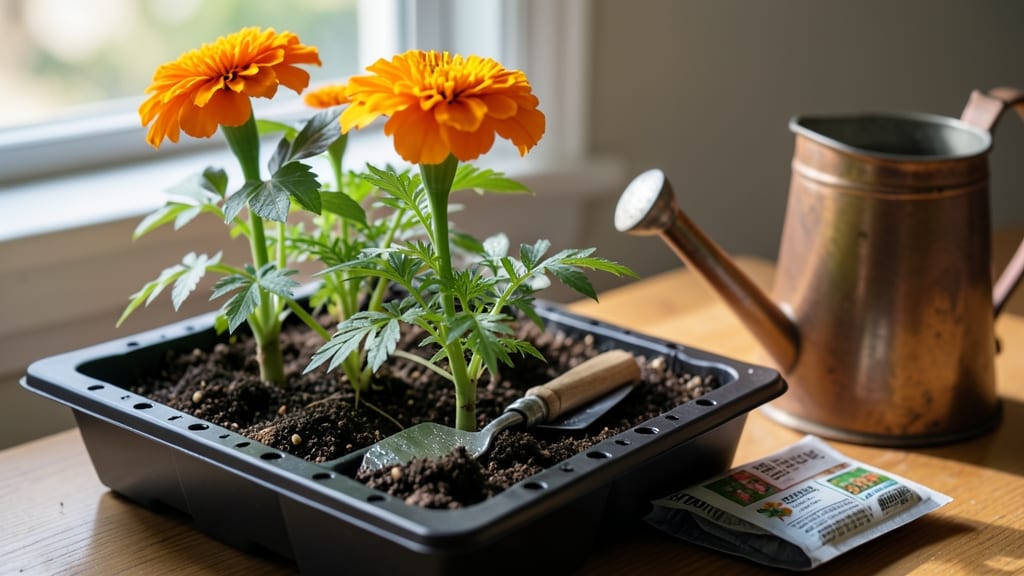
To know exactly when those first 🌸 green shoots will appear, you need to understand how long different flowers take to sprout—and trust me, the wait can feel like forever if you're not prepared.
Some varieties burst through the soil in just 5 days, while others might keep you guessing for weeks, leaving you second-guessing your planting timing.
I’ve tested countless flower seeds, from speedy annuals like marigolds to patient perennials like delphiniums, and the differences are staggering.
Whether you’re a first-time gardener or a seasoned pro, knowing these timelines helps you plan your garden layout, adjust your watering schedule, and avoid the frustration of waiting too long for results.
In this guide, I’ll break down the exact sprouting windows for popular flowers, plus the hidden factors—like soil temperature and moisture—that can speed up or slow down germination. You’ll also discover pro tips to cut your wait time by nearly half, so you can enjoy blooms faster than ever.
Ready to turn your garden into a vibrant paradise without the guesswork? Let’s dive into the science behind sprouting so you can start planting with confidence.
Fastest-sprouting flowers: blooms in weeks not months
If you're eager to see colorful blooms without waiting months, focus on fast-sprouting annuals that break through soil in just 5–14 days. These quick-germinating flowers are perfect for impatient gardeners who want instant gratification.
The secret? Ideal soil temperatures (60–85°F) and proper moisture balance. Let’s dive into the top performers and how to coax them out faster.
Some flowers like marigolds and cosmos sprout in as little as 3–5 days under perfect conditions. Others, such as zinnias and sunflowers, take slightly longer but still reward you with visible sprouts within 7–10 days.
The key is understanding their unique needs—whether it’s light vs. dark germination or seed scarification for tough coats.
For marigolds, the fastest sprouters, aim for warm soil temperatures (above 70°F) and direct sunlight. These bright orange and yellow blooms not only pop up quickly but also deter pests like aphids.
I’ve seen French marigolds sprout in just 3 days when planted in late spring after the soil warms up.
If you’re growing cosmos, embrace their self-seeding habit—they often sprout on their own in subsequent years. These drought-tolerant beauties thrive in poor soil and love full sun exposure. For best results, plant them after the last frost when nighttime temperatures stay above 50°F.
Zinnias are another crowd-pleaser, offering bold colors and long-lasting blooms. Their large seeds make them easy to handle, and they germinate reliably in 7–10 days when kept consistently moist. Pro tip: Pinch back young plants to encourage bushier growth and more flowers.
Don’t overlook sunflowers, which can sprout in 7–14 days depending on the variety. Giant sunflowers like 'Mammoth' take slightly longer, but dwarf varieties like 'Teddy Bear' often sprout faster. Soak seeds overnight in warm water to break dormancy and speed up the process.
For nasturtiums, a cool-season favorite, plant seeds early in spring or late summer for fall blooms. These edible flowers (yes, you can eat them!) sprout in 5–10 days and thrive in partial shade, making them perfect for underplanting taller flowers or adding color to shady spots.
To maximize your chances of fast germination, always test soil moisture before planting. Stick your finger an inch into the soil—if it’s dry, water gently before sowing. Overwatering can drown seeds or cause them to rot, so aim for consistent moisture rather than soggy conditions.
Finally, remember that seed freshness matters. Older seeds (over 1–2 years) may take longer to sprout or fail entirely. Store seeds in a cool, dry place and label them with the purchase date to track their viability. With these tips, you’ll have colorful blooms in weeks, not months!
Slow-germinating flowers: patience-paying varieties explained
If you’ve ever planted foxgloves or delphiniums only to stare at empty soil for weeks, you’re not alone. Some of the most stunning flowers take their sweet time sprouting—sometimes 2–6 weeks—leaving gardeners questioning their patience (and their seeds).
These slow starters often have complex germination needs, like cold stratification or deep soil moisture, that can throw off even the most experienced growers.
I’ve grown snapdragons, larkspur, and hollyhocks for years, and I can tell you: the wait is worth it. But knowing why these flowers dawdle—and how to troubleshoot delays—is the key to success.
Let’s dig into the science (and secrets) behind these patience-paying varieties so you can transform your garden into a showstopper without the frustration.
⚠️ callout-warning
Flowers like foxgloves and delphiniums often take 3–6 weeks to sprout, but old seeds or cold soil can double that time. If your seeds haven’t sprouted in 8 weeks, they’re likely non-viable. Test soil temperature—ideal germination range is 60–75°F. For stubborn seeds, try pre-soaking or warmth mats to kickstart growth.
The secret to growing these slow-germinating beauties lies in three critical factors: soil temperature, moisture consistency, and seed freshness. For example, foxgloves thrive in cool soil (50–60°F), while snapdragons prefer warmth (70°F+).
If your soil is too hot or dry, germination can stall for weeks. I once waited 5 weeks for larkspur seeds to sprout because I planted them in full sun without proper moisture—until I moved them to partial shade and adjusted my watering.
Another common mistake? Using old seeds. Delphinium seeds lose viability after 2 years, while foxglove seeds can stay fresh for 3–4 years if stored properly in a cool, dry place.
Always check the packaging date—if it’s older than 1 year, consider fresher stock. I’ve had 3-year-old foxglove seeds sprout, but they took 6 weeks instead of the usual 3–4 weeks.
To speed up germination, try these proven tricks:
- Pre-soak seeds overnight in lukewarm water (great for snapdragons).
- Use a seedling heat mat to maintain 70–75°F soil.
- Cover seeds with 1/4-inch fine soil—too deep, and they’ll struggle.
Once your slow starters finally break through, they’ll reward you with tall, dramatic blooms that outshine fast-growing annuals. Delphiniums can reach 4–6 feet, while foxgloves add whimsical height to cottage gardens.
The key is patience—and knowing exactly when to troubleshoot. With these tips, you’ll go from empty soil to stunning stems in no time.
Now that you’re armed with the right knowledge, which slow-germinating flower will you try first? My vote? Foxgloves—they’re worth every second of the wait! 🌷