
Flowers
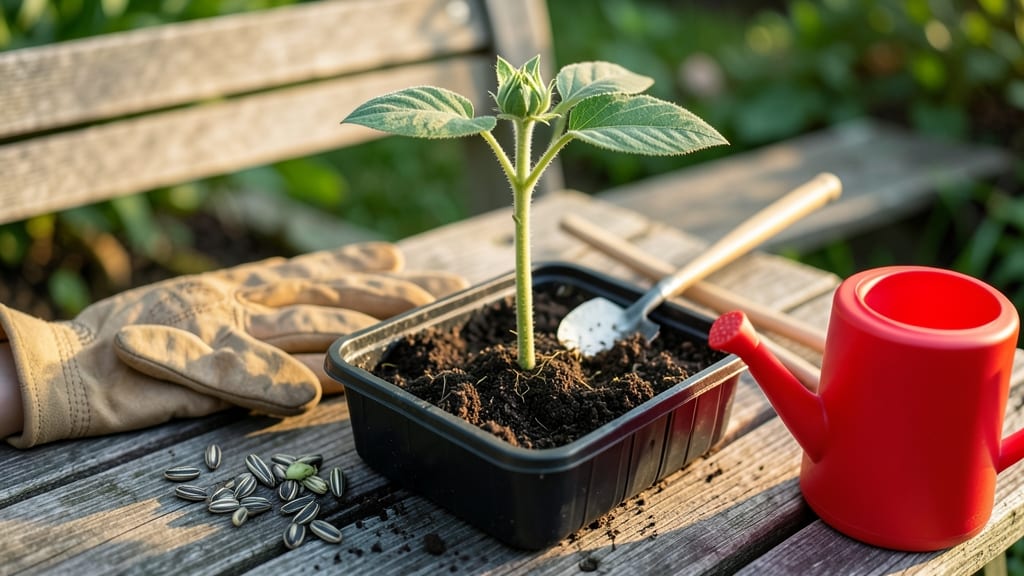
If you're planting sunflowers this spring and wondering how long it takes them to sprout, the answer might surprise you—especially if you're used to slower-growing flowers.
Most sunflower varieties break through the soil in just 3 to 14 days under ideal conditions, though cooler temperatures or poor soil can stretch that timeline. The key is patience paired with the right prep, because those first 🌻 shoots popping up signal the start of a rewarding growing season.
Why does sprouting time vary so much? It all comes down to seed quality, soil warmth, and moisture levels. For example, dwarf varieties like Teddy Bear often sprout faster—sometimes in as little as 3 days—while giant varieties might take closer to 2 weeks.
If your soil is below 50°F, germination can stall entirely, which is why timing your planting after the last frost (around April 15 in Zone 6a) makes all the difference.
Once those first green leaves appear, don’t expect instant towering stalks—sunflowers grow in stages. The initial cotyledons (seed leaves) will look simple, but within 2 weeks, you’ll see the true leaves forming, followed by rapid stem growth.
This is where proper spacing and sunlight become critical to avoid overcrowding, which can slow their progress even further.
Ready to speed up the process? I’ll share the top 3 factors that cut sprouting time in half—without any fancy tools or chemicals.
Whether you’re a first-time gardener or a seasoned pro, knowing these tricks can mean the difference between waiting weeks for your sunflowers to emerge or seeing them break through in record time.
Sunflower germination timeline by variety: fastest sprouting types compared
If you're eager to see those bright green sunflower sprouts push through the soil, the variety you choose makes a huge difference in germination speed. Some types pop up in just 3-5 days, while others take up to 14 days—and that delay can feel like an eternity!
Genetics play a key role, with dwarf varieties often sprouting faster than their giant cousins. Let’s break down the fastest and slowest types so you can plan your planting strategy.
For the fastest results, Teddy Bear and Autumn Beauty sunflowers typically sprout in 4-7 days under ideal conditions. These compact varieties are bred for quick germination, making them perfect for impatient gardeners or late-season plantings.
Meanwhile, Mammoth and Russian Giant varieties can take 7-14 days to sprout, thanks to their larger seed size and slower metabolic start. Understanding these differences helps you set realistic expectations and troubleshoot delays.
🌱
Notice how dwarf varieties like Teddy Bear and Sunspot consistently sprout faster than their taller counterparts? This isn’t just coincidence—it’s genetic programming. Smaller sunflowers prioritize quick germination to establish roots before putting energy into height.
Meanwhile, giant varieties like Russian Giant invest more time in developing larger seeds, which naturally slows their initial growth. If you’re growing sunflowers for cut flowers or containers, prioritize faster-sprouting types to enjoy blooms sooner.
Planting depth also impacts germination speed. Most sunflower seeds should be sown 1 inch deep, but giant varieties like Russian Giant benefit from 1.5 inches of depth to protect their larger seeds from drying out.
Over-planting seeds ½ inch too deep can delay sprouting by 3-5 days, while seeds planted too shallowly may dry out before germinating. Use your finger to create a small furrow, place the seeds, and gently cover them—this consistency is key for predictable results.
💧
Soil temperature is another critical factor that interacts with variety. While Teddy Bear sunflowers might sprout in 4 days at 75°F soil, the same seeds could take 10 days in
How soil temperature affects sunflower sprouting speed (with critical thresholds)
Sunflower seeds are surprisingly sensitive to soil temperature, and this single factor can cut your sprouting time in half—or delay it for weeks. When soil stays between 70°F and 90°F, most sunflower varieties break through the soil in just 3 to 7 days.
But drop below 50°F, and germination can stall entirely, leaving you staring at empty soil for weeks.
This isn’t just theory—it’s why gardeners in Zone 6a often plant sunflowers after April 15, when soil temperatures finally climb above 60°F. If you’re eager to start earlier, you’ll need to use tools like heat mats or cold frames to create the ideal environment.
Without them, cool spring mornings can turn your impatient wait into a frustrating delay.
For the fastest results, aim for 70°F to 90°F—this is the sweet spot where sunflower seeds absorb moisture and activate enzymes needed to break through the shell. At 95°F or higher, seeds can dry out too quickly, leading to poor germination.
Meanwhile, temperatures below 50°F slow metabolic activity, forcing seeds into a dormant state until conditions improve.
If you’re in a cooler climate, like the Pacific Northwest or northern Midwest, try using a heat mat ($20–$30) under seed trays to maintain 75°F soil temps. For outdoor planting, a cold frame can add 10–15°F of warmth, making all the difference in early spring.
I’ve seen gardeners in Zone 5 use this trick to get sprouts 2 weeks earlier than their neighbors.
Real-world example: A friend in Michigan (Zone 5b) planted sunflower seeds in late April when soil temps hovered around 55°F. After 3 weeks of no sprouts, she moved the tray to a sunny windowsill with a heat mat—sprouts appeared in 4 days.
The lesson? Soil temperature isn’t just a detail; it’s the difference between success and disappointment.
Pro tip: Use a soil thermometer ($10) to check temps before planting. If it’s below 60°F, wait a week or use a warming method. Patience here pays off—your sunflowers will thank you with faster growth and bigger blooms later in the season.