
How To
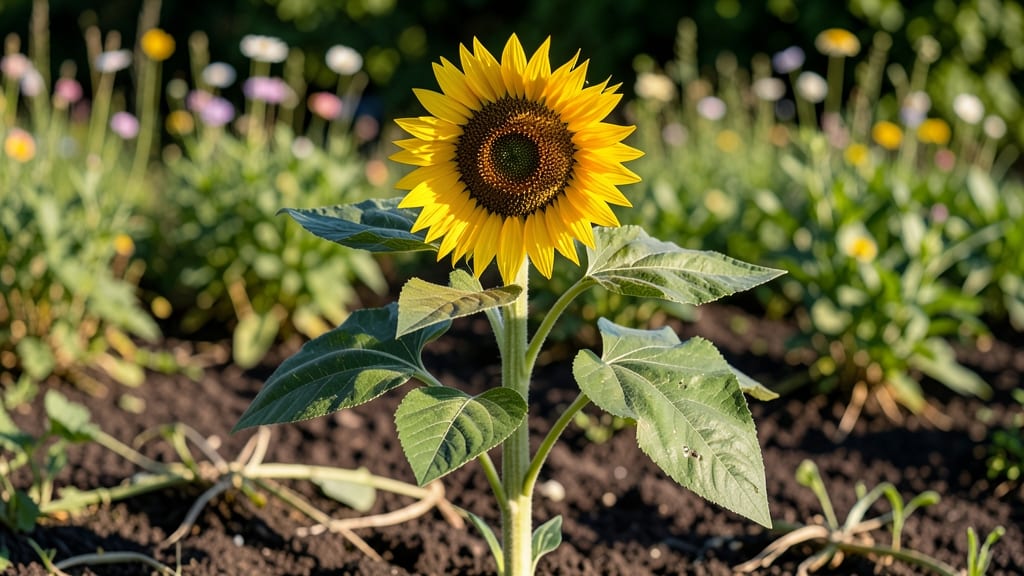
To grow those towering 🌻 sunflowers you dream of, you need to know their sunlight secret—because these giants aren’t just pretty faces in a field.
They’re sun-hungry plants that demand 6-8+ hours of direct light daily, or they’ll stretch, droop, and disappoint you with tiny blooms instead of the showstoppers you’re after.
I’ve watched my own sunflowers go from leggy, sad stalks to 6-foot giants just by tweaking their light exposure. The difference is night and day—literally.
Whether you’re planting in Zone 6a or a container on your balcony, getting this right is the key to those massive, cheerful blooms you’ve always wanted.
But here’s the thing: sunflowers can handle more than most plants, and knowing the signs of too little (or even too much!) sunlight will save you from wasted effort.
Let me show you exactly how to give your sunflowers the perfect light dose—so you can enjoy those July-September harvests without the guesswork.
From spotting the first hints of sunlight stress to adjusting for partial shade, I’ll walk you through everything you need to keep your sunflowers thriving. Ready to grow sunflowers that steal the show? Let’s dive in.

Sunflower sunlight requirements: the ideal daily light exposure for maximum growth
Sunflowers are sunlight powerhouses, and their growth stages dictate how much light they need to reach their full potential. From delicate seedlings to towering blooms, each phase has specific sunlight thresholds that determine whether your plants will thrive or struggle.
Understanding these requirements is the first step to growing sunflowers that reach 10-15 feet tall with vibrant, oil-rich blooms.
If you've ever planted sunflowers only to watch them stretch toward the sky with leggy stems and tiny blooms, you’re not alone. This happens when seedlings don’t get enough light early on, setting them up for a lifetime of struggles.
But don’t worry—I’ll break down exactly how much sunlight sunflowers need at every stage, so you can avoid these common pitfalls and grow sunflowers that steal the show in your garden.
Sunflowers require 6-8+ hours of direct sunlight daily for optimal growth, but their needs shift as they mature. Seedlings can handle 4-6 hours of light initially, while flowering plants demand full sun exposure to produce large, high-quality blooms. Even mature sunflowers benefit from 10+ hours of sunlight in extreme growing conditions to maximize oil content and seed production.
During the seedling stage (0-4 weeks), sunflowers can tolerate 4-6 hours of sunlight, but this is the most critical time to prevent leggy growth.
I’ve found that using a grow light for 12-14 hours daily during this phase can make all the difference, especially if you’re starting seeds indoors or in low-light conditions.
Without enough light, seedlings will stretch toward any available light source, weakening their stems and making them prone to toppling over later.
Once sunflowers reach the vegetative stage (4-8 weeks), their sunlight needs increase to 6-8 hours daily. This is when they begin rapid height growth, and providing full sun ensures they develop strong, sturdy stems capable of supporting those massive blooms.
In my garden, I’ve noticed that sunflowers in partial shade during this phase often grow 2-3 feet shorter than their fully sun-exposed counterparts, with noticeably smaller leaves.
The flowering stage (8-12 weeks) is where sunflowers demand the most sunlight—8-10+ hours daily. This is non-negotiable if you want those showstopping blooms you’re dreaming of. Sunflowers use this extra light to produce larger flower heads and higher oil content in their seeds.
I once grew a 12-foot sunflower in full sun, and its bloom was nearly 18 inches wide, while a nearby plant in partial shade only reached 6 feet tall with a 10-inch bloom. The difference was staggering!
Even at maturity (12+ weeks), sunflowers benefit from 6-8+ hours of sunlight, though their needs shift slightly. At this point, they’re focused on seed production and oil development, so maintaining consistent light exposure ensures the highest quality harvest.
If you’re growing sunflowers for culinary or birdseed purposes, prioritizing full sun during this stage will give you the best results. In my experience, sunflowers in partial shade during maturity often produce smaller, lighter seeds with lower oil content.
Partial shade can have a dramatic effect on sunflower development, especially if it’s prolonged or dense. While sunflowers are more tolerant of shade than many plants, they’ll still show signs of stress, such as yellowing leaves, smaller blooms, and reduced seed production.
If you’re growing sunflowers in an area with morning sun and afternoon shade, they can still thrive, but their growth will be slower. For the best results, aim to provide at least 6 hours of direct sunlight, even if it’s not all-day exposure.
One common mistake gardeners make is assuming that any shade is acceptable as long as the sunflowers get some light. But dappled shade or filtered light from trees can still limit growth.
For example, if your sunflowers are growing under fruit trees, they might get enough light to survive but won’t reach their full potential. To maximize growth, I recommend rotating containers or thinning nearby plants to
Signs your sunflowers aren’t getting enough sun (and how to fix it)
Your sunflowers might be sending you SOS signals if they’re not getting enough light. One of the first red flags is leggy stems—those thin, stretched-out stalks reaching desperately toward any available light.
I’ve seen my own plants grow 3 feet tall but produce blooms no bigger than a quarter when they’re light-deprived.
Another telltale sign is small, sparse blooms or flowers that never fully open. Even worse, the leaves may start yellowing between the veins, a classic sign of chlorosis caused by insufficient energy from sunlight.
If your sunflowers are looking more like weedy stalks than the towering beauties you planted, it’s time to investigate their light situation.
🌱
⚠️ How Much Sunlight Does a Sunflower Need?
Minimum: 6 hours of direct sunlight daily (for survival)
Ideal: 8+ hours of full sun (for maximum growth and blooms)
Critical: South-facing exposure gets the most intense light in Zone 6a
Sunflowers are heliotropic—they follow the sun! Without enough light, they’ll grow weak and unproductive.
If you’re growing sunflowers in containers or urban spaces, their light needs become even more critical. A 5-gallon pot limits root growth, so you’ll need to place them where they get unobstructed sunlight from morning until afternoon.
I’ve had success moving containers to follow the sun’s arc as it shifts throughout the day.
For gardeners in partial shade, consider companion planting taller sun-loving plants like corn or marigolds nearby to create a microclimate with better light exposure. Even a 1-foot difference in height can mean the difference between 6 hours and 4 hours of direct light.
Don’t forget to check for seasonal adjustments. In early spring or late summer, when the sun is lower in the sky, your sunflowers might need reflective surfaces like white walls or mulch to bounce extra light onto their leaves.
A simple trick I use is placing a mirror behind struggling plants to double their light exposure.
Finally, if your sunflowers are already showing signs of light deprivation, don’t panic—you can still turn things around. Prune back the leggy stems to encourage bushier growth, and fertilize lightly with a balanced 10-10-10 mix to support recovery.
With the right adjustments, you’ll see those cheerful blooms return in no time.
☀️