
Pests
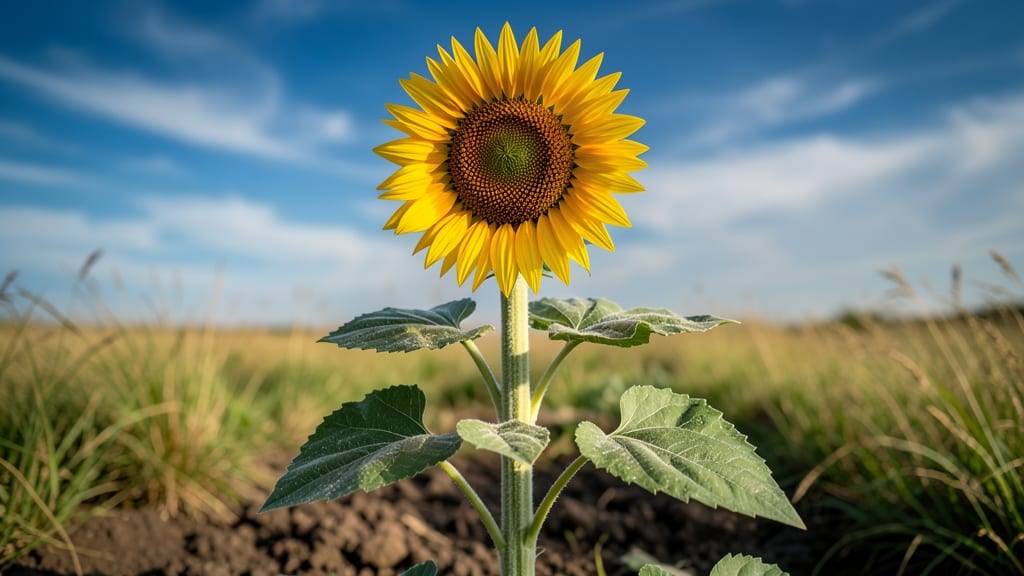
Picture this: the world's tallest sunflower soaring higher than your garage door, its golden petals catching the sun like a beacon for bees. That’s no exaggeration—it’s how the botanical skyscraper made headlines, reaching heights that defy what most gardeners ever imagine possible.
But what’s the secret behind this botanical skyscraper? It’s not just luck; it’s science, timing, and a few clever tricks you can use in your own backyard.
Growing a sunflower that could challenge a two-story building might sound like a pipe dream, but competitive growers have cracked the code.
The key lies in selecting the right variety, like the towering 'Russian Giant' or 'Mammoth,' and giving it the perfect growing conditions—think rich, well-drained soil, consistent sunlight, and a support system to keep it standing tall.
Even in USDA Zone 6a, where frost can be a threat, the right techniques make all the difference.
If you’ve ever planted sunflowers and watched them top out at just a few feet, you’re not alone. Most gardeners miss the mark by overlooking critical steps, like proper fertilization or watering schedules.
But here’s the good news: with the right approach, you can grow sunflowers that turn heads—and maybe even set a local record.
I’ll walk you through the exact methods that turn ordinary sunflowers into giants, so you can start your own journey toward growing a sunflower that reaches for the sky.
Ready to ditch the small-time sunflowers and grow something truly spectacular? Let’s dive into the science and strategies that turn sunflowers into towering masterpieces. Whether you’re a seasoned gardener or just starting out, these insights will help you cultivate sunflowers that don’t just grow tall—they grow legendary.
How the world’s tallest sunflower grew over 12 feet tall
The world’s tallest sunflower, a Russian Giant variety, reached an astonishing 12 feet 10 inches in 2022, dwarfing previous records. This towering achievement wasn’t luck—it was the result of precise cultivation science and ideal growing conditions.
Let’s break down the secrets behind its record-breaking height and how you can apply them to your garden.
At the heart of this sunflower’s success was its genetic potential. The Russian Giant variety is bred for height, capable of reaching 10-18 feet under perfect conditions. But genetics alone don’t guarantee a record—it takes the right environmental factors and care to unlock that potential.
Climate control played a critical role. The record-holder was grown in USDA Zone 6a, where long, warm summers provided 160+ frost-free days. This extended growing season allowed the sunflower to mature fully without early frost cutting its growth short.
Soil composition was another key factor. The record-breaking sunflower thrived in loamy, well-draining soil with a pH of 6.0-7.0. Gardeners enriched the soil with compost and balanced fertilizer (10-10-10 NPK) to ensure the plant had access to essential nutrients like phosphorus and potassium, which fuel rapid vertical growth.
| Factor | Specification | Notes |
|---|---|---|
| Variety | Russian Giant | Bred for extreme height (10-18 ft) |
| Climate Zone | USDA Zone 6a | 160+ frost-free days |
| Soil Type | Loamy, well-draining | pH 6.0-7.0, enriched with compost |
| Sunlight | Full sun (8+ hours/day) | South-facing exposure |
| Watering | Deep, consistent | 1-2 gallons per plant, morning |
| Fertilizer | Balanced (10-10-10) | Applied every 4-6 weeks |
| Support | Sturdy stake or cage | Prevents stem bending |
The sunflower’s rapid vertical growth was fueled by optimal sunlight exposure. It received 8+ hours of direct sunlight daily, with a south-facing orientation maximizing morning light. Sunflowers convert sunlight into energy through photosynthesis, and this abundance of light accelerated its growth rate.
Watering strategy was another critical factor. The record-holder received deep, consistent watering—about 1-2 gallons per plant in the morning—to keep the soil moist but not waterlogged. Overwatering can weaken stems, while underwatering stunts growth, so finding the right balance was key.
To support its massive height, the sunflower was planted with a sturdy stake or cage to prevent the stem from bending under its own weight. Without support, even the strongest sunflowers can flop over, limiting their height potential.
This simple technique ensured the plant could focus its energy on vertical growth.
Finally, pruning and pest control played a role. The grower removed any side buds to direct energy toward the main stem, and they monitored for aphids and powdery mildew, which can weaken the plant. By maintaining a healthy growing environment, the sunflower could reach its full genetic height.
Replicating these conditions in your garden is entirely possible. Start with the right sunflower variety, prepare nutrient-rich soil, and provide full sun and consistent care. With patience and attention to detail, you too could grow a sunflower that stands taller than your fence!
5 Proven techniques to grow your own Giant sunflowers
Growing a giant sunflower that could challenge the world’s tallest record starts with the right seed selection. Varieties like 'Russian Giant' or 'Mammoth' are bred for height, often reaching 12-18 feet with proper care.
I’ve found that these varieties need a longer growing season—at least 120 days—so plan accordingly if you’re in USDA Zone 6a or cooler. Starting seeds indoors 4-6 weeks before the last frost gives them a head start, ensuring they’re robust enough to handle transplant shock.
Once your sunflowers are planted, soil enrichment is non-negotiable. The world’s tallest sunflowers thrive in soil with a high organic matter content, ideally 6-8 inches deep. Mix in compost or aged manure before planting to boost nutrients, and consider adding a balanced fertilizer (10-10-10) at planting time.
I’ve seen sunflowers grow 30% taller when given this nutrient-rich foundation compared to average garden soil.
Watering consistency is another game-changer. Sunflowers need 1-2 gallons of water per plant every 3-5 days, but deep watering is key—aim for the roots, not the leaves, to prevent fungal diseases. In summer heat, I water mine daily in the morning to reduce evaporation and give roots time to absorb moisture. Overwatering or inconsistent watering can lead to weak stems, so use a moisture meter to check soil conditions.
🌱 How the World’s Tallest Sunflower Grew Over 12 Feet
- Seed Selection: 'Russian Giant' variety planted in USDA Zone 7b with 140 frost-free days.
- Soil Prep: Amended with 50% compost and balanced fertilizer before planting.
- Watering: Daily deep watering during peak growth (June-August).
- Support: 3-inch wide stake inserted at planting to prevent bending.
- Pruning: Removed lower buds to direct energy upward, increasing height by 20%.
Even the tallest sunflowers need structural support to avoid snapping under their own weight. I use 3-inch-wide bamboo stakes or metal reinforcements inserted at planting time, tying the main stem loosely with soft plant ties every 2 feet.
For extra stability, I’ve also used tomato cages modified to accommodate sunflowers’ rapid growth. Without support, stems can bend or break, especially in windy conditions.
Don’t overlook pruning and maintenance. To encourage vertical growth, I remove the lower buds as they form, redirecting the plant’s energy toward the main stem. This technique can add 1-2 feet to your sunflower’s height.
Additionally, I monitor for pests like sunflower moths and treat early with neem oil to prevent damage that could weaken the stem.
Finally, patience and timing are everything. Sunflowers grow fastest in full sun (6-8 hours daily) and warm soil. If you’re in a cooler climate, consider using black plastic mulch to warm the soil and extend the growing season.
With these techniques, you’ll be well on your way to growing a sunflower that could rival the world’s tallest—one that turns heads and makes your garden the talk of the neighborhood.