
Size
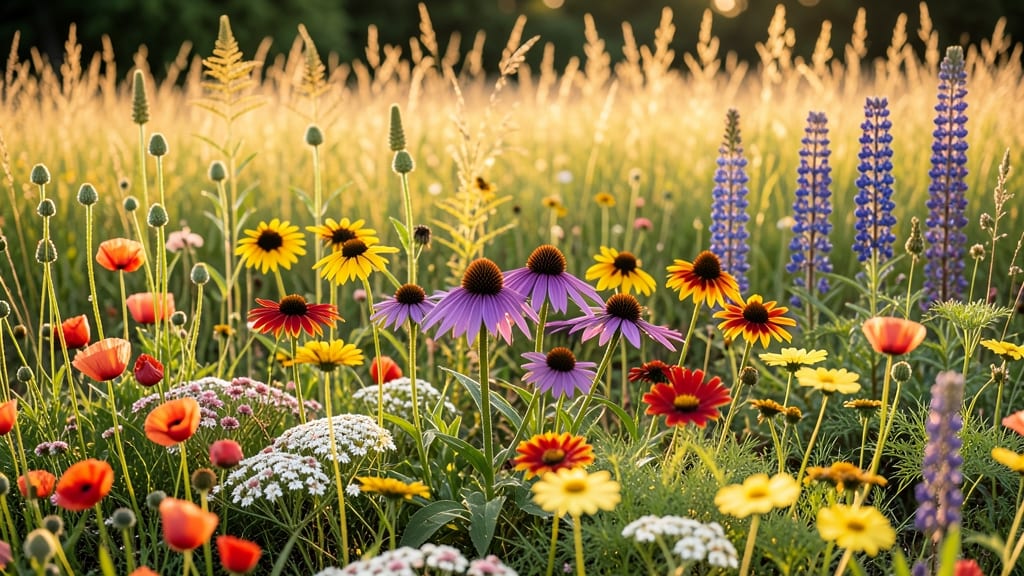
Wondering how tall your wildflowers 🌼 will grow before they burst into bloom? The answer isn’t one-size-fits-all—some varieties stay low and sweet, while others shoot up like sky-high fireworks, transforming your garden into a living tapestry.
From delicate 6-inch blooms that spill over container edges to 6-foot sunflowers that command attention, height plays a starring role in design. Whether you’re crafting a cozy pollinator patch or a dramatic backyard border, knowing these ranges helps you avoid overcrowding and maximize beauty.
I’ll break down the most popular wildflowers by their mature heights, so you can mix and match with confidence. You’ll discover which varieties thrive in tight spaces and which need room to stretch their legs—plus, how to support them when they reach for the sky.
Ready to plan your dream garden? Let’s dive into the height guide that’ll help your wildflowers shine—no guesswork required.


Wildflower height ranges by growth habit: short vs tall varieties
Designing a wildflower garden starts with understanding height ranges—because the wrong mix can turn your dream meadow into a chaotic jungle. Ground covers stay under 12 inches, while focal-point varieties can soar to 6 feet or taller.
Knowing these categories helps you create layers that frame your space beautifully while supporting pollinators at every level.
Short wildflowers thrive in rock gardens, container plantings, or as edging along pathways. They often bloom early, providing season-long color without overwhelming smaller spaces. Meanwhile, taller varieties create vertical drama and attract hummingbirds and bees to the upper reaches of your garden.
Here’s how to match wildflower heights to your garden’s needs, including sun exposure and soil preferences for each group:
| Height Category | Examples | Sun Needs | Soil Preference | Best For |
|---|---|---|---|---|
| Ground Covers (6–12") | Creeping Phlox, Alyssum, Baby’s Breath | Full sun to part shade | Well-draining, sandy loam | Rock gardens, containers, borders |
| Border Plants (12–36") | Black-Eyed Susan, Coneflower, Blanket Flower | Full sun (6+ hours) | Adaptable; tolerates clay | Mixed borders, pollinator gardens |
| Focal Points (36–72"+) | Sunflowers, Giant Fleabane, Joe-Pye Weed | Full sun (minimum 6 hours) | Moist, fertile soil | Backyard focal points, cut flowers |
For ground covers, prioritize drought-tolerant varieties like creeping thyme or wild strawberry, which thrive in poor soil and low-maintenance conditions. These are perfect for sloped areas where erosion control is a concern. Their low height also makes them ideal for container gardens on patios or balconies.
When planting border plants like coneflowers or black-eyed Susans, space them 18–24 inches apart to allow airflow and prevent disease. These medium-height varieties excel in native plant gardens and pair beautifully with butterfly-attracting plants like milkweed. Their deep root systems also help suppress weeds naturally.
Tall wildflowers need sturdy stems and supportive planting. Place them at the back of borders or in island beds where they won’t block sunlight from shorter plants. For varieties like sunflowers, which can reach 10 feet, mix in ornamental grasses to provide wind resistance and add texture.
Soil moisture plays a critical role in height development. Overwatering can cause leggy growth in tall varieties, while underwatering stunts even the hardiest ground covers. Test your soil’s drainage before planting—most wildflowers prefer well-draining soil, but moisture-loving types like Joe-Pye weed thrive in wet meadows.
Pro tip: Group wildflowers by height in odd-numbered clusters (3, 5, or 7 plants) to create natural-looking drifts. This technique not only enhances visual appeal but also maximizes pollinator access.
For example, plant 3-foot-tall coneflowers in groups of 5 surrounded by 1-foot-tall alyssum for a layered effect that blooms from spring to fall.
Remember that annual wildflowers often grow taller in their first year than perennials do in three years. If you’re designing a first-year garden, prioritize short-lived perennials like lupines (1–3 feet) to avoid overcrowding. For long-term gardens, mix slow-growing perennials with fast-growing annuals to maintain balance.
🌼
Best wildflowers for small gardens: compact varieties under 3 feet
If you love wildflowers but have limited space, don’t worry—there are plenty of stunning varieties that stay under 3 feet tall. These compact beauties thrive in containers, rock gardens, and tight spaces while attracting pollinators and adding vibrant color.
Whether you're working with a balcony planter or a small backyard corner, these low-growing wildflowers deliver big impact with minimal fuss.
One of the biggest advantages of these varieties is their drought tolerance. Once established, many only need occasional watering, making them perfect for busy gardeners or areas with limited irrigation. Plus, their pollinator-friendly blooms ensure your garden stays alive with butterflies, bees, and hummingbirds all season long.
Here’s a curated list of the best compact wildflowers for small spaces, including their mature heights, care tips, and ideal planting scenarios:
- 🌼 Baby’s Breath (Gypsophila) – 1-2 ft | Delicate white blooms perfect for borders or containers. Thrives in full sun and well-draining soil.
- 🌻 Blanket Flower (Gaillardia) – 1-2 ft | Drought-resistant with red and yellow blooms. Ideal for rock gardens or sunny edges.
- 🌷 Sweet Alyssum (Lobularia) – 6-12 in | Fragrant white, pink, or purple flowers. Perfect for hanging baskets or window boxes.
- 🌸 Cornflower (Centaurea cyanus) – 1-2 ft | Classic blue blooms loved by bees. Self-seeds easily, making it a low-maintenance perennial.
- 🪴 Purple Coneflower (Echinacea purpurea) – 2-3 ft | Disease-resistant and pollinator magnet. Thrives in partial shade to full sun.
- 🌿 Creeping Thyme (Thymus serpyllum) – 3-6 in | Ground cover with lavender blooms. Drought-tolerant and perfect for walkway edges.
- 🌺 Calendula (Pot Marigold) – 1-2 ft | Edible flowers with bright orange petals. Attracts hoverflies and thrives in containers.
- 🌻 Black-Eyed Susan (Rudbeckia) – 1.5-3 ft | Cheerful yellow blooms that bloom late summer. Great for pollinator gardens.
- 💧 Lavender (Lavandula) – 1-2 ft | Fragrant and drought-resistant. Perfect for rock gardens or container edges.
- 🌷 Cosmos (Cosmos bipinnatus) – 2-3 ft | Airy pink or white blooms that self-seed easily. Thrives in poor soil and full sun.
When planting these wildflowers in small spaces, prioritize well-draining soil and full sun exposure for most varieties. For containers, choose pots with drainage holes and mix in compost to retain moisture while preventing root rot.
Group taller varieties like Black-Eyed Susan at the back of containers or borders to avoid overcrowding.
With these compact wildflowers, you can create a pollinator paradise without sacrificing space. Their low maintenance and vibrant blooms make them ideal for urban gardens, balconies, or even small backyard plots. Start with a few favorites and watch your tiny garden burst to life! 🌱