
Flowers
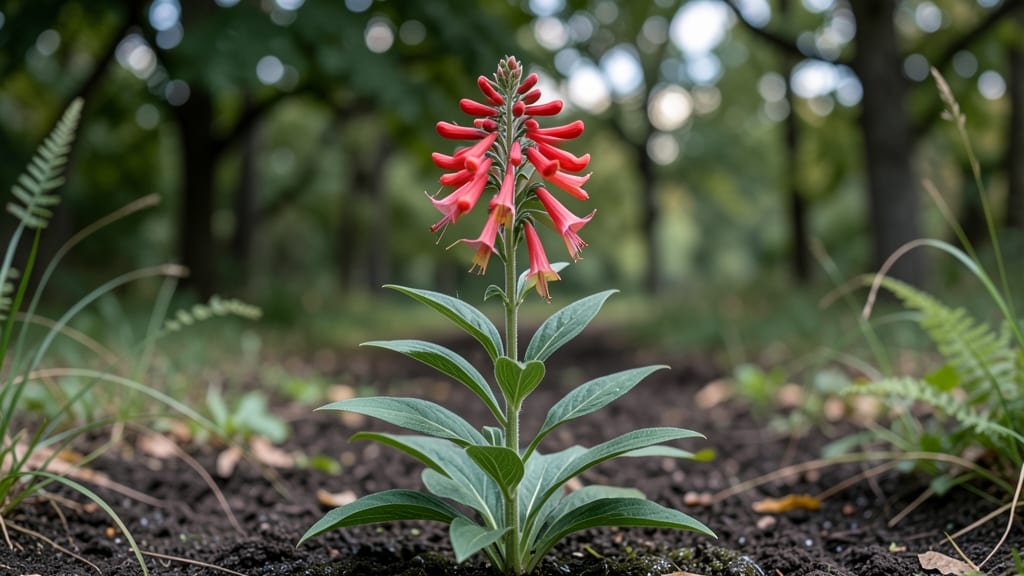
Wondering how tall does the cardinal flower grow before it steals the show in your garden? This striking perennial can reach anywhere from 2 to 5 feet—but its height depends on more than just genetics.
If you're planning your garden layout in USDA Zone 6a, knowing the right spacing and growing conditions is key. Too little room, and your plants will compete for sunlight; too much, and you’ll waste space. Let’s break down exactly what to expect from this vibrant beauty.
From the first spring planting in April to its peak bloom in July, Cardinal Flowers grow fast—but not all varieties reach the same height. Some stay compact, while others shoot up dramatically. I’ll show you how to encourage (or control) that growth for a garden that looks intentional.
Whether you’re designing a hummingbird-friendly border or a shady woodland edge, understanding Cardinal Flower height helps you place it perfectly. Ready to learn the secrets to maximizing its stunning stature?


Cardinal flower height by variety: a complete growth chart
If you’re planning your cardinal flower garden, knowing the exact height ranges by variety helps you choose the perfect spot. These striking red blooms can vary dramatically—from compact 2-foot varieties to towering 5-foot giants. The right placement ensures your plants thrive without crowding neighbors or flopping over in storms.
Cardinal flowers (Lobelia cardinalis and hybrids) grow fastest in USDA Zone 6a with moist, well-drained soil and partial shade. Their height depends on genetics, sunlight, and care. Below, I’ve broken down the most common varieties so you can pick the perfect fit for your garden design.
| Variety | Mature Height | Growth Rate | Best For |
|---|---|---|---|
| Lobelia cardinalis (Standard) | 3–5 feet | Fast (1–2 ft/year) | Back of borders, wild gardens |
| L. siphilitica (Great Blue) | 2–4 feet | Moderate (1 ft/year) | Woodland gardens, shade areas |
| 'Queen Victoria' Hybrid | 4–5 feet | Fast (1.5 ft/year) | Hummingbird gardens, tall borders |
| 'Frühschönheit' (Dwarf) | 2–3 feet | Slow (6–12 inches/year) | Small gardens, containers |
| 'Hortensia' (Pink Hybrid) | 3–4 feet | Moderate (1 ft/year) | Colorful borders, cottage gardens |
The standard cardinal flower (Lobelia cardinalis) typically reaches 3–5 feet at maturity, making it a standout in tall borders or near fences. Its upright growth habit means it needs 18–24 inches of space between plants to avoid competition.
In my own garden, I’ve seen it grow 2 feet in just one season when given rich, moist soil and morning sunlight.
For small gardens, dwarf varieties like 'Frühschönheit' stay between 2–3 feet, perfect for containers or front-of-border planting. These compact types grow slower but still produce vibrant blooms that hummingbirds adore. I’ve used them in window boxes with stunning results—just ensure they get partial shade to prevent legginess.
Hybrids like 'Queen Victoria' push the limits, often topping out at 5 feet. These are ideal for hummingbird-friendly gardens where height isn’t an issue. However, their tall stems may need staking in windy areas. I recommend planting them near trees or trellises for natural support.
If you’re growing cardinal flowers in containers, expect slightly shorter heights—1–2 feet less than in-ground plants. The root-bound stress can stunt growth, but it’s a great way to control their size. Just use a large pot (12+ inches wide) and keep the soil consistently moist.
One common mistake I’ve seen is overcrowding plants to save space. Cardinal flowers need airflow to prevent fungal diseases like powdery mildew. Always space them 12–24 inches apart, depending on the variety. In my experience, proper spacing also encourages taller, sturdier stems.
For maximum height, focus on moist, fertile soil and partial shade. Too much direct sun can cause wilting or stunted growth, while poor drainage leads to root rot. I’ve found that amending soil with compost at planting time gives the best results for tall, healthy plants.
Ready to add cardinal flowers to your garden? Pick the variety that fits your space, and don’t forget to prune spent blooms to encourage more flowers. With the right care, these stunning perennials will reward you with years of hummingbird visits and vibrant color.
Optimal spacing and sunlight needs for cardinal flower growth
When planning your cardinal flower garden, proper spacing and sunlight are just as important as choosing the right variety. These plants grow quickly—sometimes reaching 4 to 5 feet tall—so crowding them will stunt their growth and invite diseases.
Aim for 18 to 24 inches between plants to ensure good airflow and sunlight penetration.
Cardinal flowers thrive in partial shade (4-6 hours of sunlight daily), making them perfect for woodland gardens or areas with dappled light. However, they can tolerate morning sun if protected from harsh afternoon rays.
Too much direct sun can cause the leaves to scorch, while too little shade may result in leggy, weak stems.
Here’s how to maximize their height and health with the right conditions:
- 1 Spacing for airflow: Plant 18-24 inches apart to prevent fungal diseases like powdery mildew. Taller varieties (like 'Queen Victoria') need slightly more room—up to 2 feet between plants.
- 2 Sunlight balance: Provide morning sun + afternoon shade. East-facing beds work best, as they offer gentle light without overheating. Avoid south-facing spots in hot climates.
- 3 Companion plants: Pair with hostas or ferns (shade-tolerant) to create a layered look. Avoid tall grasses like switchgrass, which can block light and weaken stems.
- 4 Soil moisture: Keep soil consistently moist (not soggy) to encourage tall, sturdy growth. Mulch with 3 inches of organic matter to retain moisture and suppress weeds.
- 5 Staking tall varieties: If stems exceed 4 feet, use bamboo stakes or pea vines for support. Tie gently with soft twine to avoid damaging the stems.
For small gardens, opt for dwarf varieties like 'Cardinal Red' (2-3 feet tall) and group them in clusters of 3-5 plants. This creates a full, bushy appearance without overwhelming your space. In larger landscapes, use them as backdrop plants along fences or near ponds.
Remember, cardinal flowers are moisture-loving but hate soggy roots. If your soil drains poorly, amend it with compost or perlite to keep roots healthy. With the right spacing and sunlight, you’ll see those vibrant red spikes reaching their full potential by midsummer.
Pro tip: If your plants start leaning, it’s a sign they need more light or support. Adjust their position gradually to avoid shocking the roots.