
How To
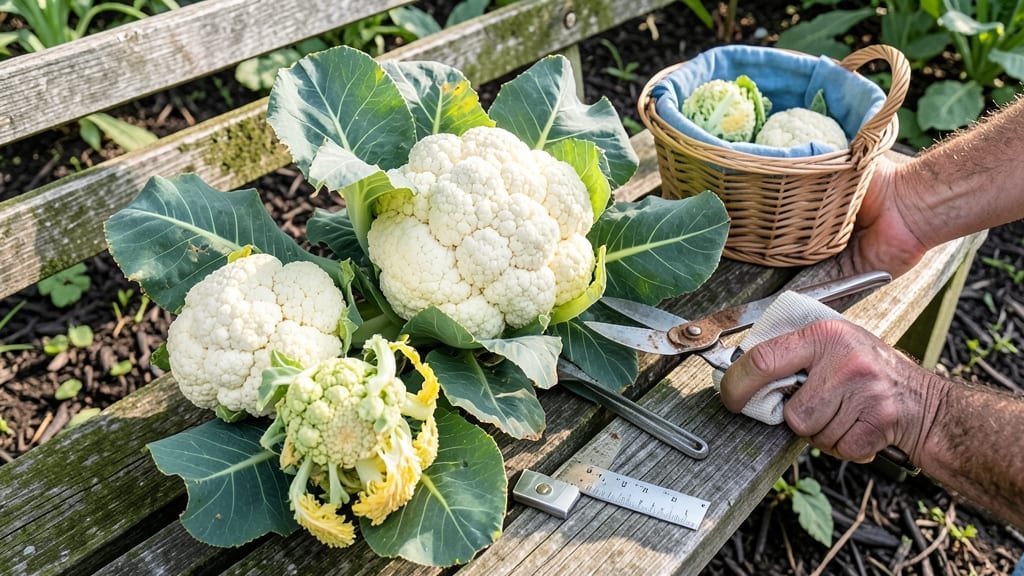
Knowing when to pick your 🥬 cauliflower can make all the difference between a perfect, tender head and one that’s tough or bitter.
The key lies in checking three simple but critical signs: the tightness of the curd, the color of the leaves, and how firm the head feels when you touch it.
If you’ve ever pulled a cauliflower too early—only to find it still loose and underdeveloped—or waited too long and ended up with a woody, overgrown mess, you’re not alone.
The good news? With just a few minutes of inspection, you can avoid these common mistakes and harvest at the perfect moment.
In this guide, I’ll walk you through the exact steps to determine ripeness, from visual cues like leaf color to the telltale firmness of the curd. You’ll also learn the best time of day to harvest and how to store your freshly picked cauliflower for maximum freshness.
Whether you’re a first-time gardener or a seasoned green thumb, these practical tips will ensure you never miss the window again. Let’s get started!


5 Key signs your cauliflower is ready for harvesting
Harvesting your cauliflower at the perfect moment transforms a simple garden task into a rewarding experience. The difference between a tender, sweet head and a woody, bitter one often comes down to timing.
I’ve learned the hard way—picking too early means a small, underdeveloped curd, while waiting too long results in a tough, overgrown mess. The good news? Five clear signs will tell you exactly when to harvest, and I’ll walk you through each one.
First, focus on the curd’s tightness. A ready-to-harvest cauliflower has a head that’s fully formed and compact, with no gaps between the florets. This tightness is your first clue that the plant has reached maturity.
Next, check the outer leaves, which should be turning yellow and dying back naturally. These visual cues, combined with a firm texture, are your best indicators.
- 1 Head Size: 4-6 inches
- 2 Tight Curd: Florets packed closely with no gaps
- 3 Leaf Color: Outer leaves turn yellow/brown and die back
- 4 Firm Stem: Gently squeeze—no soft spots or give
- 5 Color Consistency: Solid hue (white, purple, or orange)
Let’s start with head size, which is one of the easiest signs to spot. A fully mature cauliflower typically measures between 4 to 6 inches in diameter. If your head is smaller than this, it’s not fully developed yet.
I’ve seen gardeners rush to harvest early, only to end up with a head that’s too small to use. Patience pays off—wait until the head reaches this size before proceeding.
Next, examine the curd’s tightness. Gently run your fingers over the florets—if they’re packed closely together with no gaps, your cauliflower is ready. A loose curd means it’s not mature enough.
I like to think of it like a tightly wrapped gift: if you can see spaces between the florets, it’s not ready. This tightness ensures a tender texture and prevents the curd from becoming woody.
The outer leaves offer another clear signal. As your cauliflower matures, the leaves surrounding the head will start to yellow and die back. This is a natural process and a good sign that the plant is redirecting its energy to the head.
If the leaves are still vibrant and green, your cauliflower needs more time. I often see gardeners ignore this sign and end up with a head that’s overgrown and tough.
Don’t overlook the stem’s firmness. A ready-to-harvest cauliflower should have a firm stem that doesn’t give when gently squeezed. If the stem feels soft or mushy, it’s a sign of overmaturity or even rot.
I’ve learned to always check the stem first—it’s a quick way to avoid harvesting a spoiled head. A firm stem also means the head will stay fresh longer after picking.
Finally, pay attention to the color consistency of the head. Whether you’re growing white, purple, or orange cauliflower, the color should be even and vibrant. Uneven coloring or a dull appearance can indicate stress or immaturity.
I’ve noticed that purple varieties sometimes develop green streaks if they’re exposed to too much heat, so keep an eye on the color as a final check.
Avoid these common mistakes: harvesting too early results in a small, loose head, while waiting too long leads to a woody, bitter curd. I’ve made both errors, and trust me—neither is pleasant.
By following these five signs, you’ll always know exactly when to harvest. Once you’ve confirmed all the indicators, it’s time to grab your harvesting shears and enjoy the fruits of your labor!
How to test cauliflower ripeness: the curd and leaf method
Testing your cauliflower for ripeness is simpler than you might think. The curd and leaf method focuses on two key areas: the firmness of the head and the condition of the surrounding leaves.
Start by gently squeezing the curd—it should feel solid and dense, like a tightly packed ball of cotton. If it gives slightly under pressure, it’s not quite ready.
Next, inspect the outer leaves. Healthy, mature cauliflower will show signs of yellowing or browning at the edges, while the inner leaves should still appear vibrant. These visual cues tell you the plant is directing its energy toward the head rather than new growth.
Pay close attention to how the leaves wrap around the curd—they should be snug but not overly tight.
🚨
Overripe cauliflower becomes woody and bitter. If the head splits or the leaves turn completely brown and crispy, you’ve missed the window. Check your plants every 2-3 days during the harvest window (typically 70-100 days after planting) to avoid this.
The size of the head is another critical factor. Aim for a diameter of 4-6 inches—any smaller, and it’s underdeveloped; any larger, and it risks becoming tough. For purple or orange varieties, the color should be consistent and vibrant, not fading or patchy. If you’re growing a white cauliflower, look for a creamy hue without yellowing.
To perform the firmness test, press your thumb gently into the curd. It should resist slightly but not feel mushy. If it leaves a noticeable dent, the head needs more time.
For a non-destructive check, use your fingers to feel the surface—ripe cauliflower feels smooth and compact, while immature heads have a loose, almost fluffy texture.
If your cauliflower isn’t ready yet, don’t panic. Leave it on the plant and continue monitoring. Keep the soil consistently moist (but not waterlogged) and ensure it’s getting 6+ hours of sunlight daily.
Avoid fertilizing at this stage, as it can encourage more leaf growth instead of head development. In hot climates, provide afternoon shade to prevent bolting.
Once you’ve confirmed ripeness, harvest by cutting the stem 1-2 inches below the curd with a sharp knife. This minimizes damage to the plant and encourages any side shoots to mature.
Store your freshly picked cauliflower in the fridge for up to 5-7 days or blanch and freeze for longer storage. With this method, you’ll always know exactly when to pick—no more guesswork!