
Blooming
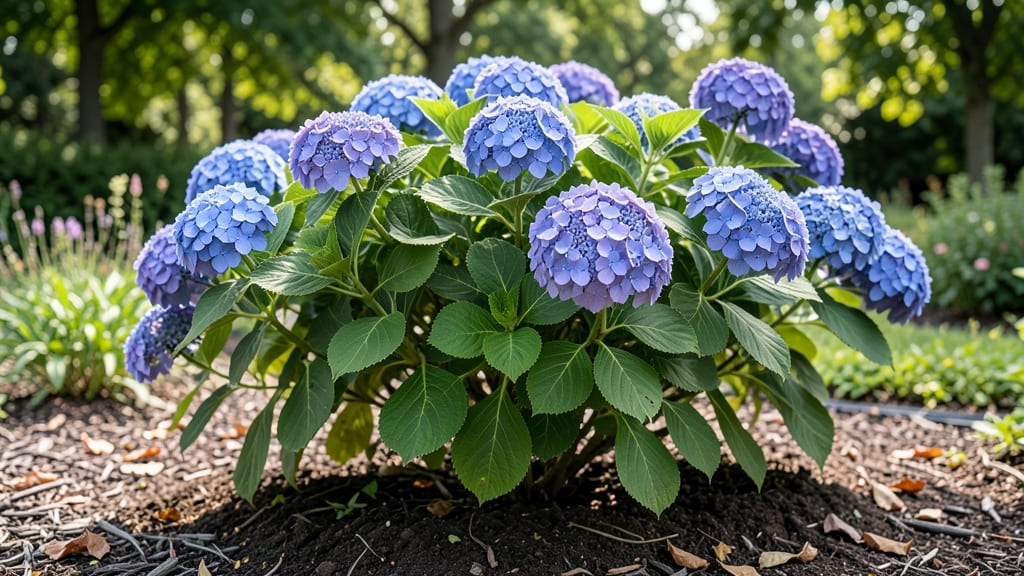
Hydrangea flower time: the exact pruning schedule by variety type
If your hydrangeas aren’t blooming as they should, the issue likely lies in your pruning timing. Different hydrangea varieties bloom on different wood types, which means their pruning schedules vary dramatically.
Get this wrong, and you could end up with no flowers at all—or worse, a shrub that never recovers. Let’s break down the exact pruning windows for each type so you can plan ahead for next season’s showstopping blooms.
First, understand that hydrangeas fall into two main blooming categories: those that flower on old wood (last year’s growth) and those that bloom on new wood (current year’s growth).
This distinction is critical because pruning at the wrong time can mean the difference between a full bloom and a bare branch. Let’s dive into the specifics for each variety, starting with the most common types you’ll find in gardens.
Mophead hydrangeas (like Hydrangea macrophylla) are the classic big, round bloomers, but they’re also the most delicate when it comes to pruning. These beauties bloom on old wood, so any cuts made after their buds form in late summer will remove next year’s flowers. The key is to prune them right after they finish blooming, typically in late summer or early fall, but never in winter or early spring.
Lacecap hydrangeas (also Hydrangea macrophylla) share the same old wood blooming habit as mopheads, but their pruning window is slightly more flexible. You can prune lacecaps immediately after flowering, usually between June and August, as long as you avoid cutting back into the old wood buds that form in late summer. These buds are your future flowers, so protect them at all costs.
Panicle hydrangeas (like Hydrangea paniculata) are the hardiest and most forgiving when it comes to pruning. They bloom on new wood, which means you can prune them aggressively in late winter or early spring without worrying about removing next year’s blooms. In fact, heavy pruning in February or March encourages bigger, more abundant flowers later in the season.
Oakleaf hydrangeas (like Hydrangea quercifolia) are a bit of a middle-ground. They primarily bloom on old wood, but they can also produce some flowers on new wood. To maximize blooms, prune them lightly in late winter or early spring, removing only dead or weak branches. Avoid heavy pruning, as this can reduce next year’s flower production.
| Variety | Blooms On | Pruning Time | What to Avoid | Best For |
|---|---|---|---|---|
| Mophead | Old Wood | Late Summer/Early Fall | Winter or Spring Pruning | Big, Round Blooms |
| Lacecap | Old Wood | June-August (Post-Bloom) | Cutting Old Wood Buds | Flat, Lacy Blooms |
| Panicle | New Wood | Late Winter/Early Spring | None (Hardy to Heavy Pruning) | Large, Cone-Shaped Blooms |
| Oakleaf | Old Wood (Mostly) | Late Winter/Early Spring (Light) | Heavy Pruning | Unique Oak-Leaf Shaped Leaves |
Now that you know the pruning windows for each variety, let’s talk about seasonal cues to help you time your cuts perfectly. For old wood bloomers, watch for bud formation in late summer. These buds are your next year’s flowers, so avoid pruning once they appear.
For new wood bloomers, prune in late winter or early spring before new growth begins, typically when your area’s last frost date is still a few weeks away.
Another critical seasonal cue is leaf drop. If you’re pruning panicle hydrangeas, wait until after the leaves have fallen in late fall or early winter. This makes it easier to see the branch structure and ensures you’re cutting back to the right spots.
For oakleaf hydrangeas, a light pruning in late winter helps shape the shrub without risking next year’s blooms.
One of the biggest mistakes gardeners make is
How to prune hydrangeas for maximum blooms: step-by-step guide
Pruning hydrangeas at the right time and with precision can transform your shrubs from sparse bloomers to lush, flower-filled stars. The key? Understanding your hydrangea’s variety and growth habits—because cutting too early or too late can mean fewer blooms next season.
I’ve pruned my mophead and panicle hydrangeas for years, and I’ve learned that timing is everything. Let’s dive into the exact steps to maximize those showstopping blooms while keeping your plants healthy.
Before you grab your shears, gather these essential tools and supplies:
- Sharp bypass pruners (for clean cuts)
- Gloves (hydrangeas have thorns!)
- Disinfectant (to prevent disease spread)
- Rubbing alcohol (for sterilizing tools)
- Pruning saw (for thicker stems)
Step-by-Step Pruning Guide for Hydrangeas
- 1 Identify your hydrangea type: Mophead and lacecap hydrangeas bloom on old wood (last year’s growth), while panicle and smooth hydrangeas bloom on new wood (current year’s growth).
- 2 Prune old-wood types (late winter/early spring): Cut back dead or weak stems to the first set of buds. Avoid heavy pruning—just shape lightly to encourage new growth.
- 3 Prune new-wood types (late winter/early spring): Cut stems back by 1/3 to 1/2 their height. This encourages vigorous new growth and more blooms.
- 4 Deadhead spent blooms (late summer/fall): Remove faded flowers by cutting stems back to the first set of leaves. This redirects energy to next year’s buds.
- 5 Clean up and sterilize: Remove all debris and sterilize tools with rubbing alcohol. This prevents pests and diseases from taking hold over winter.
One of the biggest mistakes I see gardeners make is pruning at the wrong time. For example, cutting back old-wood hydrangeas in spring removes next year’s flower buds before they form. Always wait until late winter or early spring (just before new growth starts) for old-wood types.
For new-wood types, you can prune a bit later, even into early summer, but avoid heavy cuts after mid-summer.
After pruning, your hydrangeas will need some extra care to bounce back. Water deeply to help them recover, and apply a balanced fertilizer (like 10-10-10) in early spring to fuel new growth.
Mulch around the base to retain moisture and regulate soil temperature. I’ve found that hydrangeas pruned in late winter and given this care often produce 20-30% more blooms the following season.
Don’t forget to monitor your hydrangeas for signs of stress after pruning. Yellowing leaves or wilting stems can signal over-pruning or disease. If you notice these issues, adjust your watering and fertilizing routine.
With the right approach, your hydrangeas will reward you with vibrant, long-lasting blooms that turn heads all summer long. 🌸