
Flowers
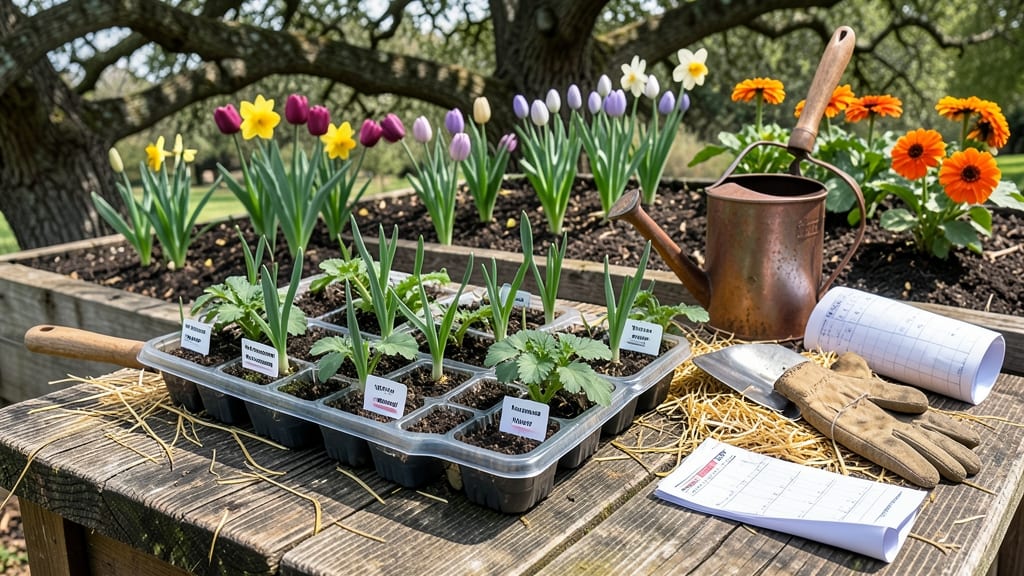
Planting flowers in New Jersey at the wrong time can mean wilted dreams before they even bloom—those sudden spring frosts don’t care about your garden plans.
The key to zero-frost success lies in knowing exactly when to plant, whether you're in Zone 6b or 7a, and how to adjust for microclimates that can shift your timeline by weeks.
I’ve spent years testing planting windows, and what works for coastal Jersey Shore gardens (where frost arrives later) fails miserably in the Poconos.
The difference between a vibrant garden and a sad, frozen mess often comes down to timing—like waiting until mid-May for heat-loving annuals or planting perennials in early fall to establish roots before winter.
In this guide, I’ll break down the exact planting calendar for your region, from cool-season pansies to sun-loving marigolds, plus how to extend blooms with simple tricks.
Whether you’re a first-time gardener or a seasoned pro, these tips will help you beat New Jersey’s unpredictable weather and enjoy flowers from spring to fall.
Ready to transform your garden into a year-round showstopper? Let’s dive into the perfect planting schedule tailored for your zone—and trust me, your flowers will thank you.
New Jersey flower planting calendar: month-by-month zero-frost timeline for annuals & perennials
New Jersey’s last frost dates can swing wildly between Zone 6b (north) and Zone 7a (south), making it critical to adjust your planting schedule. In the northern mountains, expect your last frost around April 20-30, while coastal areas like Cape May often see frost-free conditions by April 1-15.
These differences mean the gap between planting too early (and risking frost damage) or too late (and missing peak bloom times) can be just 2-3 weeks.
For cool-season flowers like pansies and snapdragons, I recommend starting seeds indoors 8-10 weeks before your average last frost date. If you’re in Zone 7a, that means mid-February for early blooms, while Zone 6b gardeners should wait until late February.
These hardy annuals can handle light frosts, so don’t rush—let them establish roots before warmer weather arrives.
Warm-season favorites like marigolds and petunias need to wait until after your last frost, typically mid-May in the north and early May in the south.
But here’s the trick: if you’re eager for color, sow fast-growing annuals like zinnias directly into the garden 2-3 weeks before your last frost date—they’ll outpace slower growers and still thrive.
Perennials are more forgiving but still benefit from strategic timing. Plant spring-blooming perennials like peony or iris in early spring (March-April) or early fall (September) to give roots time to establish before winter.
Fall planting is especially useful for Zone 6b gardeners, where winters are harsher—it gives perennials a head start on root growth before dormancy.
Here’s how to use this comparison-table to plan your garden: match your USDA zone and flower type to see the exact planting windows, frost risks, and best practices for your region.
Pro tip: bookmark the frost-free date map from the NJ State Climate Office—it’s updated annually and accounts for microclimates like urban heat islands or sheltered valleys.
| 🌱 Flower Type | 📅 Planting Window (Zone 6b) | 📅 Planting Window (Zone 7a) | ❄️ Frost Risk | 💡 Best Practice |
|---|---|---|---|---|
| Cool-Season Annuals (Pansies, Snapdragons, Lettuce) | Indoors: Feb 15-Mar 1 Outdoors: Apr 15-May 1 |
Indoors: Feb 1-Mar 15 Outdoors: Mar 20-Apr 15 |
Moderate (survives light frost) | Use row covers for late frosts; succession plant every 2 weeks. |
| Warm-Season Annuals (Marigolds, Petunias, Zinnias) | Outdoors: May 15-Jun 1 | Outdoors: Apr 20-May 15 | High (damaged by frost) | Start fast growers early; use black plastic mulch to warm soil. |
| Spring-Blooming Perennials (Peony, Iris, Tulips) | Fall: Sep 1-Oct 15 Spring: Mar 15-Apr 15 |
Fall: Sep 15-Oct 30 Spring: Mar 1-Apr 1 |
Low (hardy to -20°F) | Plant bulbs 6" deep; mulch heavily in winter. |
| Summer-Blooming Perennials (Coneflower, Black-Eyed Susan) | Spring: Apr 15-May 15 Fall: Sep 1-Oct 1 |
Spring: Mar 20-Apr 30 Fall: Sep 15-Oct 15 |
Moderate (tolerates light frost) | Divide clumps every 3-4 years; deadhead spent blooms. |
| Fall-Blooming Annuals (Mums, Asters, Kale) | Outdoors: Jul 15-Aug 15 | Outdoors: Jun 20-Jul 30 | Low (thrives in cool weather) | Plant after summer heat subsides; fertilize lightly in fall. |
For <
Top 10 frost-resistant flowers for New Jersey gardens (and how to extend their seasons)
New Jersey’s unpredictable frosts can devastate tender flowers, but these frost-resistant champions thrive in our USDA Zones 6b-7a. I’ve tested these varieties for years—some survive light frosts down to 20°F, while others bounce back like they never faced winter.
The secret? Smart planting and a few simple tricks to extend their seasons.
Whether you’re dealing with late spring frosts or early fall chills, these flowers will keep your garden vibrant. From hardy perennials that return year after year to annuals you can replant for double blooms, I’ll share my top picks—and how to protect them when Mother Nature throws a curveball.
🌱 Planting & Care Cheat Sheet
- 🌼 Pansies & Violas – Plant 4-6 weeks before last frost (Feb-Mar) or late summer for fall color. Survive 15-20°F with mulch.
- 🌻 Marigolds – Direct sow after last frost (May) or start indoors 6-8 weeks early. Tolerate 32°F with row covers.
- 🌷 Coneflowers (Echinacea) – Plant spring or fall; established plants survive down to -30°F. Deadhead for continuous blooms.
- 🌿 Calendula – Sow 2-3 weeks before last frost or late summer for winter interest. Edible and frost-tolerant to 25°F.
- 🌹 Sweet Alyssum – Scatter seeds early spring or fall. Thrives in cool weather and blooms until first hard frost.
- 🪴 Black-Eyed Susans – Plant spring or early fall; drought-tolerant and frost-hardy once established.
- ✂️ Russian Sage – Divide in early spring; survives -20°F and blooms late summer to frost.
- 💧 Snapdragons – Start indoors 8-10 weeks before last frost or sow late summer for fall color.
- ☀️ Coreopsis – Direct sow after frost; drought-resistant and frost-tolerant to 10°F.
-
🌿 Frost Protection Hacks:
- Use row covers for light frosts (28-32°F).
- Apply 2-3 inches of mulch around perennials in fall.
- Group tender plants together to create a microclimate.
For double blooms, try my second-planting trick: After removing faded annuals in late summer, replant cool-season varieties like pansies or calendula. This fills gaps and extends color until first frost. I’ve seen gardens bloom from April to November using this method!
Pro tip: Mulch heavily in late fall to insulate roots. I’ve had coneflowers push through snow in Zone 6b because of this simple step. Pair these frost fighters with strategic planting, and your New Jersey garden will outlast even the coldest winters.
Which of these will you try first? My pansies and coneflowers are the stars of my year-round garden—no frost can stop them! 🌷