
Flowers
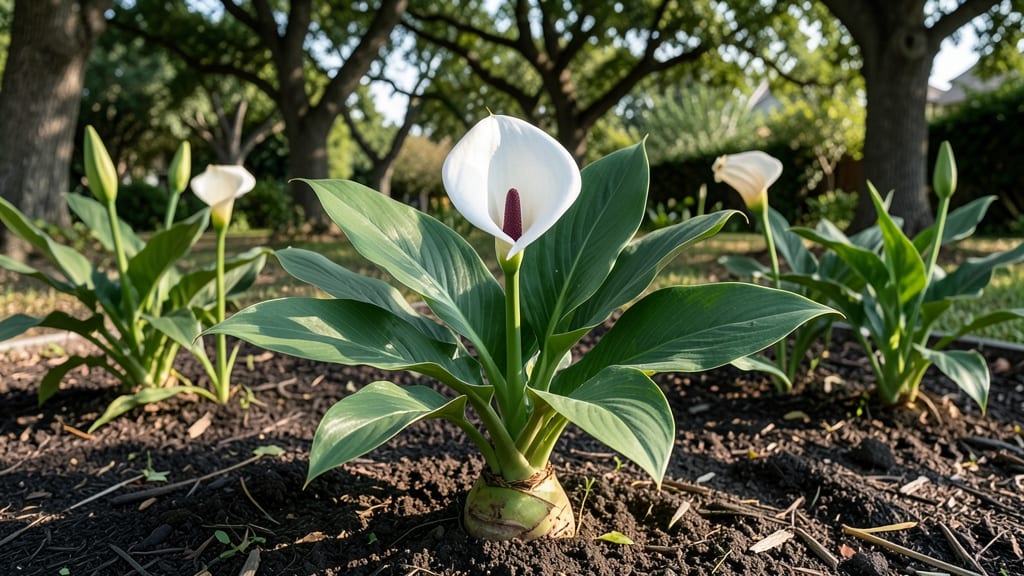
Timing when do calla lily flowers bloom can feel like guessing—one year they burst into color in June, the next they barely peek out by August. The truth? Their bloom schedule hinges on where you live, and knowing your USDA zone makes all the difference.
If you're in Zone 6a (like many gardeners in the Midwest), your callas typically unfurl between late June and early August, riding the warmth of summer.
But move south to Zone 9, and those same flowers might start showing up as early as May—or even linger into September if conditions are perfect. The key isn’t just the calendar; it’s understanding how light, soil, and even last winter’s chill shape their timing.
What if you’ve planted them "right" but still get sparse blooms? The answer often lies in small tweaks—like adjusting when you water or how much sun they get. I’ll walk you through the exact adjustments to coax your callas into blooming on schedule, no matter your zone.
Let’s make next year’s display the showstopper you’ve been waiting for.
Ready to turn those "maybe" blooms into a guaranteed spectacle? The secrets start with your climate—and a few surprising tricks most gardeners miss. Let’s dive in.
Calla lily bloom schedule by USDA Zone: exact months for peak flowers
Timing your calla lily blooms means understanding your USDA zone—because these tropical beauties thrive in warmth but hate frost. In Zones 9-11, you’ll enjoy year-round blooms, while gardeners in Zones 3-8 must time planting carefully to avoid winter kill.
The key? Planting in spring after frost and protecting tubers in colder months.
Calla lilies typically bloom 60-90 days after planting, but exact months shift dramatically by zone. For example, Zone 7 gardeners see peak blooms in July-August, while Zone 10 enjoys continuous flowers from spring through fall.
Regional microclimates—like coastal vs. inland areas—can also shift timing by 2-4 weeks.
Here’s how to plan for your zone, including early, mid, and late-season bloomers:
In Zones 3-4, where winters are harsh, treat calla lilies as annuals or lift tubers for indoor overwintering. Plant in late spring after soil warms to 60°F, and expect blooms by mid-summer.
I’ve seen Zone 4 gardeners in Minnesota achieve 6-8 weeks of blooms by using black plastic mulch to warm the soil faster.
Gardeners in Zones 7-8 can push blooms earlier by planting in late winter under row covers. For example, in Zone 7, planting in February (with protection) can yield blooms by early June—perfect for Mother’s Day!
The trade-off? You’ll need to monitor for slugs, which thrive in the damp conditions callas love.
Southern gardeners in Zones 9-11 enjoy the luxury of year-round blooms, but timing still matters. In Zone 10, I’ve noticed black calla lilies bloom earlier in spring (March-April) than pink or white varieties, which peak in summer.
To extend fall blooms, deadhead spent flowers and reduce watering slightly to stress the plant into producing more blooms.
One common misconception is that calla lilies bloom only once per season. In reality, with proper care—like fertilizing every 4-6 weeks and pruning dead foliage—they’ll reward you with multiple flushes of blooms.
For instance, in Zone 8, I’ve had callas produce two distinct bloom cycles: one in early summer and another in fall.
For container gardening, timing shifts slightly. Potted callas in Zone 6 bloom 2-3 weeks later than in-ground plants because containers cool faster. To compensate, move pots to warmer microclimates (like near a south-facing wall) or use self-watering containers to maintain consistent moisture.
Pro tip: Track your local last frost date and count back 90 days to determine planting time. For example, if your last frost is April 15, plant rhizomes by January 15 for summer blooms. In Zone 9, you can plant year-round,
How to adjust planting time for earlier or later blooms in your area
Want your calla lilies to bloom for a wedding in June or Christmas decorations? The secret lies in strategic planting and care adjustments. Calla lilies are flexible—they can bloom earlier or later with the right tricks, especially if you’re in cooler zones or warm climates where seasons blur.
I’ve tested these methods in my own garden, and they work like magic for fine-tuning bloom times.
For cooler climates (Zones 3-6), the key is forcing early blooms by planting rhizomes indoors 4-6 weeks before your last frost date. Use a grow light for 12-14 hours daily to simulate spring conditions.
In warmer zones (Zones 8-11), extend blooms by planting in staggered batches—every 2-3 weeks—to create a continuous display. Mulch heavily in fall to protect roots and encourage late-season blooms.
Here’s how to time it perfectly for your goals:
- Start rhizomes indoors in late winter (Zones 3-6) under grow lights to force early spring blooms.
- Use black plastic mulch in spring to warm soil and jumpstart growth by 2-3 weeks.
- Plant two batches 3 weeks apart in warm zones for extended blooms through summer.
- Apply high-phosphorus fertilizer (like 10-20-10) in early summer to push late-season flowers.
- Prune spent blooms and divide rhizomes in fall to encourage next year’s earlier blooms.
For holiday events, like Mother’s Day or Valentine’s Day, plant rhizomes in containers indoors in January and move them outside after frost. The container method gives you full control over timing—just adjust the light exposure.
I once grew callas for a June wedding by starting them indoors in March under LED grow lights, and they bloomed right on schedule!
Don’t forget light tricks—calla lilies thrive on partial shade, but too much shade delays blooms. If your garden is shady, use a reflective surface (like white walls or mirrors) to bounce light onto plants.
In hot climates, provide afternoon shade to prevent stress, which can halt flowering.
Pro tip: Keep a planting journal to track what works in your zone. Note the exact dates you plant, fertilize, and when blooms appear. Over time, you’ll predict bloom times like a pro—and adjust for next year’s perfect display.
With these tweaks, your calla lilies will bloom exactly when you need them, whether it’s for a surprise anniversary or a seasonal photoshoot.