
Flowers
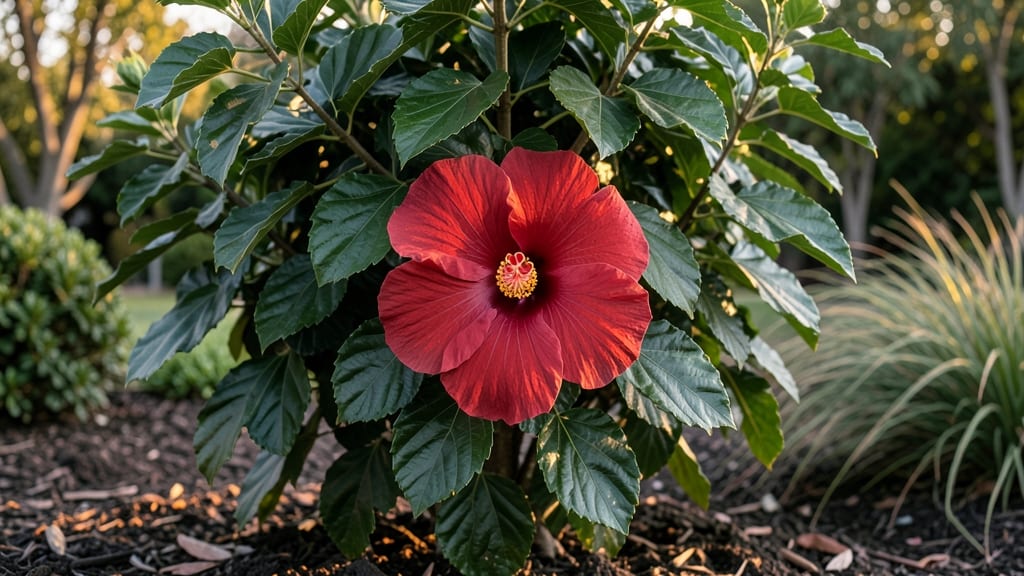
Picture this: the largest hibiscus flower could double as a salad plate—12 inches of pure, velvety petals in shades of crimson, yellow, or white.
That’s not a fantasy; it’s the reality of the largest hibiscus flower varieties, and they’re within reach for any gardener willing to put in the right care.
Most gardeners grow hibiscus for their striking beauty, but few know how to coax those giant blooms to life. The secret lies in choosing the right varieties—like the towering Hibiscus rosa-sinensis—and giving them the perfect mix of sunlight, soil, and nutrients.
With the right techniques, you can transform your garden into a tropical showcase that hummingbirds will flock to.
I’ve spent years growing hibiscus, and what I’ve learned is that bigger blooms aren’t just about luck. It’s about understanding their needs: from high-potassium fertilizers to strategic pruning and even hand-pollination for those extra-large flowers.
Let me walk you through the exact steps to grow hibiscus so bold, they’ll make your neighbors do a double take.
Ready to turn your garden into a hibiscus paradise? We’ll cover everything—from selecting the right plants to avoiding common mistakes that keep blooms small. By the end, you’ll know exactly how to grow showstopping hibiscus that steal the spotlight.
Top 5 hibiscus varieties with the largest flowers (up to 12 inches)
If you're dreaming of showstopping hibiscus blooms that could double as dinner plates, you're in the right place. Some hibiscus varieties produce flowers reaching 10-12 inches wide, turning gardens into tropical showcases. These giants aren't just for show—they attract hummingbirds and add dramatic flair to any landscape.
Let's dive into the top 5 largest hibiscus varieties that will make your garden the talk of the neighborhood.
Growing these massive bloomers requires the right variety for your climate and soil. From tropical showstoppers to hardy shrubs, each of these hibiscus types brings something special to your garden.
Whether you live in a warm coastal area or a temperate zone, there's a giant hibiscus variety that will thrive in your space. The key is understanding their native origins and growth habits to provide the perfect conditions.
Hibiscus rosa-sinensis 'Giant' and Hibiscus syriacus 'Diana' top the list for their unbelievable flower sizes and striking appearances. But don't overlook other varieties like Hibiscus moscheutos 'Disco Belle', which brings a swamp hibiscus's bold charm to drier gardens. Let's explore these five giants in detail so you can choose the perfect one for your landscape.
| Variety | Max Bloom Size | Native Origin | Growth Habit | Hardiness Zone |
|---|---|---|---|---|
| Hibiscus rosa-sinensis 'Giant' | 10-12 inches | China, Southeast Asia | Shrub, 6-15 ft tall | 9-11 |
| Hibiscus syriacus 'Diana' | 8-10 inches | Syria, Asia Minor | Shrub, 8-10 ft tall | 5-9 |
| Hibiscus moscheutos 'Disco Belle' | 8-10 inches | Eastern North America | Perennial, 4-6 ft tall | 5-9 |
| Hibiscus rosa-sinensis 'Red Giant' | 9-11 inches | China | Shrub, 6-12 ft tall | 9-11 |
| Hibiscus syriacus 'Blue Chiffon' | 7-9 inches | Syria | Shrub, 6-8 ft tall | 5-9 |
First on our list is the legendary Hibiscus rosa-sinensis 'Giant', which produces flowers up to 12 inches wide in vibrant colors like red, pink, and yellow. This tropical beauty thrives in USDA zones 9-11 and loves full sun and rich, well-draining soil.
Its large, glossy leaves and dramatic blooms make it a centerpiece in any garden. For those in cooler climates, this variety can be grown in containers and brought indoors during winter.
The Hibiscus syriacus 'Diana' is a hardy shrub that produces 8-10 inch blooms in shades of purple and pink. Native to Syria, this variety is perfect for USDA zones 5-9 and can tolerate colder temperatures better than its tropical cousins.
Its late-summer to fall blooming period adds color when many other plants are winding down. This variety is also drought-tolerant once established, making it low-maintenance.
If you're looking for a native North American giant, the Hibiscus moscheutos 'Disco Belle' is a stunning choice. Known as the swamp hibiscus, it produces 8-10 inch blooms in shades of pink and white.
Despite its name, it thrives in moist but well-drained soil and is perfect for USDA zones 5-9. This perennial brings a wild, natural beauty to ponds, streams, or moist garden beds.
For those who love bold red blooms, the Hibiscus rosa-sinensis
How to grow giant hibiscus flowers: soil, sunlight, and care secrets
To grow the largest hibiscus flower possible, you need to start with the basics—soil that’s rich in organic matter and sunlight that mimics their tropical origins. I’ve found that hibiscus thrive when planted in well-draining soil with a pH between 6.1 and 7.5.
If your soil is too acidic or alkaline, the plants will struggle to absorb nutrients, leading to smaller blooms. Test your soil before planting and amend it with compost or peat moss to create the perfect growing medium.
Next, sunlight is non-negotiable. These tropical beauties demand 6-8 hours of direct sunlight daily. Without enough light, your hibiscus will produce fewer, smaller flowers. If you’re growing them in containers, place them in the sunniest spot on your patio or balcony.
Even a few hours of shade can stunt their growth, so avoid planting them under trees or near structures that cast long shadows.
🌸 Top 5 Secrets for Giant Hibiscus Blooms
- 1. Soil pH 6.1-7.5: Test and amend soil with compost or lime to avoid nutrient lockout.
- 2. Full sun (6-8 hrs/day): Partial shade = smaller blooms. Place in the sunniest spot possible.
- 3. High-potassium fertilizer: Use a 10-10-10 blend every 4-6 weeks during blooming season.
- 4. Prune in late winter: Cut back 1/3 of growth to encourage larger, bushier blooms.
- 5. Hand-pollinate: Gently brush stamens to boost flower size in container-grown plants.
When it comes to fertilization, hibiscus love a balanced, high-potassium fertilizer like 10-10-10. I apply it every 4-6 weeks during the growing season, starting in early spring and tapering off in late summer.
Too much nitrogen will encourage leafy growth at the expense of blooms, so avoid heavy nitrogen feeds. Instead, focus on phosphorus and potassium to promote flowering. Organic options like banana peel tea or fish emulsion work wonders too.
Don’t forget about pruning—it’s one of the most underrated secrets to giant hibiscus flowers. Prune your plants in late winter or early spring to remove dead or weak growth. Cut back about one-third of the plant’s height to encourage bushier growth and larger blooms.
Regular pruning also improves airflow, reducing the risk of fungal diseases that can weaken your plants. Just avoid heavy pruning in the fall, as it can stress the plant before winter.
Watering plays a crucial role too. Hibiscus need consistently moist but well-drained soil. I water mine deeply every 2-3 days in hot weather, ensuring the water reaches the roots. Avoid wetting the leaves to prevent fungal issues like powdery mildew.
In cooler months, reduce watering to once a week, allowing the top inch of soil to dry out slightly. Mulching around the base of the plant helps retain moisture and keeps roots cool.
Finally, seasonal care is key to maintaining those giant blooms. In spring, focus on encouraging new growth with light fertilizing and regular watering. During summer, protect your hibiscus from extreme heat by providing afternoon shade if temperatures exceed 90°F (32°C).
In fall, gradually reduce watering and fertilizing to prepare the plant for dormancy. With these tips, you’ll be well on your way to growing hibiscus flowers that could easily pass for a tropical masterpiece.