
Blooming
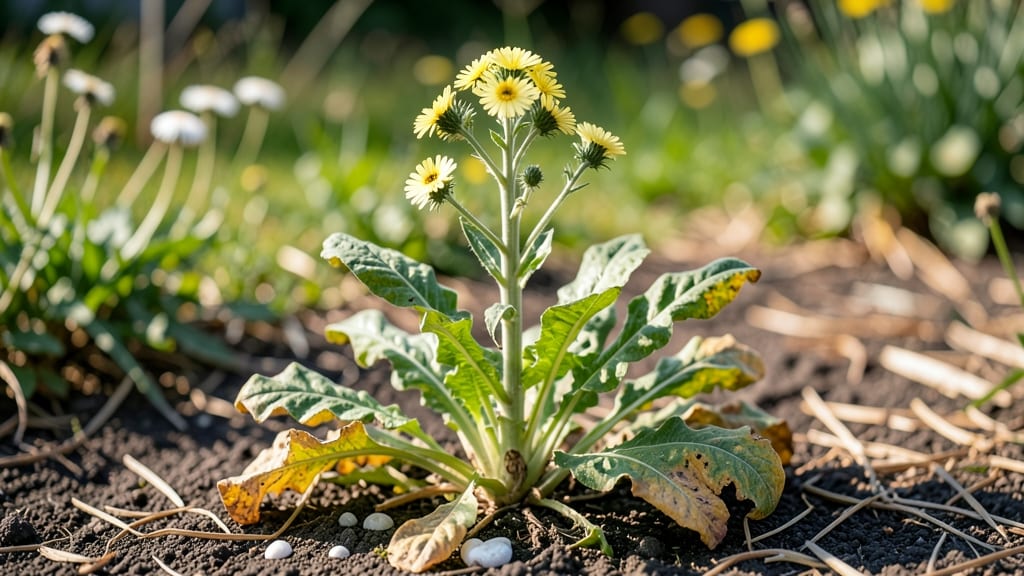
There's nothing worse than reaching for your crisp 🥬 lettuce—only to find it suddenly in the flowering stage, with bitter, elongated stalks instead of tender leaves.
That bitter, elongated mess isn't a gardening failure; it's your lettuce entering its flowering stage, and understanding why it happens is the key to saving your harvest.
This frustrating transition isn't just about aesthetics—it completely changes the taste and texture of your lettuce. The good news? You can delay or even prevent bolting with the right techniques.
Whether you're dealing with heat stress or simply planted at the wrong time, I'll walk you through what triggers this shift and how to keep your plants producing those sweet, crunchy leaves you love.
From choosing the right varieties to adjusting your growing conditions, we'll cover everything you need to know. Let's turn that potential disappointment into a successful harvest that lasts all season long.
Ready to save your garden? Let's dive into the science behind why lettuce flowers—and how to stop it before it ruins your dinner plans.
Why lettuce flowers: causes of the flowering stage in lettuce
When your crisp lettuce suddenly sprouts tall flower stalks, it’s not a gardening failure—it’s a natural response called bolting. This lettuce flowering stage happens when your plants shift from leaf production to seed development, often triggered by environmental stress or aging.
Understanding these triggers helps you save your harvest before the leaves turn bitter or tough.
Lettuce is a cool-season crop, meaning it prefers moderate temperatures and longer daylight hours can push it into flowering. Once the flowering stage begins, the plant focuses energy on producing seeds rather than tender leaves.
Recognizing the early signs—like bitter-tasting leaves or elongated stems—gives you time to act before the entire plant bolts.
🌱 Key Insight: Lettuce bolts due to a mix of biological and environmental factors, including heat stress, long daylight exposure, and plant maturity. Even the hardiest varieties can’t escape these triggers if conditions aren’t ideal.
Here’s a breakdown of the primary causes of the lettuce flowering stage, from biological triggers to environmental stressors:
| Cause | Description | Early Signs |
|---|---|---|
| Heat Stress | Soil temps above 75°F (24°C) trigger bolting. | Bitter leaves, yellowing edges. |
| Long Daylight | 14+ hours of light signals flowering in sensitive varieties. | Stem elongation, tight leaf heads. |
| Drought Stress | Inconsistent watering or dry soil forces early bolting. | Wilted leaves, crispy edges. |
| Plant Maturity | Older plants (60+ days) naturally shift to flowering. | Seed stalks, reduced leaf growth. |
| Nutrient Imbalance | Too much nitrogen or phosphorus can accelerate bolting. | Purple stems, stunted growth. |
One of the most common triggers is heat stress, especially during summer months when soil temperatures climb above 75°F (24°C). Lettuce is a cool-season crop, so even a brief heatwave can push it into the flowering stage.
I’ve seen this happen in late spring when daytime temps spike unexpectedly—one day you’re harvesting crisp leaves, and the next, you’re staring at a flowering stalk.
Another major culprit is long daylight exposure. Lettuce varieties like romaine or iceberg are particularly sensitive to 14+ hours of daylight, which signals the plant to bolt.
This is why fall plantings often succeed where spring ones fail—shorter days delay the flowering stage. Even in mild climates, extended sunlight can trigger premature bolting.
Drought stress is another silent saboteur. Lettuce thrives on consistent moisture, and fluctuations in watering can force the plant into survival mode, accelerating the flowering stage. I once lost an entire batch of butter lettuce because I skipped watering during a heatwave.
The leaves turned bitter within days, and by the time I noticed, the stems had already elongated.
Finally, plant maturity plays a role. Most lettuce varieties take 30–60 days to reach harvest size, but some bolt naturally after 60 days, even under ideal conditions.
This is why seed packets often recommend harvesting outer leaves first—it buys you time to enjoy tender greens before the entire plant flowers.
If you’re growing bolt-resistant varieties like Black Seeded Simpson or Jericho, you’ll still need to monitor for these triggers. Even the hardiest lettuce can’t outrun heat stress or drought indefinitely. The key is acting early—once the flowering stage begins, the clock is ticking on your harvest.
💡 Pro Tip: Check your lettuce daily for early signs like bitter-tasting leaves or elongated stems. These are your first warnings that the flowering stage is imminent. Acting quickly—whether by harvesting outer leaves or adjusting growing conditions—can extend your harvest by weeks.
How to prevent lettuce flowering: proven strategies for gardeners
When your lettuce starts sending up tall flower stalks instead of tender leaves, it's officially entered the flowering stage. This happens when your plants sense it's time to reproduce, often triggered by heat stress, long daylight hours, or even just reaching maturity.
The good news? You can delay or even prevent bolting with these science-backed strategies that work in any garden.
First, let's tackle the most effective methods to keep your lettuce producing those crisp leaves you love. The key is understanding how to manipulate your growing conditions to mimic ideal lettuce-growing environments.
We'll start with the simplest solutions and move to more advanced techniques that can give you an extra harvest season.
🌱 Proven Strategies to Delay Flowering
- 1. Use shade cloth - Install 30-50% shade cloth to block intense afternoon sun during hot months. This reduces soil and leaf temperatures by 10-15°F, delaying bolting by 2-4 weeks.
- 2. Master watering - Keep soil consistently moist (1 inch deep) but never waterlogged. Deep watering early morning prevents heat stress that triggers flowering.
- 3. Choose heat-tolerant varieties - Plant romaine or leaf lettuce varieties like 'Black Seeded Simpson' or 'Jericho' that handle 75-80°F temperatures better than traditional types.
- 4. Cool the soil - Apply 2-3 inches of mulch (straw or grass clippings) to keep soil temperatures 5°F cooler than air temperature, which significantly delays bolting.
- 5. Harvest strategically - Pick outer leaves first when they reach 2-3 inches. This redirects energy to leaf production instead of flowering, extending harvest by 3-5 weeks.
- 6. Time your planting - For spring, sow seeds 4-6 weeks before last frost. For fall, plant 8-10 weeks before first frost to avoid summer heat while maximizing cool-season growth.
One of the most effective tools in your arsenal is shade cloth. I've found that using 30-50% shade during peak summer months can extend my lettuce harvest by nearly a month.
The key is to install it before temperatures consistently exceed 75°F—this is when lettuce starts sensing it's time to bolt. You can even create a simple frame with PVC pipes and staple the cloth to it for easy removal when temperatures drop.
Don't overlook the power of proper watering techniques. I've seen many gardeners accidentally trigger bolting by letting their lettuce dry out during heatwaves. The secret is maintaining even moisture—about 1 inch of water per week—but never letting the soil become soggy.
A simple way to check is to stick your finger 1 inch into the soil; if it's dry, it's time to water. Morning watering is crucial as it gives leaves time to dry, preventing fungal issues that can stress plants.
For those particularly hot summers, consider planting heat-tolerant varieties like 'Romaine' or 'Buttercrunch'. These varieties can handle temperatures up to 80°F before bolting, giving you a longer harvest window.
I've had great success with 'Jericho' lettuce in my zone 8 garden—it's been known to produce edible leaves even when other varieties have bolted completely.
Another often-overlooked technique is soil cooling. Lettuce roots are extremely sensitive to temperature changes. By applying a thick layer of organic mulch (2-3 inches), you can keep soil temperatures 5-10°F cooler than the air temperature.
This simple technique can delay bolting by several weeks. Plus, the mulch helps retain moisture and suppresses weeds—it's a triple win for your lettuce patch.
Remember that preventing bolting is about creating the right growing conditions. By combining these strategies—shade, proper watering, variety selection, and soil management—you can enjoy crisp lettuce leaves well into the summer months.
The key is consistency; lettuce is a sensitive plant that responds quickly to changes in its environment. With these techniques, you'll be harvesting tender leaves instead of flower stalks all season long.