
Flowers
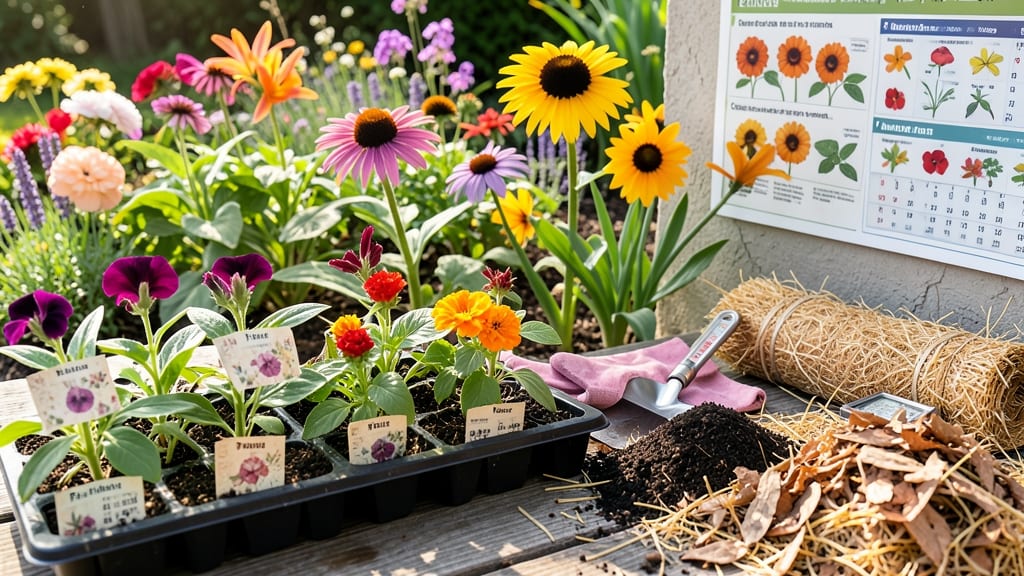
Planting flowers in Indiana at the wrong time can mean the difference between a vibrant garden and a sad pile of frozen seedlings—especially when last-frost dates shift from April 15 in the north to May 1 in the south. Whether you're a first-time gardener or a seasoned pro, getting the timing right for your USDA 6a zone is the key to blooms that last all season.
Spring is the most popular planting window, but did you know fall can actually give your flowers a head start? By planting perennials 6-8 weeks before the first frost (around October 15), you help roots establish before winter—so they burst into color earlier next year.
Annuals like zinnias and marigolds, though, need to wait until the soil warms up after that last frost.
I’ve tested what works in Indiana’s unpredictable climate, from microclimates that delay frost to sudden temperature swings. You’ll discover exactly when to sow seeds, transplant seedlings, and even stretch your growing season with simple tricks like row covers. No more guessing—just a foolproof schedule tailored to your zone.
Ready to transform your garden? Let’s break down the best planting dates for every flower type, plus pro tips to avoid common mistakes. Your 🌸 showstopper garden starts here.
Indiana’s frost-free deadlines by Zone: when to plant annuals vs perennials
Indiana’s USDA Zones 5-6 create a unique challenge for gardeners—last-frost dates can vary by 2-3 weeks between northern and southern regions. In Zone 5 (northern Indiana), the average last frost arrives around April 20-25, while Zone 6 (southern Indiana) typically hits April 5-15.
This means your marigolds might be safe to transplant in late March in Evansville but still risk frost damage in Fort Wayne.
For annual flowers, timing is everything—plant too early, and frost will kill tender seedlings; too late, and you’ll miss peak bloom seasons. Perennials, on the other hand, benefit from early spring planting to establish deep roots before summer heat sets in.
Even cold-hardy flowers like pansies and snapdragons have ideal planting windows to ensure vibrant, long-lasting blooms.
Below is your zone-specific planting guide, including exact deadlines for direct-sowing vs. transplanting annuals, plus the best times to plant perennials for maximum impact. Pro tip: Use row covers or cold frames to extend your planting window by 2-4 weeks in cooler zones.
If you’re planting cold-hardy annuals like pansies or snapdragons, you can start as early as March 1 in Zone 6, but wait until March 15 in Zone 5 to avoid frost damage.
For tender annuals such as petunias or zinnias, stick to the transplant deadlines above—planting too early risks stunted growth or death.
For perennials, early spring planting (March-April) gives roots time to establish before summer heat. Fall planting (September-October) is also ideal for perennials like coneflowers or black-eyed Susans, as cooler temps reduce stress. Pro tip: Amend soil with compost before planting to improve drainage and nutrient uptake.
Don’t forget about succession planting! In Indiana’s short growing season, staggering plantings every 2-3 weeks ensures continuous blooms. For example, sow cosmos seeds in early May, then again in late June for a prolonged display. This technique works especially well for heat-loving annuals like sunflowers or marigolds.
Watch for late-spring frosts, which can occur as late as May 10 in northern Indiana. Use frost cloth to protect young transplants if nighttime temps dip below 32°F.
In Zone 6, you can often skip frost protection by May 1, but always check your local weather forecast for updates.
For fall planting, aim to sow cool-season annuals like pansies or calendulas 6-8 weeks before your first frost (typically September 20-October 5). Perennials planted in fall have time to root before winter dormancy, giving them a head start in spring.
Mulch heavily after planting to insulate roots from temperature swings.
Remember, Indiana’s microclimates can shift planting windows by weeks. Urban areas often warm up faster than rural zones, while low-lying spots may experience late frosts. Use a frost-free date calculator or local garden center resources to fine-tune your schedule.
With the right timing, your garden will burst into color from spring tulips to fall mums—without a single wilted bloom in sight!
Best flowers to plant in Indiana by season: spring vs summer vs fall
Indiana’s diverse climate means your garden can burst with color in every season—if you plant the right flowers at the right time. Spring-bloomers like tulips and daffodils thrive when planted in fall (October), while summer annuals like petunias and zinnias need warm soil after the last frost (mid-April to early May).
Fall favorites such as mums and asters, on the other hand, love cooler temps and should be planted 6-8 weeks before the first frost (late August to early September).
Each season offers unique opportunities: spring is for early bloomers, summer delivers bold, heat-loving colors, and fall provides late-season charm. I’ve tested these top-performing flowers in Indiana’s USDA zones 5-6, so you can skip the trial-and-error.
Pairing flowers with the right companions (like marigolds with tomatoes) also extends bloom time and deters pests—no more wilted disappointments!
Here’s your seasonal planting guide, complete with heat/cold tolerance tips and companion planting pairings to maximize your garden’s potential. Whether you’re a beginner or a seasoned gardener, these proven varieties will keep your yard vibrant year-round.
For spring planting, focus on cold-hardy annuals like pansies and snapdragons, which tolerate light frosts.
These thrive in cooler temps (40-60°F) and add instant color to early-season gardens. Tulips and daffodils, planted in fall, reward you with early spring blooms—just be sure to plant bulbs 6 inches deep for best results.
When summer arrives, heat-loving annuals like zinnias and marigolds take center stage. These drought-tolerant plants flourish in full sun (6+ hours) and bloom nonstop if you deadhead spent blooms. Pair them with companion plants like basil or tomatoes to boost growth and deter pests naturally.
Fall is the perfect time to plant perennials like mums and asters, which establish roots before winter and rebloom earlier next spring. These cool-season flowers thrive in 50-70°F temps and add autumn color when other plants fade. Don’t forget to mulch around the base to protect roots from freezing.
Pro tip: Use row covers or cold frames to extend your planting season. For example, you can start petunia seedlings indoors in March and transplant them outside after the last frost. This trick gives you a head start on summer color and maximizes your garden’s potential.