
Blooming
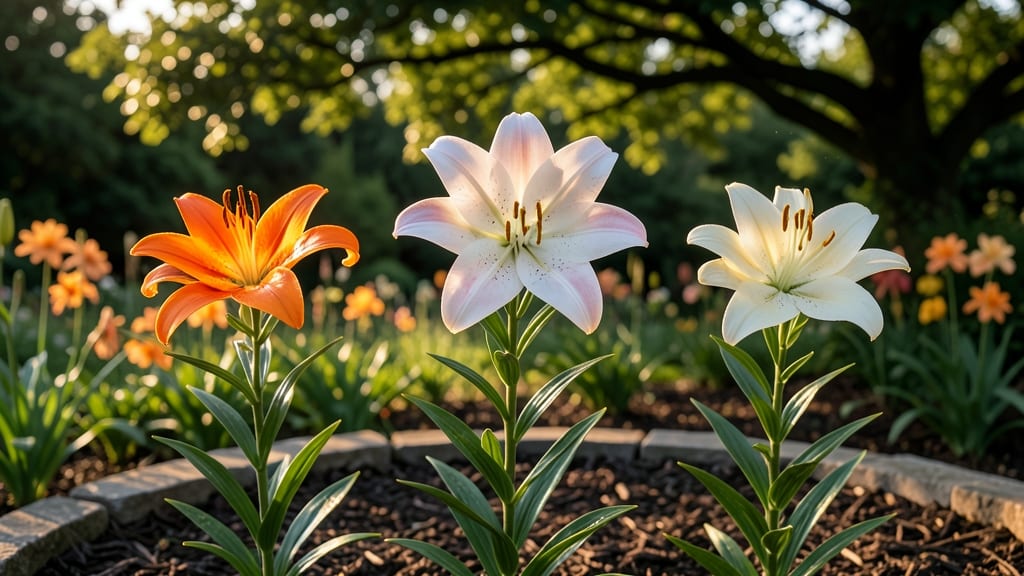
There’s nothing quite like the moment your garden transforms with lily flower season—when those bold blooms shoot up like nature’s fireworks. But here’s the catch: timing isn’t one-size-fits-all.
In USDA Zone 6a, where I’ve spent years growing lilies, the difference between planting too early or too late can mean the difference between a showstopper display and a season of disappointment.
You might assume lilies bloom all at once, but different varieties—like Asiatics, Orientals, or Trumpet lilies—have their own schedules. Some burst into color as early as June, while others hold out until August. The key? Understanding your local climate, soil prep, and even how much sunlight your garden gets.
I’ll break down exactly when to expect those 🌸 moments based on where you live, so you can plan your garden like a pro.
What if you could stretch that blooming window even further? With the right care—like strategic mulching, watering tweaks, or choosing the right varieties—you can turn a 3-week show into a 2-month spectacle.
Trust me, once you see your garden packed with lilies from early summer well into fall, you’ll never want to miss a season again.
Ready to turn your garden into a lily lover’s paradise? Let’s dive into the secrets that’ll have your plants blooming right on schedule—and keeping you in awe for months to come.
Best times for lily flower season by USDA zone (2024 guide)
Timing is everything when it comes to lily blooms, and your USDA zone determines the perfect window for Asiatic, Oriental, Trumpet, and Daylily varieties to shine.
Whether you're in the chilly Zone 3 or the warm Zone 11, each region has its own rhythm for when these stunning flowers burst into color. Understanding these patterns helps you plan your garden for maximum impact—because nothing beats a lush display of lily blooms at the right moment!
Most gardeners assume lilies bloom in summer, but the truth is far more nuanced. Early-season bloomers like Asiatic lilies often appear in late spring, while late-season varieties such as Oriental lilies can extend their show well into early fall.
Your local climate and microclimates also play a role—even within the same zone, elevation or urban heat islands can shift bloom times by weeks. Let’s break down what to expect where you live.
If you’re in Zones 3-4, focus on Asiatic lilies for early summer color—they’re the most cold-hardy and thrive in cooler climates. These varieties often bloom as early as mid-June, giving you a head start on summer displays.
For Zones 5-6, Oriental lilies steal the show with their fragrant blooms, peaking in July and August. Their extended bloom time makes them perfect for cutting gardens or late-season arrangements.
Gardeners in Zones 7-8 can enjoy Trumpet lilies, which are known for their dramatic, upward-facing blooms. These start in early July and can continue through September if you deadhead spent blooms regularly. Their rich, velvety petals add a touch of elegance to any landscape. Meanwhile, Daylilies in Zones 9-10
How to extend your lily flower season naturally (pro tips)
Want to enjoy lily blooms for weeks longer? The secret lies in strategic care that mimics their natural growing conditions. Most lilies bloom for 4-6 weeks in their prime season, but with the right approach, you can stretch that to 8-10 weeks—or even coax early or late blooms.
The key is understanding how light, water, and nutrients interact with your local climate.
Start by choosing the right lily varieties for your zone. Asiatic lilies often bloom earliest in spring, while Oriental lilies shine in late summer. Trumpet lilies are hardy and can extend your season if planted in sheltered spots.
Even a simple soil upgrade can make a massive difference—amending clay or sandy soil with compost improves drainage and nutrient retention, which directly impacts bloom duration.
⚠️ callout warning
Overwatering or fertilizing during bloom time can shorten your lily season. Too much nitrogen promotes leafy growth at the expense of flowers. Instead, switch to a low-nitrogen, high-phosphorus fertilizer (like 5-10-10) 4-6 weeks before your target bloom time.
Also, avoid pruning spent blooms—let the foliage die back naturally. This process replenishes bulb energy for next year’s blooms.
Optimize your sunlight exposure to extend blooms. Most lilies need 6+ hours of direct sun, but in hotter zones (8-11), afternoon shade can prevent wilting. Try planting them near tall shrubs or pergolas to filter harsh afternoon rays.
For cooler zones (3-6), south-facing beds maximize early-season sunlight, pushing blooms to start 2-3 weeks sooner.
Watering plays a critical role in bloom duration. Lilies hate soggy soil but need consistent moisture during bud formation. Aim for deep watering 2-3 times per week in dry spells, then taper off once blooms appear.
A 3-inch layer of mulch (like straw or wood chips) retains moisture and regulates soil temperature—both of which prolong bloom cycles. Never skip watering during bud formation, or you’ll see fewer (or smaller) flowers.
Strategic pruning and deadheading can also extend your season. Once blooms fade, snip stems at the base but leave the leaves intact. This redirects energy to future blooms on the same stem. For multi-stemmed varieties like ‘Stargazer’ lilies, you might get secondary blooms if you remove spent flowers promptly.
Just avoid cutting leaves until they yellow naturally—this ensures the bulb stores enough energy for next year.
Finally, plant bulbs in stages to create a rolling bloom display. Divide your lilies and plant 1/3 in early spring, 1/3 in late spring, and the last batch in early summer.
This staggered approach gives you blooms from June through September in most zones. Pair early bloomers like ‘Connecticut King’ with late-season varieties like ‘Casa Blanca’ for a non-stop lily show.