
Planting
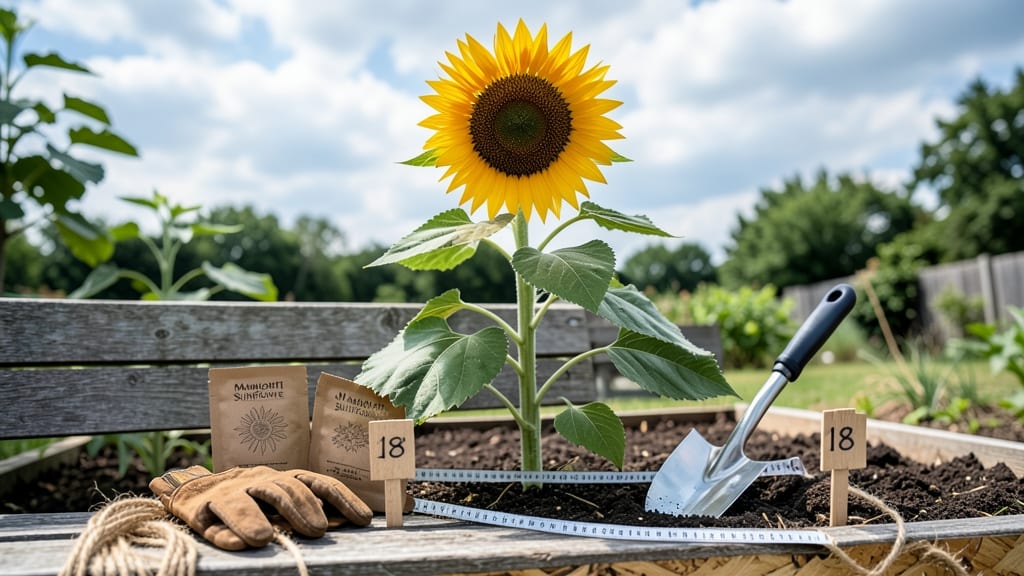
If your 🌻 mammoth sunflower plant spacing dreams are flopping instead of soaring, the problem might be right under your feet—or rather, between your plants. Proper spacing isn’t just about aesthetics; it’s the difference between 12-foot giants and weak, wobbly stalks that never reach their potential.
I’ve watched thousands of sunflowers grow, and the ones that thrive share one secret: room to breathe. Crowding them too close steals sunlight, spreads disease, and leaves you with a garden full of underwhelming blooms instead of the towering centerpieces you imagined.
But get the spacing right, and you’ll unlock stronger stems, bigger flowers, and a garden that turns heads every summer.
Whether you’re planting in 6a zones or containers, the right distance makes all the difference. Let’s break down the exact measurements, common mistakes to avoid, and how to arrange your sunflowers for maximum impact—so you can finally grow those 14-foot monsters you’ve always dreamed of.
Ready to stop guessing and start growing? Here’s everything you need to know to space your mammoth sunflowers like a pro—no flopping allowed.

Optimal mammoth sunflower spacing by planting method (in-ground vs containers)
Mammoth sunflowers can reach 12-18 feet tall, so proper spacing isn't just about aesthetics—it's about stem strength and flower health. Too close, and you'll end up with weak, leggy stalks that flop over like overgrown weeds.
Too far apart, and you waste garden space. Let's break down the perfect distances for your planting method.
For in-ground planting, spacing depends on whether you're using single rows or double rows. Mammoth sunflowers need room to stretch their leaves toward the sun, and their massive root systems demand space. In containers, the rules change entirely because you're working with limited real estate and drainage concerns.
Here's the key difference: In-ground plants get 18-24 inches between stalks, while container-grown sunflowers need only 12-15 inches apart—but with a much deeper pot (at least 18 inches deep) to accommodate their roots. The trade-off? Containers limit your height potential slightly due to root restriction.
| Planting Method | Plant-to-Plant Distance | Row-to-Row Distance | Container Size (Min) | Max Height Potential |
|---|---|---|---|---|
| In-Ground (Single Row) | 18-24 inches | 36-48 inches | N/A | 12-18 feet |
| In-Ground (Double Row) | 12-15 inches (within row) | 24-36 inches (between rows) | N/A | 10-14 feet |
| Containers (1 Plant) | N/A (Single plant) | N/A | 18" diameter x 24" deep | 8-12 feet |
| Containers (Multiple Plants) | 12-15 inches | N/A (Group in large container) | 24" diameter x 24" deep | 6-10 feet |
If you're planting single rows in-ground, give each mammoth sunflower 18-24 inches between plants. This spacing ensures their leaves can spread without shading neighbors, which is critical for those giant blooms you're dreaming of.
For double rows, reduce the within-row spacing to 12-15 inches but keep rows 36 inches apart to prevent competition.
Containers require deeper pots because mammoth sunflowers develop taproots that can grow 3-4 feet deep. A 18-inch diameter pot is the minimum for one plant, but if you're growing multiple in a single container, aim for 24 inches in diameter and space them 12-15 inches apart.
Just remember—container sunflowers won't reach their full height potential, but they'll still make a stunning statement.
Pro tip: Stake your mammoth sunflowers early, especially in containers where wind can cause them to topple. Use 3-foot stakes inserted at planting time and tie stems loosely with soft fabric to avoid damaging the thick but flexible stalks.
This gives you extra peace of mind when storms roll in.
For airflow optimization, avoid planting mammoth sunflowers in tight clusters. Even if your garden is small, interleave them with shorter plants like marigolds or cosmos to improve circulation. Poor airflow leads to fungal diseases like powdery mildew, which can ruin your showstopping blooms before they even open.
One common mistake I see is overcrowding in containers. Just because a pot is large doesn't mean you can cram in extra plants. Stick to the spacing guidelines, and your sunflowers will thrive with strong stems and vibrant flowers.
If you're unsure, start with one mammoth sunflower per container and observe how it grows before adding more.
Finally, consider your garden layout. Mammoth sunflowers make excellent backdrops for vegetable gardens or pollinator-friendly borders. Plant them along fences or property lines where their height can be fully appreciated. Just remember: the wider the spacing, the taller and healthier your sunflowers will grow.
With the right spacing, your mammoth sunflowers will reach for the sky and reward you with dramatic, sun-soaked blooms that turn your garden into a summer showstopper. 🌻
How spacing affects sunflower growth: common mistakes and fixes
When I first planted mammoth sunflowers, I made a classic mistake: I squeezed them too close together. What I thought would create a lush, dense border ended up producing weak, spindly stalks that barely reached 6 feet—nowhere near their 12-14 foot potential.
Proper spacing isn’t just about aesthetics; it directly impacts stem strength, flower size, and even disease resistance. Without enough room, your sunflowers will compete for sunlight, water, and nutrients, leaving you with a garden full of underachievers.
Overcrowding creates a perfect storm of problems: fungal diseases spread faster in humid conditions, pests find more hiding spots, and nutrient depletion happens quicker.
I’ve seen gardens where sunflowers were planted just 12 inches apart—by mid-summer, they were leaning, their leaves yellowing, and their blooms barely half the size they should’ve been. The good news?
Fixing spacing issues mid-season is easier than you think, and it can still save your plants from a disappointing harvest.
Here’s the hard truth: mammoth sunflowers need space. The ideal distance between plants is 18–24 inches apart in all directions, with rows spaced 3 feet apart for maximum airflow.
This might seem like a lot, but trust me—your sunflowers will thank you with thicker stems, larger blooms, and the ability to reach their full height without toppling over.
If you’re working with limited space, consider planting in double rows with a 3-foot alley between them for easy access and better light penetration.
⚠️ Warning: Mammoth Sunflower Spacing Pitfalls
Planting mammoth sunflowers closer than 18 inches risks:
- Weak stems that snap in wind or rain
- Powdery mildew from poor airflow
- Stunted growth due to nutrient competition
- Smaller blooms (half the expected size)
If you’ve already planted your mammoth sunflowers too close, don’t panic. The key is to thin them early—ideally when they’re 4–6 inches tall. Gently pull out the weakest seedlings, leaving the strongest ones spaced 18–24 inches apart.
This might feel brutal, but it’s better than watching your entire crop struggle. For established plants that are already crowded, you can transplant them into larger pots or a different garden bed, though this works best with smaller seedlings. Just be gentle with the roots to avoid shocking the plants.
Another common mistake is ignoring row orientation. Planting sunflowers in north-south rows maximizes sunlight exposure, while east-west rows can lead to shading issues. I’ve seen gardens where sunflowers were planted in tight east-west rows, and by midday, the inner plants were barely getting any light.
To fix this, consider rearranging your layout or adding taller plants on the north side of your sunflowers to block wind while still allowing sunlight to reach all sides.
For container growers, the rules are even stricer. Mammoth sunflowers need at least a 12-inch diameter pot and should be spaced 24 inches apart if growing multiple in one container. I once tried growing three mammoth sunflowers in a 15-gallon pot—big mistake.
By summer, they were fighting for space, and only one produced a decent bloom. If you’re container gardening, prioritize one strong plant per large container and place pots where they’ll get full sun all day.
Mulching around the base helps retain moisture and reduces competition from weeds, giving your sunflowers the best chance to thrive.
Remember, proper spacing isn’t just about the numbers—it’s about creating an environment where your sunflowers can grow tall, stay healthy, and bloom spectacularly. Take the time to plan your layout, thin early, and give your giants the room they deserve.
Your future 12-foot sunflowers will thank you with bold, golden blooms that steal the show every summer. 🌻