
Mower
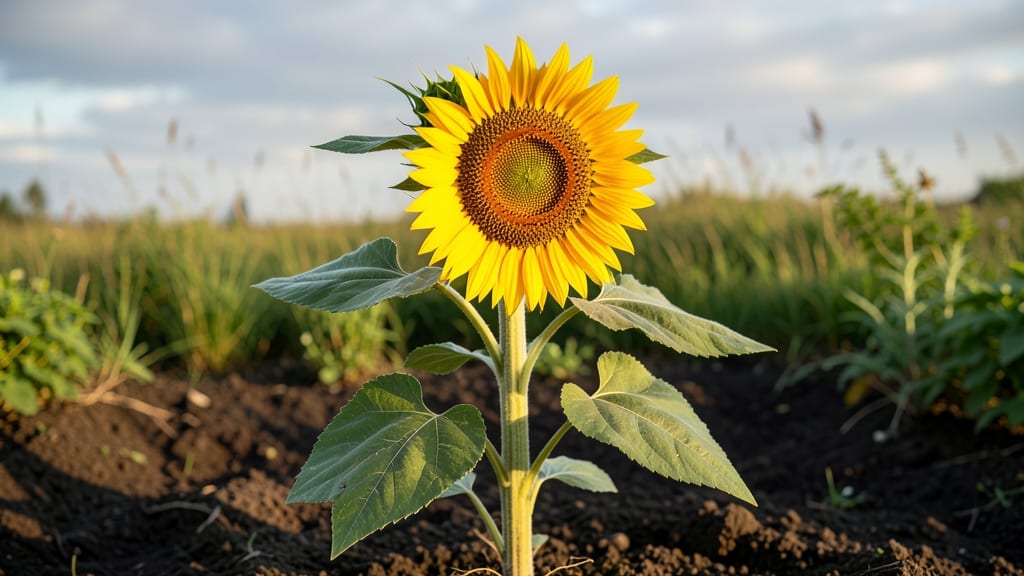
If you're dreaming of a Mongolian giant sunflower that could outgrow your garden fence—or even your house—its height is what makes it a true marvel.
These towering beauties aren't just pretty; they're height champions, often stretching 15 to 20 feet tall under ideal conditions, making them the undisputed giants of the sunflower world.
But here's the catch: their staggering size isn't just for show. Proper spacing and care are the keys to unlocking their full potential.
Without the right setup, you might end up with lanky, unstable stems that struggle to support their own weight—or worse, get blown over by the first strong breeze. I’ve seen firsthand how a little extra attention at planting time can turn a wobbly 10-footer into a proud 18-foot skyscraper.
Whether you're comparing them to dwarf varieties or wondering how to give them the room they crave, I’ve got the insights.
From optimal spacing tips to the best ways to support their growth, you’ll learn exactly what it takes to grow a sunflower that feels like it belongs in a cathedral, not just your backyard. Let’s get those roots growing!
Ready to turn your garden into a sunflower wonderland? The secret starts with understanding how tall these giants really get—and how to help them reach their full glory. Trust me, your neighbors will be asking for tips once they see yours standing tall in the sky.

How tall do Mongolian giant sunflowers grow? Realistic height expectations
The Mongolian Giant Sunflower (Helianthus giganteus) is a true marvel of nature, capable of reaching heights that dwarf most garden plants. Under ideal conditions, these sunflowers can grow between 12 to 20 feet tall, making them one of the tallest sunflower varieties available.
Their towering presence isn't just for show—it’s the result of careful cultivation, genetic potential, and the right growing conditions. If you're planning to grow these giants, understanding their height range and what influences it is key to achieving those breathtaking results.
For most gardeners, a 15-foot Mongolian Giant Sunflower is the realistic expectation when provided with full sun exposure, well-draining soil, and consistent moisture.
However, in perfect conditions—like those found in USDA Zones 6-9—some specimens have been documented to exceed 20 feet, rivaling the height of a two-story house. These record-breaking plants often require extra care, including staking for support and rich, nutrient-dense soil to fuel their rapid vertical growth.
🌱
The height of a Mongolian Giant Sunflower is heavily influenced by climate and location. In warmer, sunnier regions like the Southwestern U.S. or Mediterranean climates, these sunflowers often grow taller due to longer growing seasons and intense sunlight.
Conversely, in cooler northern climates, their growth may be stunted if planted too early, leading to heights closer to 10–12 feet unless extended with protective measures like row covers or greenhouses.
Soil quality plays a critical role in determining how tall your Mongolian Giant Sunflower will grow. These sunflowers thrive in loamy, well-draining soil with a pH between 6.0 and 7.5.
Poor soil drainage or compacted clay can restrict root growth, limiting the plant’s ability to absorb water and nutrients needed for vertical expansion. Amending your soil with compost or aged manure before planting can significantly boost height potential by providing essential nutrients like nitrogen, phosphorus, and potassium.
Sunlight is another non-negotiable factor for maximizing height. Mongolian Giant Sunflowers require at least 6–8 hours of direct sunlight daily, but more is better. In my garden, I’ve noticed that plants receiving full sun exposure (8+ hours) grow 2–3 feet taller than those in partial shade.
If you’re in a shadier climate, consider planting them near the south or west side of your property to capture the most sunlight possible.
💧
Watering practices also impact height, especially during the critical growth phases. Young seedlings need consistent moisture to establish strong roots, while mature plants benefit from deep watering 2–3 times per week during dry spells.
Overwatering or underwatering can both stunt growth—overwatering leads to root rot, while underwatering causes stress that limits stem elongation.
I recommend using a soaker hose or drip irrigation system to deliver water directly to the root zone without wetting the foliage, which helps prevent fungal diseases that can weaken the plant.
One of the most exciting aspects of growing Mongolian Giant Sunflowers is the potential for record-breaking heights. While most gardeners will see plants in the 15–18 foot range, some dedicated growers have documented specimens exceeding 20 feet.
For example, a Mongolian Giant Sunflower grown in California’s Central Valley reached an astonishing 23 feet tall in 2019, thanks to ideal soil, consistent watering, and staking. To encourage such growth, consider pruning side shoots early in the season to redirect the plant’s energy into a single, towering stem.
If you’re growing Mongolian Giant Sunflowers in a windy area, their height can become a liability. Strong winds can snap stems or cause the plant to lean, reducing both aesthetics and structural integrity.
To mitigate this, install bamboo stakes or cages at planting time and tie the main stem loosely to the support as it grows.
In my experience, reinforcing stakes every 3–4 feet helps distribute wind pressure and keeps the plant upright, allowing it to reach its full height potential without toppling over.
🌳
For those new to growing Mongolian Giant Sunflowers, it’s helpful to compare their height to familiar objects. A mature Mongolian Giant Sunflower typically stands taller than a standard basketball hoop (10 feet) but **shorter
Optimal spacing for Mongolian giant sunflowers to maximize height & stability
To coax your Mongolian Giant Sunflowers into reaching their full 15–20-foot potential, spacing is everything. These sunflowers aren’t just tall—they’re massive, with stems that can reach 6 inches thick at maturity.
Crowd them too close, and you’ll end up with stunted growth or weak stems that topple under their own weight. I’ve learned the hard way that 3–5 feet apart is the golden rule, but there’s more to it than just the numbers.
Think of it like giving each plant its own personal space to spread roots and soak up sunlight without competing neighbors. In my Zone 6a garden, I’ve found that spacing them 4–5 feet apart yields the tallest, most stable plants.
The extra room lets their taproots dive deep for nutrients and water, which is critical during their rapid growth phase from June to August.
Here’s the science-backed breakdown you need to maximize their height and stability:
- 3–5 feet apart: The optimal spacing for mature height. Any closer, and you risk root competition and weak stems.
- 5 feet in windy areas: If your garden gets strong breezes, wider spacing prevents stem damage and reduces wind resistance.
- Companion plants: Pair with low-growing companions like marigolds or borage to fill empty space without stealing nutrients.
- Stakes or cages: Install 3-foot stakes at planting to support stability—even with proper spacing, tall stems need backup.
- Avoid overcrowding: More than 3 plants per 100 sq ft will stunt growth due to nutrient depletion.
When planning your layout, consider the mature height of nearby structures. If your fence is only 6 feet tall, these sunflowers will dwarf it by summer’s end. I recommend placing them along fences or trellises to lean slightly, which can actually increase stability by distributing weight.
Just ensure the support is buried at least 18 inches deep to prevent toppling.
Another pro tip? Rotate crops if you plant sunflowers yearly. Their deep roots can deplete soil nutrients over time, so I mix in compost and phosphorus-rich fertilizer every 2–3 years to keep the soil fertile. This small step makes a huge difference in their final height.
For those in wind-prone regions, I swear by windbreaks—even a row of corn or tall grasses on the windward side can reduce stem stress. Last summer, a 16-foot sunflower in my garden withstood a 40 mph gust thanks to a bamboo stake system and strategic spacing.
Don’t underestimate the power of a little preventative support!
Remember, the goal isn’t just height—it’s healthy, stable growth. With the right spacing and supports, your Mongolian Giants will reward you with sky-scraping beauty that turns heads (and maybe even a few jealous glances from neighbors). Happy planting! 🌻