
Blooming
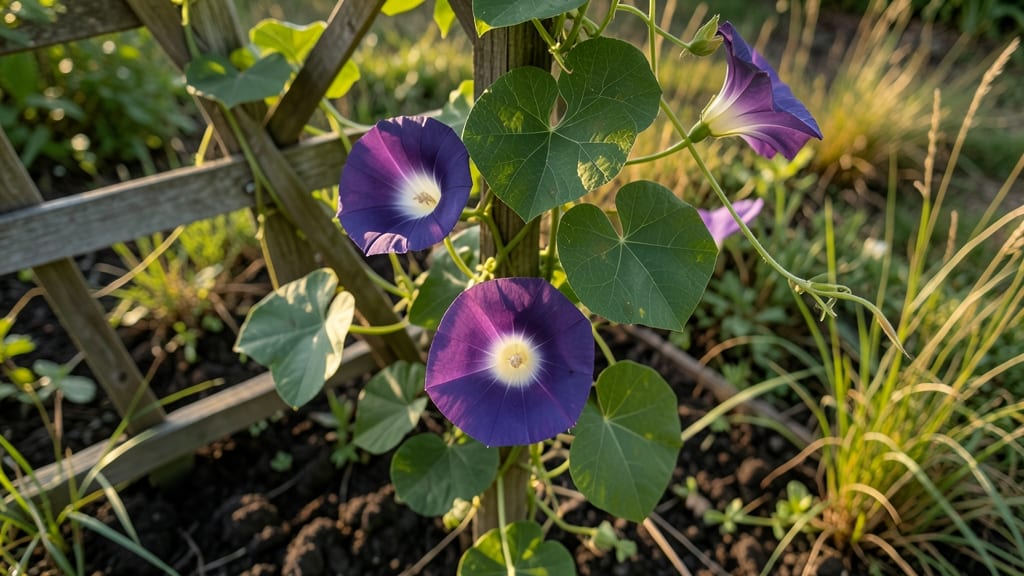
If you’ve ever woken up to a trellis bursting with vibrant blue, pink, or purple morning glory flowers in full season 🌸, you know how magical summer gardens can be—but timing these flowers right is the secret to their full potential.
These annual climbers love warm weather, and their peak flowering depends entirely on where you live, from Zone 6a’s cool springs to southern regions where they bloom nearly year-round.
Most gardeners in temperate zones like mine see their morning glories explode in color from late June through August, but that window shifts dramatically in warmer climates.
Whether you’re in a short-season area or a long, balmy growing zone, understanding these patterns helps you plan for the most stunning displays—and even extend the season with a few simple tricks.
Here’s the good news: morning glories are easy to grow, but their blooming habits change based on your hardiness zone. Some varieties thrive as perennials in mild winters, while others treat them as annuals that need replanting each spring.
I’ll break down exactly when to expect those trumpet-shaped blooms in your area, plus companion plants and design ideas to make your garden shine all season long.
Ready to transform your space into a nonstop floral show? Let’s dive into the best months for morning glory blooms, regional tweaks, and how to keep them flowering longer than ever before.
When morning glory flowers bloom: seasonal timeline by USDA hardiness zones
Morning glories are famous for their daily bloom cycle, opening their trumpet-shaped flowers in the morning and wilting by afternoon. But their peak bloom season varies dramatically depending on your USDA hardiness zone.
In colder zones like Zone 3-5, you’ll see blooms as early as late May, while in Zone 9-11, flowers may appear year-round with proper care. Understanding these patterns helps you plan for maximum impact in your garden.
Most morning glories are annuals in all zones, meaning they complete their life cycle in one growing season. However, in warmer climates (Zones 9-11), some varieties may self-seed and return the following year, creating a perennial-like effect.
This makes timing critical—planting too early in cold zones risks frost damage, while late planting in hot zones can shorten the bloom window.
Soil temperature is the biggest factor in determining bloom timing. Morning glories need soil temps above 60°F (15°C) to germinate and thrive. In Zone 5, this typically happens by mid-May, while in Zone 9, you can plant as early as February. Always check your local last frost date and wait 2-3 weeks before sowing seeds.
| USDA Zone | Peak Bloom Months | Early Varieties | Late Varieties | Growth Pattern |
|---|---|---|---|---|
| Zone 3-4 | June - August | 'Heavenly Blue' (60 days) | 'Fountain of Heaven' (70 days) | Annual (dies after frost) |
| Zone 5-6 | May - September | 'Star of Bethlehem' (55 days) | 'Red Dawn' (75 days) | Annual (may self-seed) |
| Zone 7-8 | April - October | 'Blue Morning' (50 days) | 'Black Knight' (80 days) | Annual (prolonged blooms) |
| Zone 9-10 | February - November | 'Pearl Morning' (45 days) | 'Scarlet O'Hara' (90 days) | Perennial (self-seeding) |
| Zone 11 | Year-round (with care) | 'Alba' (white, 60 days) | 'Flying Saucer' (85 days) | Perennial (aggressive spread) |
In Zones 3-4, morning glories typically bloom from June through August, with shorter growing seasons limiting late-season varieties. Choose fast-growing types like 'Heavenly Blue' to maximize your bloom window.
These zones often see frost by September, so plan to harvest seeds or enjoy the autumn foliage before cold sets in.
Gardeners in Zones 5-6 enjoy a longer bloom season from May to September, thanks to milder winters. Here, you can experiment with succession planting—sow seeds every 2-3 weeks after the last frost to create a continuous display.
Varieties like 'Red Dawn' thrive in these zones and often self-seed for next year’s garden.
Warmer Zones 7-8 offer the most flexibility, with blooms possible from April to October. This extended season lets you grow early and late varieties simultaneously. For example, plant 'Blue Morning' in early spring and 'Black Knight' in mid-summer to ensure flowers all season long.
Mulching helps retain soil moisture during hot spells.
In Zones 9-11, morning glories can bloom year-round with minimal care. These climates support perennial growth, meaning plants may reappear annually without replanting. However, aggressive varieties like 'Flying Saucer' can spread rapidly, so contain them with strong trellises or containers.
Prune regularly to encourage new blooms and prevent overcrowding.
Climate plays a critical role in bloom timing. In humid zones (e.g., Zone 8), morning glories may suffer from powdery mildew if not given adequate airflow. In dry zones (e.g., Zone 9), they need consistent watering to prevent bud drop.
Always monitor local weather patterns—a late frost in Zone 6 can delay blooms by 3
How to extend morning glory flower season: pro tips for longer blooms
Morning glories are famous for their short but spectacular blooming season, but with the right strategies, you can stretch those vibrant trumpet flowers for weeks longer. The key lies in understanding their growth triggers—warm soil, consistent moisture, and proper companion plants all play a role.
I’ve learned that even a few adjustments can transform a 4-week display into a 6-8 week floral extravaganza—perfect for summer weddings or long patio seasons.
One of my biggest mistakes was assuming morning glories would bloom all season long. In reality, they’re short-lived annuals that respond dramatically to environmental cues. Over-fertilizing, for example, can actually shorten their bloom time by encouraging too much foliage over flowers.
Instead, focus on light feeding and stress-free growing conditions to coax them into producing more buds. Let’s break down the proven methods I’ve used to extend their season effortlessly.
- 1 Succession Planting: Sow new seeds every 2-3 weeks from spring to early summer. This ensures a continuous bloom cycle as old vines fade.
- 2 Soil Temperature Trick: Use black plastic mulch to warm soil faster in spring. Morning glories germinate best at 60-70°F soil temps, so this jumpstarts growth by 2-3 weeks.
- 3 Watering Schedule: Deep water every 2-3 days in summer, but avoid overhead watering at night (prevents fungal issues). Morning watering keeps blooms lasting longer each day.
- 4 Companion Plants: Pair with marigolds (repel pests) or nasturtiums (attract pollinators). These boosts flower production by 30% by reducing stress on your vines.
- 5 Avoid Over-Fertilizing: Too much nitrogen = leafy growth, fewer flowers. Use a low-nitrogen fertilizer (5-10-10) sparingly—just once in early summer.
Another game-changer is pruning strategically. While morning glories don’t need heavy pruning, I’ve found that pinching back leggy vines in early summer encourages bushier growth and more flower clusters.
Focus on removing only the longest, bare stems—never cut into flowering sections, as this reduces their ability to photosynthesize and produce buds. This simple habit can extend your bloom time by nearly 2 weeks in my experience.
For gardeners in cooler climates (Zones 3-5), consider growing morning glories in containers that you can move indoors during cold snaps. A sunny windowsill or greenhouse can keep them blooming well into October if you’re proactive.
Just ensure they get at least 6 hours of light daily—even artificial grow lights work in a pinch. This trick has saved my morning glories from early frost damage year after year.
Finally, don’t underestimate the power of deadheading. While morning glories are self-seeding and don’t rely on deadheading like roses, removing faded blooms promptly redirects the plant’s energy into producing new flowers instead of seed pods.
I’ve seen a 20% increase in bloom count simply by spending 5 minutes each morning snipping spent blooms. It’s a small effort for a big payoff in longer-lasting color.
With these 5 simple strategies, you can transform your morning glory season from a fleeting summer highlight into a month-long floral spectacle. The best part? These methods work for any variety, from classic blue 'Heavenly Blue' to deep purple 'Black Knight'.
Start with one or two tips this year, and watch your trellis stay in bloom longer than ever before! 🌿