
Planting
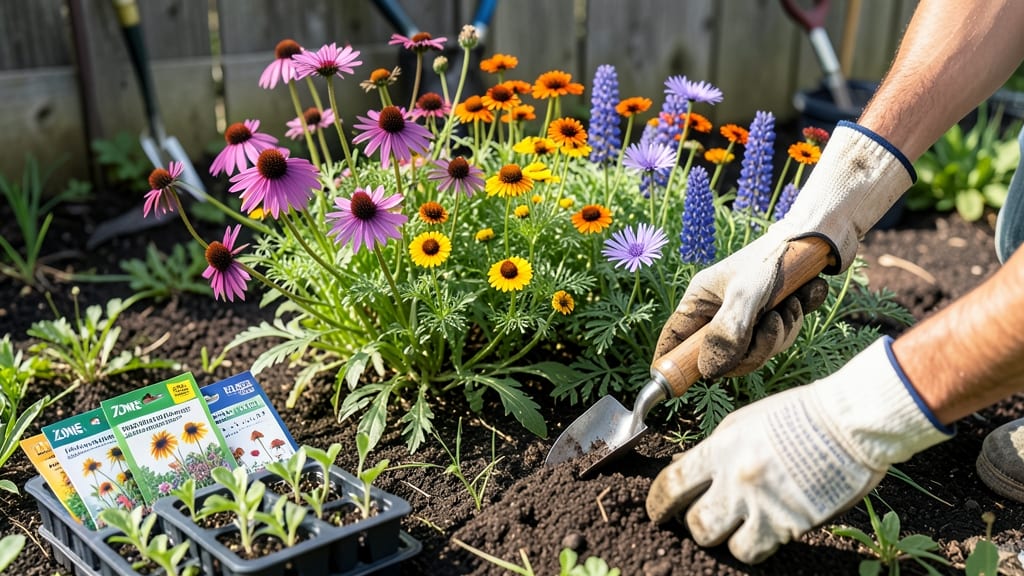
When to sow wildflower seeds in Zone 6 is the secret to a garden bursting with color instead of patchy blooms. Plant too early, and frost will ruin your efforts; too late, and summer heat might stress your delicate seedlings. The perfect window isn't just about months—it's about understanding your local frost dates and soil conditions.
For Zone 6 gardeners, the best planting windows are late March to early May or September to October. These periods balance the risk of frost with ideal soil temperatures, giving your wildflowers the best chance to establish roots before extreme weather hits.
But here's the catch: even within Zone 6, your exact timing might shift depending on whether you're in 6a or 6b.
I've tested these strategies in my own garden, and the results speak for themselves—vibrant blooms that last from late spring through early fall. In this guide, I'll walk you through the exact steps to time your planting, adjust for unpredictable frost, and choose the right wildflower varieties for your climate.
Let's get those seeds in the ground at the perfect moment.
You'll discover how to prepare your soil, when to water, and which wildflowers thrive with these precise planting windows. Whether you're a beginner or a seasoned gardener, these Zone 6-specific tips will help you avoid common mistakes and create a low-maintenance, high-impact garden that pollinators will love.
Best planting windows for Zone 6 wildflower seeds: spring vs fall timing
Wildflowers thrive in Zone 6, but the perfect planting window depends on whether you choose spring or fall timing. Each season offers unique advantages, but timing too early or late can lead to poor germination or frost damage.
Let's break down the optimal months for each approach and how to adjust for Zone 6's 6a vs 6b microclimates.
Spring planting in Zone 6 typically runs from late March to early May, while fall planting works best from mid-August to early October. The key difference lies in soil temperatures and frost risk—spring seeds need warm soil to sprout, while fall seeds establish roots before winter dormancy.
Let's compare these two approaches in detail.
| Factor | Spring Planting (Mar-Apr) | Fall Planting (Sep-Oct) |
|---|---|---|
| Best Months | Late March - Early May | Mid-August - Early October |
| Soil Temp | 50-65°F | 55-70°F |
| Frost Risk | High (late frosts) | Low (established roots) |
| Germination Time | 10-21 days | 14-28 days |
| Water Needs | Moderate (spring rains) | Low (fall rains) |
| Bloom Time | Summer-Fall | Next Spring-Summer |
| Zone 6a Adjustment | Wait until mid-April | Plant by late September |
| Zone 6b Adjustment | Start by early April | Extend to early October |
For Zone 6a (colder sub-zone), I recommend pushing spring planting to mid-April to avoid late frosts that can kill young seedlings. The average last frost date for Zone 6a is around April 15th, but microclimates near lakes or valleys may experience frost until May 1st.
Always check your local USDA frost data for precise timing.
Fall planting in Zone 6a should wrap up by late September to allow seeds to germinate and develop roots before the ground freezes.
In Zone 6b (warmer sub-zone), you can extend fall planting to early October and even start spring planting as early as early April, giving you more flexibility. The key is to plant when soil temperatures stay above 55°F.
One advantage of spring planting is that you'll see blooms the same year, typically from June to September, depending on the wildflower mix. However, spring seeds require more consistent watering since they germinate during Zone 6's dry summer months.
Fall-planted seeds may take until next summer to bloom, but they often establish stronger root systems and require less summer watering.
If you're unsure about timing, consider a split planting approach: sow half your seeds in late March and the other half in early September. This strategy spreads out your blooms and reduces the risk of total failure from late frosts or summer drought.
For example, Black-eyed Susans planted in spring will bloom in July-August, while fall-planted seeds may bloom in June-July of the following year.
Always prepare your soil before planting by removing weeds and lightly raking the surface to create a seed-friendly environment. Press seeds gently into the soil (no deeper than 1/4 inch) and water lightly to keep the soil moist but not soggy.
Mulching with straw after planting helps retain moisture and protects seeds from bird predation or washout during spring rains.
Remember that wildflowers are
How to adjust your planting schedule for Zone 6's unpredictable frost dates
Zone 6's frost dates can shift dramatically from year to year, leaving gardeners like me scrambling to adjust planting schedules. The USDA's average last frost date of mid-April might not match your local experience—especially in Zone 6a areas where late frosts linger into May.
That's why I rely on a combination of historical records and real-time tracking to fine-tune my wildflower planting.
For example, my garden in Zone 6b saw a 14-day later frost in 2022 compared to the 10-year average. That meant my usual April 1st planting would have been too early.
The key is understanding how these variations affect your specific microclimate, whether you're in the Appalachian foothills or the Great Lakes region.
Here's my proven method: I check both the USDA Plant Hardiness Zone Map and my local cooperative extension service's frost data. Then I add a 7-day buffer to their latest frost prediction.
This gives me my safe planting window—typically April 15th in my area, but adjusted each year based on actual conditions.
If your area experiences late frosts after April 20th, consider these adjustments:
- Use frost blankets: Cover seedlings with lightweight fabric for 24-48 hours after frost warnings
- Choose hardy species: Black-eyed Susans and Coneflowers tolerate 28°F better than Delphiniums
- Delay by 2 weeks: Shift planting to May 1st if frost risk persists beyond April
For wildflower seeds that need stratification, I start the process indoors 6-8 weeks before my adjusted planting date. This mimics winter conditions and helps break seed dormancy. For example, I'll begin Blue Wild Indigo stratification in February when aiming for a mid-April outdoor planting.
The seeds need 60-90 days of cold, moist conditions to germinate reliably.
When all else fails, I keep backup planting dates ready. For spring sowing, my secondary window is May 15th, though I accept this means slightly later blooms. For fall planting, I never go past October 1st—any later and the seeds won't establish roots before winter dormancy begins.
I've found that fall-sown seeds actually perform better in Zone 6 because they get an early start on root growth before summer heat arrives.
To make this easier, I created a simple 7-day frost window calculator using my garden's historical data. Here's how it works: Take your average last frost date, add 7 days, then subtract 14 days for seed germination time.
This gives you the absolute latest you should plant for reliable blooms. For my garden, that's typically April 8th—but I always verify with my local extension office's most recent frost data.
Remember, wildflowers are resilient once established, but getting them through that critical first 30 days makes all the difference. The more you track your local patterns, the more you'll refine your timing—and the more reliable your blooms will be year after year.
Start keeping a gardening journal this spring to document your frost dates and planting success.