
Flowers
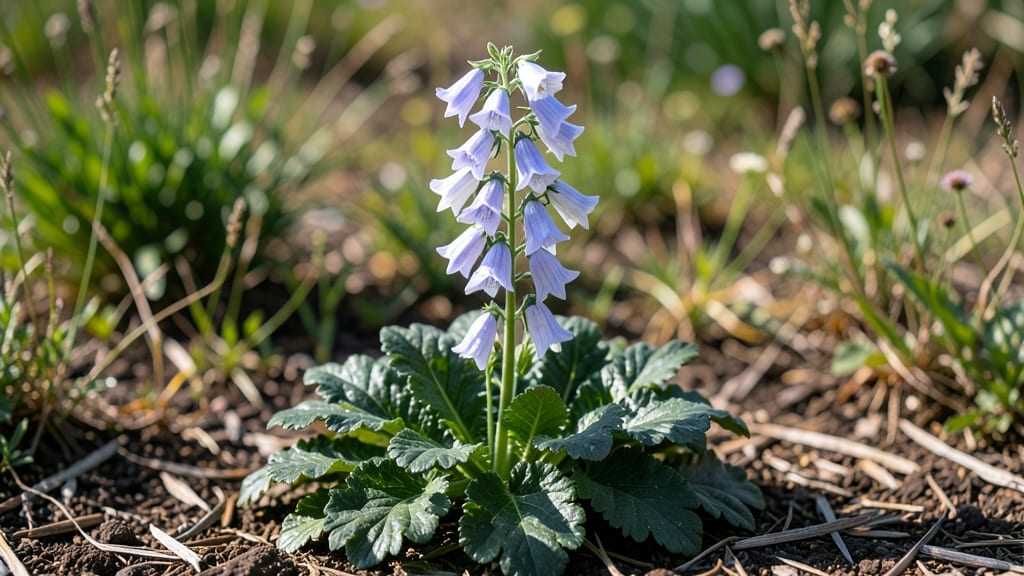
If you’ve ever dreamed of growing your own edible garden gem that looks like something out of a fairy tale, the real Rapunzel flower (Campanula rapunculoides) is your ticket to a magical harvest.
This isn’t just another pretty face—it’s a powerhouse plant with towering, crunchy stems you can snack on straight from the garden, no Rapunzel tower required.
What makes this 🌸 Campanula Rapunculoides so special? Unlike most ornamental flowers, its stems are packed with nutrients and a mild, slightly sweet flavor—perfect for salads, stir-fries, or even fermented pickles.
And here’s the kicker: you can go from seed to harvest in just 60 days, making it one of the fastest-growing edible plants for impatient gardeners.
But here’s where most guides fall short: they treat it like a delicate flower, not the hardy, low-maintenance superstar it is. I’ll show you exactly how to plant, care for, and harvest this towering edible—plus how to troubleshoot common mistakes before they derail your garden dreams.
Ready to turn your garden into a Rapunzel-inspired feast? Let’s dive into the easiest, fastest way to grow these edible stems—and why they’re about to become your new favorite garden hero.
How to grow Rapunzel flower from seeds: a 60-Day harvest guide
Growing real Rapunzel flower (Campanula rapunculoides) from seeds is simpler than you think, and your garden will transform into a fairy-tale landscape in just 60 days. This hardy perennial produces edible stems that taste like a cross between asparagus and cucumber, packed with vitamin C and fiber.
The key to success lies in proper seed starting, soil prep, and a consistent watering schedule. Let’s dive into the step-by-step process to ensure your Rapunzel flower thrives and delivers a bountiful harvest.
The magic begins with seed selection. Purchase high-quality, organic seeds from a reputable supplier to avoid leggy seedlings or poor germination. Since Rapunzel flower seeds are tiny, consider mixing them with sand for easier sowing.
Start indoors 8-10 weeks before your last frost date, or sow directly in the garden after soil temperatures reach 50°F. This timing ensures your plants are robust enough to handle transplanting or direct exposure to outdoor conditions.
Now, let’s get practical with your Rapunzel flower growing plan. Follow these steps to maximize your success:
Fill seed trays with sterile seed-starting mix. Plant seeds 1/4 inch deep, spacing them 1 inch apart. Cover lightly with soil and mist with water. Place trays under grow lights or in a sunny window, maintaining 65-70°F soil temperature for optimal germination.
Choose a sunny to partially shaded spot with well-draining soil. Amend the soil with compost to improve fertility. Rapunzel flower thrives in slightly acidic to neutral soil (pH 6.0-7.0). Space plants 12-18 inches apart to allow room for their towering stems.
Begin hardening off seedlings 10-14 days before transplanting. Gradually expose them to outdoor conditions, starting with 1-2 hours daily and increasing over time. This process strengthens seedlings and reduces transplant shock.
Transplant seedlings outdoors after the last frost, ensuring soil is warm and moist. Dig holes slightly larger than the root ball and plant seedlings at the same depth as their containers. Water thoroughly to settle the soil and encourage root growth.
Water deeply once a week during the first month, ensuring the top 2 inches of soil remain moist. Increase frequency to every 5-7 days during hot, dry spells. Avoid overhead watering to prevent fungal diseases like powdery mildew.
Apply a balanced fertilizer (10-10-10) every 4-6 weeks during the growing season. Mulch around the base with straw or wood chips to retain moisture and suppress weeds. This step is crucial for maintaining healthy, crunchy stems.
One of the most common pitfalls when growing Rapunzel flower is dealing with leggy seedlings. If your seedlings stretch toward the light, it’s a sign they need more sunlight.
Move them closer to a south-facing window or under grow lights immediately. Leggy seedlings are more prone to breaking during transplanting, so take extra care when handling them.
Slow germination is another challenge, but don’t worry—it’s normal for Rapunzel flower seeds. They can take 2-4 weeks to sprout, especially in cooler conditions. To speed up the process, maintain consistent moisture and warmth.
If germination rates are low, consider soaking seeds in lukewarm water for 24 hours before sowing to soften the seed coat.
Once your Rapunzel flower plants are established, they’ll reward you with towering stems that can reach 5-6 feet tall. To encourage robust growth, provide support if needed, especially in windy areas. A simple trellis or stake can help keep stems upright and make harvesting easier.
Remember, the goal is to maximize stem production, so avoid over-fertilizing with nitrogen, which can lead to lush foliage but fewer edible shoots.
By following this 60-day harvest guide, you’ll be well on your way to growing a thriving Rapunzel flower patch. In just two months, you’ll have a garden full of edible, nutrient-rich stems ready to be enjoyed in salads, stir-fries, or even fermented as a tangy pickle. Happy growing!
Edible Rapunzel flower stems: harvesting, tasting, and nutritional benefits
The moment you’ve been waiting for arrives when your Rapunzel flower stems reach 12-18 inches tall—that’s your cue to start harvesting. These crunchy, slightly sweet shoots are best picked in the morning after dew dries for peak flavor and texture.
Use sharp clean scissors to snip stems just above the soil line, leaving at least 6 inches to encourage regrowth.
Timing is everything: harvest stems when they’re firm and upright but before the flowers fully open. Overharvesting can stress the plant, so space out cuts by 2-3 weeks between sessions. Pro tip: Freeze harvested stems in water for up to 3 months to enjoy year-round.
🌿
Rapunzel Flower Stem Uses: Pros & Cons
✅ Peppery kick
⚠️ Wilt faster than greens
✅ Absorbs flavors
⚠️ Requires quick cooking
✅ Preserves nutrients
⚠️ Longer fermentation time
Nutritionally, these edible stems are a hidden gem packed with vitamin C (boosts immunity), potassium (supports heart health), and dietary fiber (aids digestion). A 1-cup serving delivers 15% of your daily vitamin C—more than an orange!
The peppery-sweet flavor pairs perfectly with goat cheese, citrus salads, or Asian-inspired dishes.
For best results, avoid harvesting mature flowers—they’re less tender and more bitter. Instead, focus on the younger shoots (under 1/4-inch thick) for the mildest taste. Store harvested stems in the fridge for up to 5 days wrapped in a damp paper towel to maintain crispness.
🌱
Don’t let the fairy-tale name fool you—this plant is hardier than it looks. With the right harvesting techniques, you’ll enjoy a continuous harvest from June through August, turning your garden into a self-sustaining snack station.
Try swapping celery or rhubarb with Rapunzel stems in your next recipe—your taste buds (and nutrients) will thank you!