
Flowers
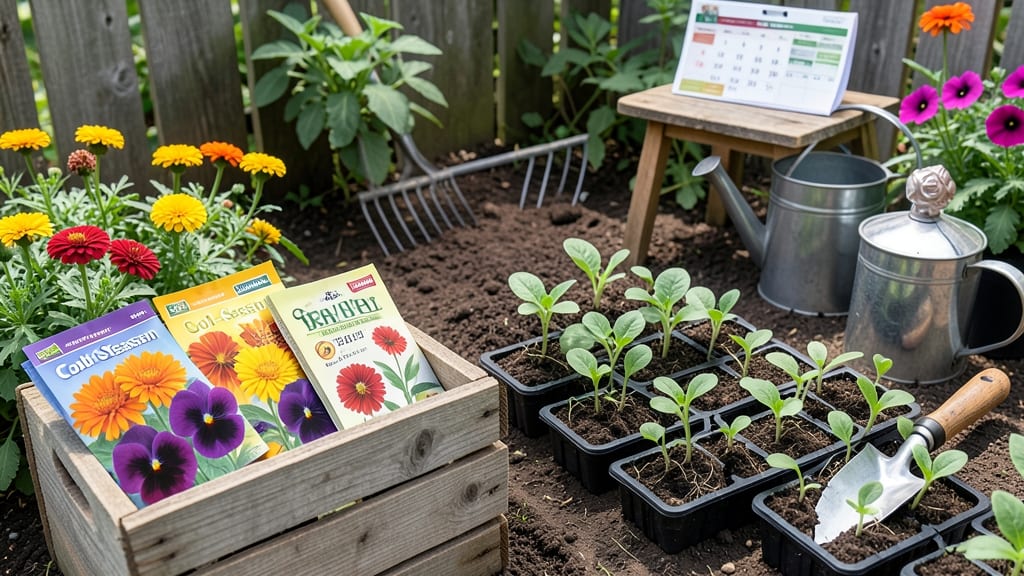
Planting your flower seeds at the right time in Zone 6 can transform your garden from a disappointing patch of dirt to a vibrant, blooming paradise 🌸—but get it wrong, and you might be waiting all season for those petals to pop.
The key is understanding your last frost dates—typically between mid-April and early May—and how they dictate when to start seeds indoors or sow them directly outside. Whether you're growing sun-loving zinnias or shade-tolerant impatiens, timing matters more than you think.
In this guide, I’ll break down the exact planting windows for both spring and fall, including which flowers thrive with early starts and which can handle late sowings. You’ll also learn how to adjust for your specific sub-zone (6a vs. 6b) and extend your blooming season with smart techniques.
No more guessing games—just a foolproof plan to ensure your garden bursts with color from summer through fall. Let’s get those seeds in the ground the right way!
Zone 6 frost dates & ideal planting windows for flower seeds
Understanding Zone 6 frost dates is the first step to a thriving flower garden. In this zone, the average last frost date typically falls between mid-April and early May, while the first frost arrives around mid-October to early November.
These dates create a 150-180 day growing season, which is perfect for both annual and perennial flowers when timed correctly.
Soil temperature plays a critical role in seed germination. Most flower seeds need soil to reach at least 50-60°F (10-15°C) before planting. Using a soil thermometer can help you avoid planting too early, which can lead to poor germination or seed rot.
In Zone 6, this usually aligns with late April to early May for most varieties.
Your planting window isn't just about frost dates—it's also about the type of flower you're growing. Cold-hardy annuals like snapdragons and sweet peas can be sown as early as March, while tender varieties like zinnias and marigolds should wait until after the last frost. Perennials often benefit from fall planting, giving roots time to establish before winter.
| Flower Type | Ideal Planting Window | Soil Temp Threshold | Notes |
|---|---|---|---|
| Cold-Hardy Annuals | March-April (direct sow) or February (indoors) | 45-55°F (7-13°C) | Snapdragons, sweet peas, pansies |
| Tender Annuals | May-June (after last frost) | 60-70°F (15-21°C) | Zinnias, marigolds, cosmos |
| Perennials | April-May (spring) or September (fall) | 50-60°F (10-15°C) | Coneflowers, black-eyed Susans, daylilies |
| Bulbs | September-October (fall) or March (spring) | 50-60°F (10-15°C) | Tulips, daffodils, crocus |
| Late Bloomers | June-July (succession planting) | 65-75°F (18-24°C) | Sunflowers, cosmos, bachelor's buttons |
For early bloomers, like tulips and daffodils, fall planting is ideal. These bulbs need 6-8 weeks of cool soil temperatures to root before winter. Plant them in September or early October for a stunning spring display.
If you miss this window, you can still plant in March, but expect fewer blooms.
If you're growing heat-loving flowers like sunflowers or zinnias, wait until the soil is consistently above 60°F (15°C)—usually late May to early June in Zone 6. These varieties thrive in warm conditions and can even handle light frosts once established, but they won’t tolerate cold soil or early planting.
Don’t forget about succession planting to extend your blooming season. For example, sow a second batch of cosmos or marigolds in late June or early July to enjoy flowers well into fall. This works especially well in Zone 6, where the growing season is long enough to support multiple plantings.
Always check your local microclimate, as urban areas or high elevations may experience frost 1-2 weeks earlier than rural zones. Use a frost calendar or local gardening resources to fine-tune your planting schedule. A few extra weeks of preparation can make all the difference in your garden’s success.
Finally, keep an eye on weather forecasts in late April and early May. If a late frost is predicted, use row covers or cloches to protect tender seedlings. With the right timing and a little preparation, your Zone 6 garden can burst into color from spring through fall.
Best flower seed varieties for early vs. late planting in Zone 6
In Zone 6, the right planting time can turn a struggling garden into a blooming masterpiece. Early starters like snapdragons and lupines thrive when sown 6-8 weeks before your last frost, while late bloomers such as cosmos and zinnias can handle sowing as late as early June.
The key is matching your seed variety to your local frost dates—typically mid-April to early May in most of Zone 6.
For cold-hardy annuals, I recommend starting seeds indoors 4-6 weeks before your last frost date. This gives delicate varieties like pansies and sweet peas a head start before transplanting outdoors.
Meanwhile, heat-loving perennials such as coneflowers and black-eyed Susans can wait until soil temperatures reach 55°F+—usually late April or early May.
Here’s my curated list of top-performing varieties for both early and late planting, complete with spacing guidelines to maximize your garden’s potential:
Cold-Hardy Annuals (Early Planting)
Sow 4-6 weeks before last frost for blooms by early summer. Ideal for spring containers and border edges.
- Snapdragons – 12-18" spacing, thrives in cool weather
- Lupines – 12-18" spacing, drought-tolerant once established
- Sweet Alyssum – 6-12" spacing, great for edging
Heat-Tolerant Perennials (Late Planting)
Direct-sow after last frost when soil is 55°F+. Perfect for summer-long color.
- Coneflowers – 18-24" spacing, drought-resistant
- Black-Eyed Susans – 12-18" spacing, attracts pollinators
- Russian Sage – 24-36" spacing, thrives in full sun
Late-Season Stunners (June Sowing)
Sow after June 1 for fall blooms. Ideal for cutting gardens and pollinator support.
- Cosmos – 12-18" spacing, self-seeds easily
- Zinnias – 8-12" spacing, long vase life
- Marigolds – 6-12" spacing, pest-repellent
Pro tip: For Zone 6b (colder sub-zone), push early planting back by 1-2 weeks to avoid frost damage. Meanwhile, Zone 6a gardeners can afford to sow slightly later, especially for heat-loving varieties like cosmos.
Always check your local frost dates—they can vary by 10+ days even within the same zone!
Spacing is just as critical as timing. Overcrowded plants compete for nutrients and sunlight, leading to leggy stems and fewer blooms. For example, snapdragons need 12-18 inches between plants, while marigolds can happily share space at 6-12 inches.
Use a simple spacing chart or mark your rows with stakes to avoid mistakes.
Don’t forget to mulch after planting to retain moisture and suppress weeds—especially important for late-summer sowings when heat can dry out young seedlings. With these varieties and timing tips, your Zone 6 garden will bloom from spring through fall without gaps! 🌻