
Lawn
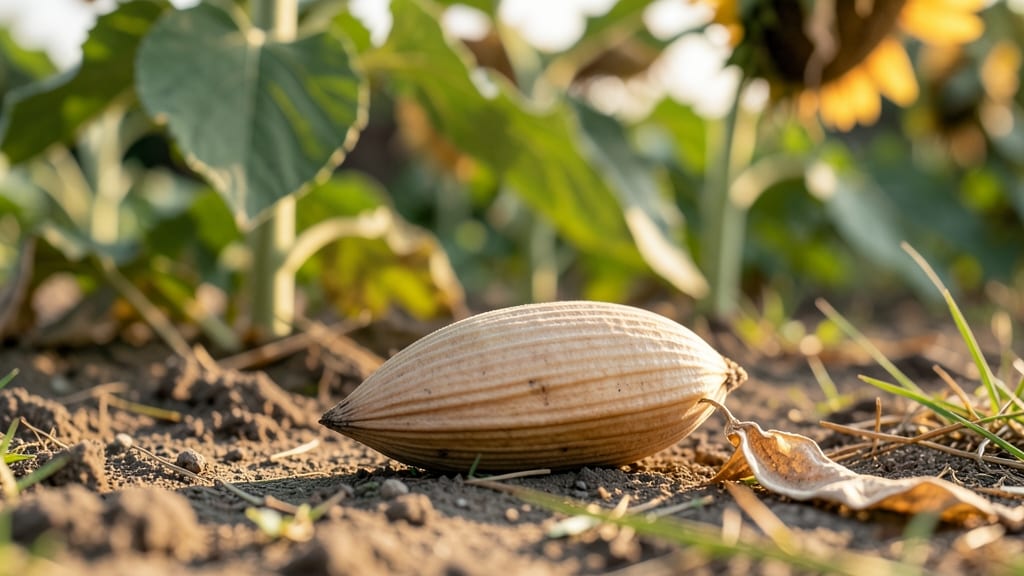
When you hold the size of a sunflower seed in your palm, it’s hard to believe this tiny 🌻—often just 1/4 to 1/2 inch long—can sprout into a towering plant reaching 12 feet tall.
Understanding the exact size of a sunflower seed isn’t just a fun fact; it’s the key to planting them correctly for the best germination and growth.
Most sunflower seeds measure roughly 6-12 millimeters in length and about 4-6 millimeters in diameter, roughly the size of a grain of rice or a small pea.
This compact size means they need precise handling—planting too deep can delay sprouting, while spacing them correctly ensures each seedling gets enough room to thrive.
For gardeners in USDA Zone 6a, where spring planting begins in April, knowing these dimensions helps avoid common mistakes like overcrowding or uneven growth. Whether you’re planting in rows or scattered, the right depth and spacing make all the difference in how your sunflowers develop.
Let’s break down how seed size impacts planting, germination, and even how you can compare it to other garden seeds for better planning. You’ll discover practical tips to maximize your sunflower’s potential from the very first seed.


Exact dimensions of sunflower seeds by variety and planting needs
Sunflower seeds might seem tiny, but their exact dimensions play a crucial role in germination success and planting strategies. Most sunflower seeds measure between 8-12 millimeters in length and 4-6 millimeters in width, with slight variations between varieties.
These measurements directly influence how deep you should plant them and how much space to leave between seeds.
Understanding these specifics helps prevent common mistakes like planting too shallow or too deep, which can drastically reduce your germination rates. For example, giant sunflower varieties like 'Russian Giant' have slightly larger seeds (up to 12mm long) compared to dwarf types (8mm or less).
This size difference affects both planting depth and spacing needs.
Here’s how seed size impacts your gardening:
| Variety | Seed Length (mm) | Seed Width (mm) | Planting Depth (inches) | Spacing (inches) |
|---|---|---|---|---|
| Dwarf Varieties (e.g., 'Teddy Bear') | 8-10 | 4-5 | 0.5-1 | 4-6 |
| Standard Varieties (e.g., 'Mammoth') | 10-12 | 5-6 | 1 | 6-12 |
| Giant Varieties (e.g., 'Russian Giant') | 12-14 | 6-7 | 1-1.5 | 12-18 |
| Confectionery Varieties (e.g., 'Autumn Beauty') | 9-11 | 5-6 | 0.75-1 | 6-10 |
*Planting depth and spacing may vary slightly based on soil type and local climate conditions.
For dwarf varieties, smaller seeds mean you can plant them slightly shallower (0.5-1 inch) and closer together (4-6 inches apart). This is ideal for container gardening or small spaces.
In contrast, giant varieties require deeper planting (1-1.5 inches) and wider spacing (12-18 inches) to accommodate their larger root systems and towering growth.
When planting, always use a seed spacing ruler or your finger as a guide. A standard sunflower seed is roughly the size of a grain of rice, but slightly longer and thicker.
This comparison helps visualize the correct planting depth—typically 2-3 times the seed’s diameter—to ensure proper moisture contact without burying too deeply.
Soil type also plays a role. In sandy soil, which drains quickly, plant seeds slightly deeper (1.25 inches) to retain moisture. In clay soil, which holds moisture well, you can plant closer to the surface (0.75 inches) to encourage faster germination.
Always water gently after planting to settle the soil around the seeds without displacing them.
If you’re sowing seeds indoors for later transplanting, use biodegradable seedling pots to avoid disturbing roots during transfer. The same planting depth rules apply, but ensure your pots have drainage holes to prevent root rot.
Transplant seedlings outdoors after the last frost date, when soil temperatures reach at least 50°F (10°C).
Pro tip: Store sunflower seeds in a cool, dry place (like a sealed jar in the fridge) to maintain viability for up to 3 years. Larger seeds tend to have slightly longer shelf lives due to their higher oil content, which preserves moisture and nutrients longer.
By paying attention to these seed dimensions and adjusting your planting approach accordingly, you’ll set your sunflowers up for strong, healthy growth right from the start. Happy planting! 🌻
How sunflower seed size affects germination and planting success
Sunflower seeds may seem deceptively small, but their size of 6-12 millimeters plays a crucial role in how they germinate and grow. The length-to-width ratio determines planting depth—too deep, and they struggle to reach the surface; too shallow, and they dry out.
For optimal results, I always plant them at 1 inch deep, which aligns perfectly with their natural size.
This depth ensures seeds receive enough moisture while staying protected from drying winds. In loose, well-draining soil, germination typically occurs within 7-14 days, but compacted or overly wet soil can delay sprouting.
Understanding these dimensions helps me adjust my approach for different soil types, whether I'm working with sandy loam or heavier clay.
Here’s where seed size becomes critical: the spacing between seeds must match their growth potential. While a single seed is tiny, its mature plant can reach 12 feet tall with a spread of 2 feet.
Planting seeds 6-12 inches apart prevents overcrowding, which leads to weak stems and reduced flower production.
⚠️Soil type also interacts with seed size to influence germination. In sandy soil, seeds need slightly deeper planting (1.5 inches) to retain moisture, while clay soil benefits from shallower planting (0.75 inches) to prevent waterlogging.
I always test soil moisture before planting—if it feels dry, I’ll water first to create the ideal environment for those tiny seeds to sprout.
Another pro tip: larger sunflower varieties (like 'Mammoth' types) have slightly bigger seeds (10-12mm long), while dwarf varieties ('Teddy Bear') have smaller seeds (6-8mm).
This size difference affects how I handle them—larger seeds can be planted a touch deeper, while dwarf seeds need extra care to avoid over-planting in small garden spaces.
For container gardening, seed size becomes even more important. A 5-gallon pot can comfortably hold 3-4 sunflower seeds, but only if spaced correctly. I’ve learned the hard way that cramming too many seeds into a small pot leads to root competition and poor growth.
Always check the mature plant’s spread before deciding on container size.