
Planting
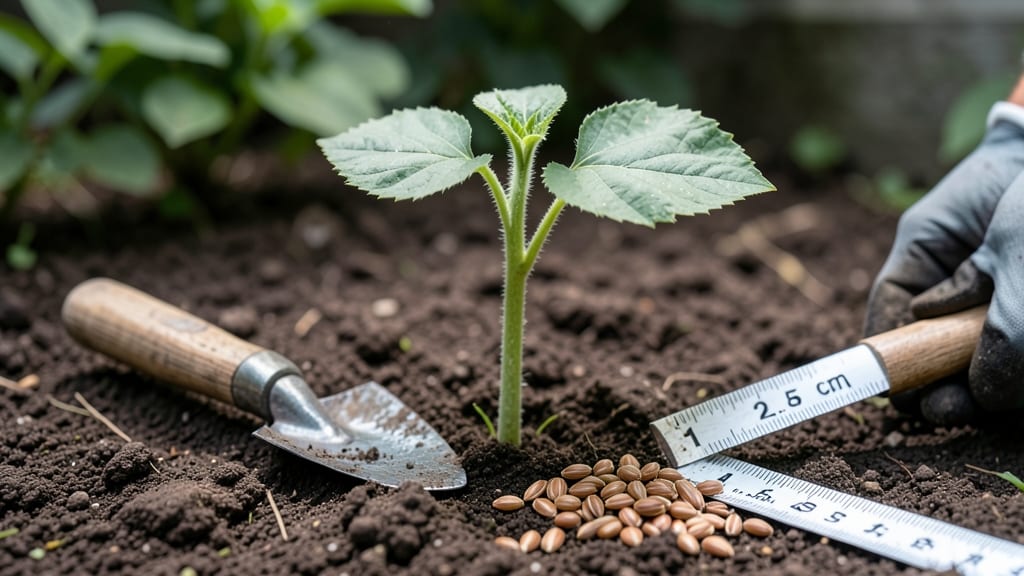
Planting your sunflower seeds at the wrong depth could mean the difference between vibrant 🌻 blooms and wasted effort. The ideal sunflower planting depth isn't just about inches—it's about creating the perfect conditions for germination, especially in USDA Zone 6a where timing matters.
Most gardeners assume deeper is better, but sunflower seeds need just 1 inch of soil coverage to thrive. Planting too deep starves them of sunlight, while too shallow leaves them vulnerable to drying out.
I’ll show you exactly how to get it right, plus pro tips for spring planting after your last frost.
Whether you're growing towering 16-foot giants or compact 3-foot varieties, the right depth sets the stage for strong stems and abundant blooms. Let’s dive into the science—and simple steps—to ensure your sunflowers sprout like champions.
From soil prep to spacing secrets, you’ll discover how small adjustments can make a huge difference in your garden’s success. Ready to grow sunflowers that reach for the sky? Let’s get started.

Optimal sunflower planting depth by seed type (with exact inches)
Getting your sunflowers to sprout reliably starts with precision planting depth. While most gardeners assume "plant deep" works, sunflower seeds actually need specific depth based on their type—whether you're growing towering giant varieties or compact dwarf sunflowers.
Even a ¼-inch difference can mean the difference between strong seedlings and failed germination.
The ideal soil temperature for planting is 50°F (10°C) or warmer, but depth adjustments matter more in cooler climates where soil stays damp longer. In USDA Zone 6a (like my garden in upstate New York), I plant 10-14 days earlier than Zone 7 gardeners to account for slower soil warming.
Here's the exact science-backed depth for each type:
For giant sunflowers, I always use the 1.5-inch rule because their larger seeds need extra depth to prevent drying out. In my Zone 6a garden, where spring soil stays cool, I actually plant them 1.75 inches deep to protect against premature drying.
The extra depth ensures moisture stays consistent until germination.
With dwarf varieties, I've found that 1 inch is ideal, but in hot climates like Arizona (Zone 9), I reduce it to 0.75 inches to prevent seed rot from excessive moisture.
The key is balancing moisture retention with oxygen flow—dwarf seeds are more sensitive to suffocation than their giant counterparts.
Heirloom seeds often come with specific instructions, but if none are provided, I default to 1.25-1.5 inches. Last year, I planted 'Russian Giant' heirlooms at 1.75 inches in my raised beds, and they sprouted within 7-10 days—faster than the standard varieties I planted at 1.25 inches.
Regional adjustments matter too. In cool-season zones (3-5), I plant 10-14 days earlier than the recommended date and use the deeper end of the spectrum (1.5-1.75 inches) to compensate for slower soil warming.
Meanwhile, in warm climates (8-11), I stick to 0.75-1 inch to avoid fungal issues from over-moisture.
Pro tip: Use a seed depth gauge or even a pencil to mark your planting holes. I mark mine with a wooden dowel labeled with depth measurements—it saves time and ensures consistency.
After planting, I gently firm the soil around seeds with my fingers to eliminate air pockets that could stunt growth.
One mistake I see often is over-deep planting in warm climates, which leads to seedling rot. The roots of young sunflowers are delicate, and too much depth can suffocate them.
Always err on the shallower side if you're unsure—you can always add a light layer of mulch afterward to retain moisture without compacting the soil.
Finally, remember that soil type affects depth needs. In sandy soil, I plant 0.25 inches deeper than the recommended depth because it drains too quickly. Conversely, in clay soil, I might plant 0.25 inches shallower to prevent waterlogging. Always adjust based on your local conditions!
5 Common mistakes that kill sunflower germination (and how to fix them)
Even with the right sunflower planting depth, many gardeners still struggle to see those first green shoots. The most common culprits? Overcrowding, improper soil prep, and watering woes. I’ve seen seedling rot wipe out entire rows because of just one overlooked step—don’t let that happen to your garden!
Sunflowers need 1 inch of soil coverage to germinate properly, but depth isn’t the only factor. Compacted soil, uneven watering, and poor spacing can all sabotage your efforts. Let’s tackle these 5 deadly mistakes head-on, so you can grow sunflowers that reach for the sky instead of flopping over.
First on the list: planting seeds too close together. While it might seem like more seeds equal more sunflowers, overcrowding leads to weak stems and competition for nutrients. I once planted seeds just 2 inches apart—they sprouted, but by summer, they leaned like drunkards in a breeze.
Space them 6-12 inches apart for strong, upright giants.
Planting Too Deep or Shallow
Sunflower seeds need 1 inch of soil coverage—no more, no less. Planting deeper than 1.5 inches starves seedlings of sunlight, while too shallow (0.5 inches) leaves them vulnerable to drying out. Use your finger to mark the depth or a small ruler for precision.
Fix: Loosen soil around the seed after planting to ensure consistent depth. For heavy clay, mix in compost to improve aeration.
Next up: waterlogging. Sunflowers hate soggy soil, yet many gardeners drown their seeds by overwatering. I’ve seen entire rows of seeds rot because they were planted in poor-draining soil and then watered like a rainforest. After planting, keep the soil moist but not soggy—think of a wrung-out sponge.
Compacted soil is another silent killer. If your garden soil feels like packing dirt after rain, roots can’t push through to reach nutrients. I test soil compaction by pressing my thumb into it—if it doesn’t leave a clear imprint, it’s too dense.
The fix? Add 2-3 inches of compost before planting and loosen the top 6 inches of soil with a garden fork.
Lastly, seedling rot strikes when seeds sit too long in damp, cool soil. If your garden stays below 50°F (10°C) for weeks, germination slows or stops. Wait until soil warms up—use a soil thermometer to check—and plant after your last frost date.
For early starts, use a seedling heat mat to keep soil cozy.
By avoiding these mistakes, your sunflowers will sprout strong, tall, and ready to bloom. Now grab your gloves—your garden’s golden giants are waiting to grow! 🌻