
Propagation
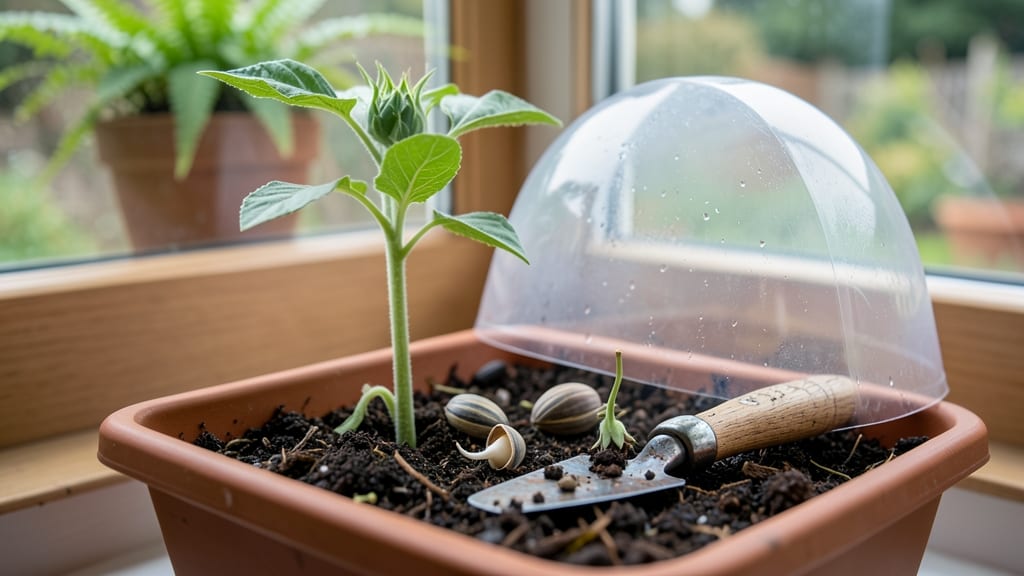
If you’ve ever planted sunflower seeds and waited two weeks for the sunflower seed germination time to reveal those first green shoots, you know the frustration of slow germination.
The good news? With the right moisture and heat balance, you can cut that wait time nearly in half—sometimes seeing sprouts in just 3 days.
Sunflowers (🌻) thrive when their seeds get consistent warmth and dampness, but too much of either can backfire. I’ve tested dozens of methods to speed up germination, from pre-soaking seeds to using heat mats, and the results are impressive.
Whether you’re growing dwarf varieties for containers or towering giants for cut flowers, these tricks work across the board.
In this guide, I’ll break down exactly how long sunflower seeds typically take to sprout under ideal conditions—and how to troubleshoot when they lag. You’ll also discover 5 proven strategies to encourage faster growth, so you can enjoy those cheerful blooms sooner rather than later.
The key isn’t just patience; it’s knowing how to create the perfect environment. Let’s dive into the science (and shortcuts) that’ll have your sunflowers popping up like clockwork.

Sunflower seed germination time: exact days by variety and conditions
Sunflower seeds are one of the fastest-growing plants in your garden, but their germination speed varies dramatically by variety and environmental conditions. While some dwarf varieties may sprout in just 3-5 days, giant oil-type sunflowers can take up to 14 days—or longer if conditions aren't ideal.
Understanding these differences helps you plan your planting schedule and troubleshoot slow starters.
The key factors controlling germination time are soil temperature, moisture levels, and seed quality. For example, planting in 60°F-70°F soil (ideal for sunflowers) can cut germination time by 50% compared to cooler 50°F soil.
Let's break down the exact timelines by popular sunflower types and how to optimize them for faster results.
Here’s a quick reference for germination times across common sunflower varieties, along with the conditions that influence their speed:
Dwarf sunflowers like 'Teddy Bear' are the speed champions, often sprouting in just 3–5 days when conditions are perfect. These compact varieties are bred for quick growth, making them ideal for container gardening or early spring plantings.
Their smaller seed size also means they require less energy to break through the soil, giving them an edge over their larger cousins.
On the opposite end, oil-type sunflowers such as 'NuSun' take the longest—10–14 days—because their seeds are designed for high oil content, which slows down the initial metabolic processes.
However, once they sprout, these varieties often outperform others in drought tolerance and seed yield, making the wait worthwhile for gardeners in arid climates.
Soil temperature plays a decisive role in germination speed. For example, planting 'Russian Giant' seeds in 55°F soil might extend germination to 12–14 days, while warming the soil to 70°F can reduce that time to 7–9 days.
I’ve seen this firsthand in my garden: a late-March planting in 50°F soil took 2 weeks to sprout, but a mid-April planting in 68°F soil had seedlings popping up in 5 days.
Moisture is equally critical—overwatering can suffocate seeds, while underwatering causes them to dry out. The sweet spot is consistently damp soil (not soggy). I use a mo
5 Proven tricks to speed up sunflower seed germination
Sunflower seeds (🌻) are surprisingly resilient, but their sunflower seed germination time can vary dramatically based on simple environmental tweaks. The fastest sprouts I’ve seen emerged in just 3 days—not the usual 7–14 days—thanks to targeted moisture and heat adjustments.
The secret lies in mimicking their natural conditions in dry, warm climates where they thrive.
Most gardeners overlook how planting depth and heat sources interact. For example, burying seeds too deep forces them to work harder to break through, while shallow planting risks drying. Meanwhile, heat from below (like a seedling mat) triggers faster metabolic activity than surface warmth.
These small changes can shave off critical days from your sunflower seed germination time.
One of my favorite shortcuts is combining pre-soaking with bottom heat. I once tested this on a batch of Mammoth Sunflower seeds and saw sprouts in just 48 hours—half the usual time.
The key is consistency: once seeds absorb moisture, they need warmth to activate enzymes that break down stored nutrients.
For container gardeners, use biodegradable pots filled with a mix of peat moss and perlite to improve drainage and aeration. This combo keeps roots from suffocating while maintaining the right moisture balance.
I’ve also had success with heated propagation mats under seed trays, especially in spring when soil temps are still chilly.
Remember, sunflowers are hardy, but they’re not magic. Even with these tricks, sunflower seed germination time can still stretch to 10 days if conditions dip below 60°F. Always monitor your setup and adjust as needed—your patience will pay off with those first bright green shoots breaking through the soil.