
Flowers
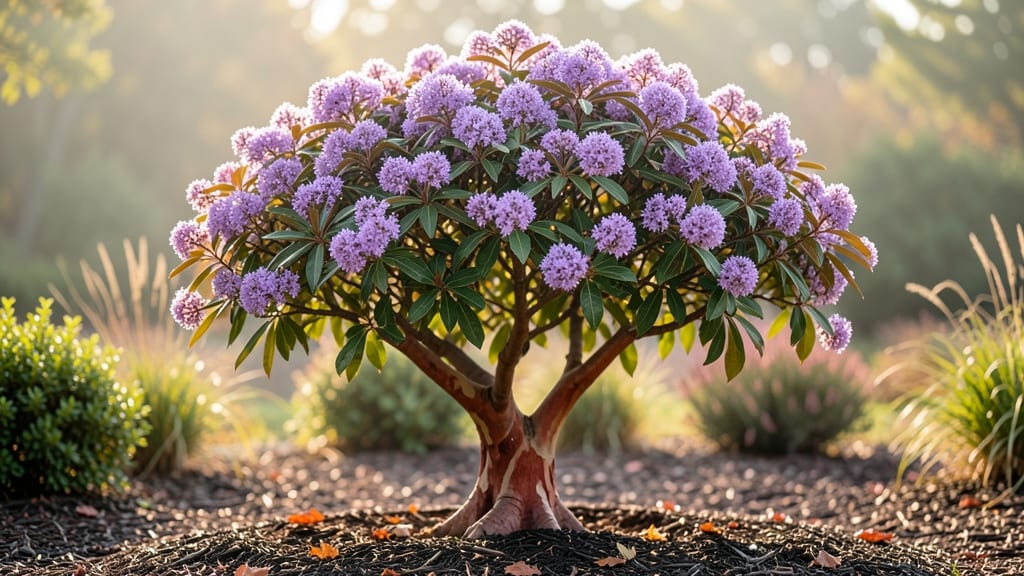
There's nothing quite like the sight of a tree with little purple flowers in full bloom, turning your garden into a fragrant springtime paradise.
The delicate 🌸 blooms of a lilac tree don't just add color—they create an intoxicating aroma that makes every walk through your yard feel like a dream.
Whether you're planning a new garden design or refreshing an existing one, these versatile shrubs are the perfect choice for adding height, texture, and seasonal interest.
What makes lilacs so special isn't just their stunning purple blooms, but how effortlessly they fit into any landscape. From cottage gardens to modern designs, their medium height and adaptable nature make them ideal for borders, focal points, or even as shade trees.
The best part? They thrive in USDA Zone 6a, meaning they're perfect for gardeners in many regions looking to add year-round beauty with minimal fuss.
If you're dreaming of a garden that bursts into color each spring, lilacs are the answer. In this guide, I'll show you how to select the perfect variety, plant them for maximum impact, and keep those purple blooms coming back year after year.
Let's dive into the secrets of creating a fragrant, flower-filled oasis that will be the envy of the neighborhood.
Whether you're a seasoned gardener or just starting out, lilacs offer a simple yet stunning way to transform your outdoor space. With the right care and placement, you'll have a tree that not only looks beautiful but also fills your garden with that unmistakable springtime scent. Ready to get started?
Identifying and selecting the best lilac varieties for purple flowers
When you're dreaming of a garden filled with delicate purple blooms and intoxicating fragrance, lilacs are the perfect choice. These classic flowering shrubs offer more than just beauty—they bring a sensory experience that transforms any outdoor space.
The key to success lies in selecting the right lilac varieties that thrive in your climate while delivering those coveted small purple flowers you love.
Not all lilacs produce the same shade of purple or bloom size. Some varieties feature compact clusters of tiny flowers, while others showcase larger, more dramatic blooms. For gardeners seeking subtle purple accents, cultivars like 'Katherine Havemeyer', 'Miss Havisham', and 'Bloomerang' are excellent choices.
These varieties not only deliver stunning visuals but also adapt well to different garden settings.
🌸
The 'Katherine Havemeyer' lilac is a standout for its deep lavender-purple blooms that appear in late spring. This variety thrives in USDA zones 3-9 and reaches a mature height of 6-8 feet, making it ideal for hedges or focal points.
Its strong fragrance will fill your garden with a sweet aroma, attracting bees and butterflies while creating a romantic atmosphere.
If you're looking for something more compact and manageable, 'Miss Havisham' is a fantastic option. This variety produces soft lilac-purple flowers in compact racemes, perfect for smaller gardens or container planting. It's also more drought-tolerant than many other lilacs, making it a low-maintenance choice for busy gardeners.
For those who want extended blooming seasons, 'Bloomerang' lilacs are a game-changer. Unlike traditional lilacs that bloom once, this variety produces two flushes of flowers—once in spring and again in late summer.
The violet-purple blooms are dense and fragrant, ensuring your garden stays vibrant longer. It's well-suited for zones 4-9 and grows to 6-8 feet tall, providing both height and texture.
Another excellent choice for small gardens or urban landscapes is the 'Dwarf Korean' lilac. This variety features tiny pale lavender blooms on a compact shrub that only reaches 3-4 feet tall.
It's perfect for borders, rock gardens, or as a container plant, and its light fragrance adds a subtle charm without overwhelming the senses.
When selecting lilac varieties, consider not only the flower color and size but also their growth habits and fragrance intensity. Place fragrant varieties like 'Katherine Havemeyer' near seating areas or patios so you can fully enjoy their scent.
Meanwhile, compact varieties like 'Miss Havisham' or 'Dwarf Korean' are ideal for tight spaces where larger shrubs might not fit.
Don't forget to check the hardiness zone requirements for each variety to ensure they'll thrive in your climate. Most lilacs are adapt
Step-by-step guide to planting and pruning lilac bushes for optimal purple blooms
To unlock the full potential of your tree with little purple flowers, proper planting and pruning are essential. Lilacs thrive with the right conditions—well-draining soil, full sun exposure, and strategic pruning to encourage lush blooms.
Skipping these steps can lead to sparse flowers or leggy growth, so let’s dive into the exact techniques I’ve used to keep my lilacs bursting with vibrant purple clusters every spring.
First, timing matters! Plant your lilac bushes in early spring or fall, when the soil is workable but not frozen. This gives roots time to establish before extreme temperatures. Avoid planting in summer heat or winter frost, as these conditions stress young plants and slow their growth.
- Step 1: Choose the Right Location
Select a spot with 6+ hours of sunlight and well-draining soil. Lilacs hate soggy roots, so amend clay soil with compost or sand. - Step 2: Dig the Hole
Dig a hole twice as wide as the root ball but only as deep. Planting too deep can suffocate roots and stunt growth. - Step 3: Amend the Soil
Mix compost or aged manure into the native soil to improve fertility. Avoid fresh manure, which can burn roots. - Step 4: Position the Plant
Place the lilac so the top of the root ball sits 1-2 inches above soil level. This prevents rot during heavy rains. - Step 5: Backfill and Water
Fill the hole with soil, gently pressing to remove air pockets. Water deeply to settle the roots and eliminate gaps. - Step 6: Mulch and Prune
Apply 2-3 inches of mulch around the base (keep it away from the trunk) and trim any dead or crossing branches to encourage airflow.
When it comes to pruning, most gardeners make the mistake of cutting back lilacs too late or too aggressively. The key is to prune right after flowering (late spring to early summer) to avoid removing next year’s blooms, which form on old wood.
Use sharp, clean pruners to make cuts at a 45-degree angle just above a bud or branch collar.
For established lilacs, focus on rejuvenation pruning every 3-5 years. This involves cutting back one-third of the oldest stems to the ground in stages over 2-3 years. This technique revitalizes the bush and promotes dense, healthy growth. Always wear gloves—lilac sap can irritate skin!
Finally, monitor your lilac for signs of stress, like yellowing leaves or sparse blooms. These often indicate overwatering, poor drainage, or nutrient deficiencies. Adjust your care routine accordingly, and your lilac will reward you with abundant purple blooms for years to come.
With these steps, your tree with little purple flowers will become the showstopper of your garden, filling the air with its signature fragrance and turning heads every spring. Happy planting! 🌸