
Planting
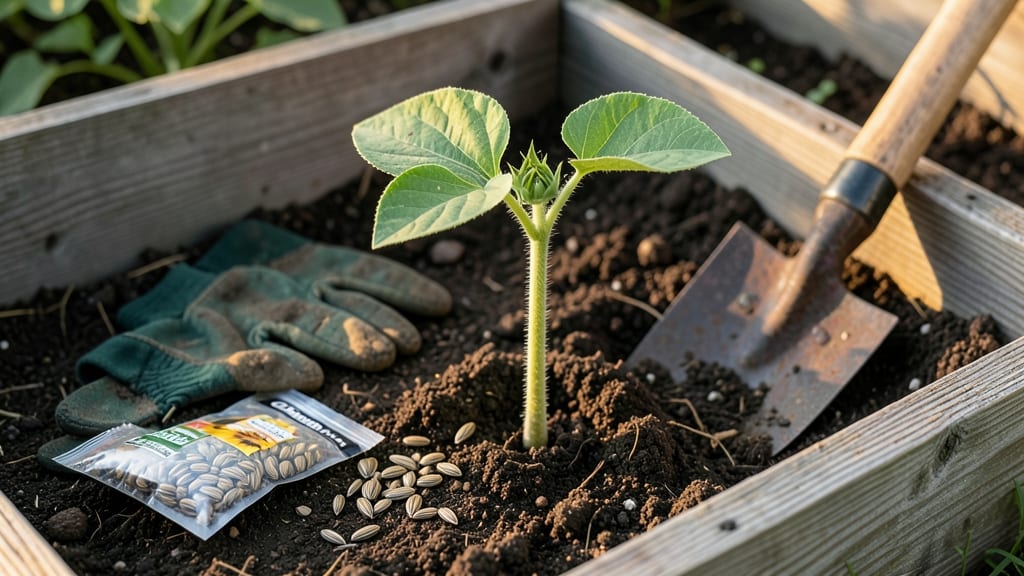
To plant sunflowers at the perfect time of the year is the secret to watching them grow from tiny seeds into towering 🌻 giants in just 60-90 days.
If you've ever struggled with slow germination or weak stems, timing is likely the culprit—and the good news is, it’s easier to fix than you think.
Sunflowers crave warmth, so the ideal planting window in most regions falls between late spring and early summer, right after the last frost. In Zone 6 (like much of the Midwest), that means aiming for May or early June—but your exact timing depends on your local climate.
Too early, and cool soil can delay sprouting; too late, and you might miss the summer bloom rush.
What you’ll discover here is how to sync your planting schedule with your climate zone for fast germination and robust growth. Whether you’re a first-time gardener or a seasoned pro, these simple adjustments will help you avoid common pitfalls and enjoy sunflowers that reach their full, sun-drenched potential.
Ready to transform your garden into a sea of golden blooms? Let’s dive into the best months, soil prep tips, and pro tricks to make your sunflowers thrive—no guesswork required.

Best sunflower planting times by u.s. climate Zones: a month-by-month breakdown
Sunflowers love warmth, and planting them at the right time ensures those iconic bright blooms reach their full potential. The key? Timing your seeds with your local frost dates and soil temperatures.
In cooler USDA Zones 3-5, wait until after the last frost when soil reaches 55°F (13°C). Warmer Zones 6-10 offer more flexibility, but even there, early spring plantings risk frost damage.
For fast germination, aim for soil temps between 70-90°F (21-32°C). This typically aligns with late spring to early summer in most regions. Transplants can handle slightly cooler soil, but direct-sown seeds need warmth to sprout quickly.
Pro tip: Use a soil thermometer to check—if it’s below 50°F (10°C), wait a few weeks.
🌱
In Zones 3-4, where winters are harsh, focus on late May to early June plantings. These areas have the shortest growing seasons, so prioritize fast-maturing varieties like 'Teddy Bear' (50-60 days) or 'Moulin Rouge' (60-65 days).
For transplants, start seeds indoors 4-6 weeks before your last frost date to give them a head start.
Warmer Zones 7-10 can plant sunflowers as early as January or February, but aim for March-April for the best balance of warmth and rainfall. In Zone 10, you can even plant sunflowers year-round!
However, avoid planting during peak summer heat (July-August) unless you’re in a coastal area with cooler temperatures. Heat stress can delay germination.
For succession planting, sow new seeds every 2-3 weeks after your initial planting to extend your bloom season. This works especially well in Zones 5-10, where you can enjoy sunflowers from early summer to fall.
Just remember: the earlier you plant, the taller your sunflowers will grow—ideal for cut flowers or bird feed!
If you’re unsure about your last frost date, check the USDA Plant Hardiness Zone Map or use a frost calendar for your county. Local cooperative extension offices also provide tailored advice.
And don’t forget: sunflowers love well-draining soil and full sun, so choose a spot that gets at least 6-8 hours of sunlight daily.
For direct sowing, plant seeds 1 inch deep and 6 inches apart, thinning seedlings to 12-24 inches as they grow. If transplanting, harden off seedlings for 7-10 days before moving them outdoors.
Water deeply after planting to encourage root growth, and keep the soil consistently moist (but not soggy) until germination.
One final tip: if you’re in a drought-prone area, mulch around your sunflowers to retain moisture. This is especially helpful in Zones 8-10, where summer heat can dry out soil quickly.
With the right timing and care, your sunflowers will reward you with vibrant blooms that turn heads—and attract pollinators—all season long!
🌻
How to adjust sunflower planting for early vs. late blooms
Want sunflowers blooming from summer straight through to fall? The secret lies in strategic planting adjustments that align with your climate and desired bloom time. By tweaking your schedule, you can enjoy continuous flowers instead of a single summer rush.
Whether you’re chasing early summer blooms or late-season harvests, these simple shifts make all the difference.
Most gardeners focus on late spring planting for summer blooms, but sunflowers are surprisingly flexible. In warmer climates like Zones 8-10, you can even plant in early fall for winter interest.
The key is understanding how soil temperature and day length affect growth. Cool soil delays germination, while shorter days trigger earlier flowering—so timing is everything.
Here’s how to adjust your planting for early blooms, late-season flowers, or even overwintering in mild climates:
Plant seeds 4-6 weeks before your last frost date (typically April-May in Zones 4-7). Use black plastic mulch to warm soil faster and speed up germination. Choose early-maturing varieties like 'Teddy Bear' (55 days) for guaranteed blooms.
Sow seeds mid-to-late summer (July-August) for fall harvests. In Zones 5-7, aim for 8-10 weeks before first frost. Use dwarf varieties like 'Moulin Rouge' to avoid flopping in wind.
Plant new batches every 2-3 weeks from spring to early summer. Stagger heights by mixing tall and dwarf varieties—tall ones first, then shorter ones as space opens up.
In Zones 8-10, plant late summer/fall (September-October) for winter blooms. Protect with row covers if frost threatens. Varieties like 'Autumn Beauty' thrive in cooler weather.
Sunflowers flower faster in shorter days. For earlier blooms, plant late summer batches—they’ll bolt quicker. In long-day climates, use shade cloth (30-50%) to trick plants into flowering sooner.
Pro tip: Always check your local frost dates and adjust by 2-3 weeks if your summers are particularly hot or cold. For example, in Zone 3, wait until mid-May to avoid frost damage, while Zone 10 gardeners can plant year-round with minimal protection.
By mastering these adjustments, you’ll turn your garden into a sunflower paradise with blooms from June through October. Start with one strategy this season—like succession planting—and watch your sunflowers shine all summer long! 🌻