
Flowers
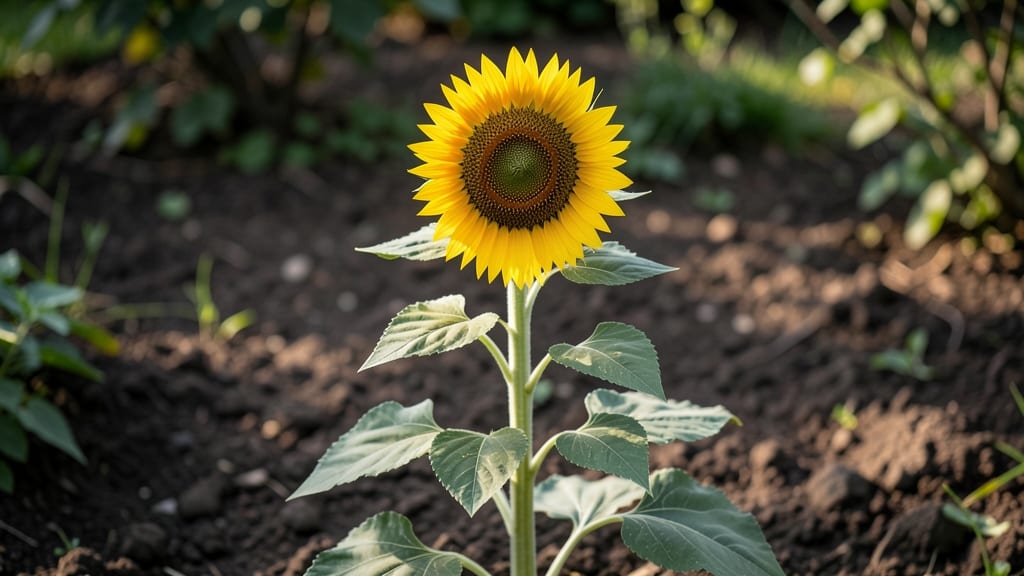
If you’ve ever wondered when are sunflowers in season in Florida, the answer lies in the state’s shifting climate windows—where some years bring a dazzling explosion of blooms, while others leave you waiting.
In Florida’s unique growing conditions, sunflowers don’t follow a rigid schedule; instead, they thrive in a 6-month window that varies depending on whether you’re in North Florida’s cooler zones or South Florida’s extended growing season.
Most gardeners in the Sunshine State know sunflowers love warmth, but the exact months they’ll reward you with those towering blooms can be tricky.
From late winter plantings that burst into April glory to summer varieties stretching into October, the key is understanding how Florida’s microclimates create two distinct bloom seasons—one for early risers and another for late-season lovers.
What if I told you there’s a way to enjoy sunflowers almost year-round? Whether you’re in Zone 8a’s chillier north or Zone 11’s frost-free south, small adjustments—like staggered planting or choosing the right varieties—can turn your garden into a nonstop sunflower show.
Let’s break down the exact months to plant and when to expect those cheerful faces in your yard.
Ready to transform your Florida garden into a sunflower paradise? I’ll walk you through the ideal planting calendar, regional tweaks, and pro tips to keep those golden blooms coming—no matter where you live in the state. Your perfect sunflower season starts here.
Sunflower blooming seasons in Florida by climate Zone: exact months for each region
Florida’s 11 climate zones create wildly different conditions for sunflowers. In North Florida, cooler winters delay blooms, while South Florida’s warm climate extends the season year-round. Understanding these patterns ensures your sunflowers thrive and bloom at the perfect time.
Sunflowers need consistent warmth to flower, but Florida’s temperature variations by region mean bloom timing shifts dramatically. For example, Zone 8A (North Florida) may see blooms in May-July, while Zone 11 (South Florida) can enjoy them from March-October. Let’s break it down by zone.
In North Florida (Zones 8A-9A), sunflowers bloom later due to cooler temperatures. For instance, Zone 8A gardeners should plant in February-March to see blooms by May-July. The last frost date (around March 15) signals the perfect time to start seeds outdoors.
Meanwhile, Central Florida (Zones 9B-10A) enjoys an extended season. Planting in November-December ensures blooms from February-April, while fall-planted sunflowers in Tampa (Zone 10A) bloom in December-February, avoiding summer’s scorching heat. Staggered planting here can give you sunflowers year-round!
For South Florida (Zones 10B-11), the tropical climate means sunflowers can bloom almost anytime. Plant in September-October for winter blooms or March-April for summer displays. The lack of frost allows for continuous planting, so you can enjoy sunflowers from March-October with minimal effort.
Temperature thresholds are critical: sunflowers need consistent warmth above 50°F to germinate and 60°F+ to thrive. In North Florida, cooler nights can delay blooms, while South Florida’s humidity may require extra care to prevent fungal issues. Always choose dwarf varieties (like
How to extend sunflower season in Florida: planting strategies for year-round blooms
Florida’s warm climate gives us a unique advantage: we can enjoy sunflowers almost year-round with the right planting strategies. The trick isn’t just timing—it’s layering varieties and techniques to create a continuous bloom cycle.
Most gardeners focus on summer sunflowers, but by adding early and late varieties, you can stretch your season from February through November.
The key is understanding that Florida’s 11 climate zones create microclimates where sunflowers thrive at different times. For example, North Florida’s cooler winters mean early varieties like ‘Moulin Rouge’ bloom by April, while South Florida’s frost-free winters allow late varieties like ‘Autumn Beauty’ to shine until October.
Let’s explore how to blend these for nonstop color.
Start with ‘Moulin Rouge’, a French variety that blooms in just 60 days—perfect for Florida’s early season. Plant seeds in January in North Florida or February in South Florida, and you’ll see vibrant red blooms by March or April.
This variety handles Florida’s humid springs beautifully, making it a low-maintenance choice.
For summer-long color, turn to ‘Autumn Beauty’, a long-blooming heirloom that thrives in Florida’s heat. Its rust, yellow, and mahogany petals add depth to your garden. Plant these seeds in June or July, and they’ll reward you with blooms from September through November.
This variety is also deer-resistant, a bonus for Florida gardens.
Don’t overlook ‘Teddy Bear’ for quick, cheerful blooms. These dwarf sunflowers reach just 2-3 feet tall and bloom in 50-60 days, making them ideal for succession planting every 2-3 weeks throughout the growing season. Their golden-yellow petals brighten containers, borders, and cut flower arrangements.
To maximize your sunflower season, create a planting calendar that aligns with Florida’s climate. For example, in North Florida (Zone 8a), plant in January, March, May, and July for staggered blooms.
In South Florida (Zone 10a-11), you can plant in February, April, June, and August to avoid summer’s harshest heat. Adjust watering and mulching to support each batch’s growth.
With these strategies, your Florida garden can become a year-round sunflower spectacle. The secret lies in layering varieties, timing plantings, and adapting to your microclimate.
Soon, you’ll enjoy sunflowers from early spring through late fall, proving that Florida’s climate isn’t just for summer blooms—it’s for sunflowers all year!