
Flowers
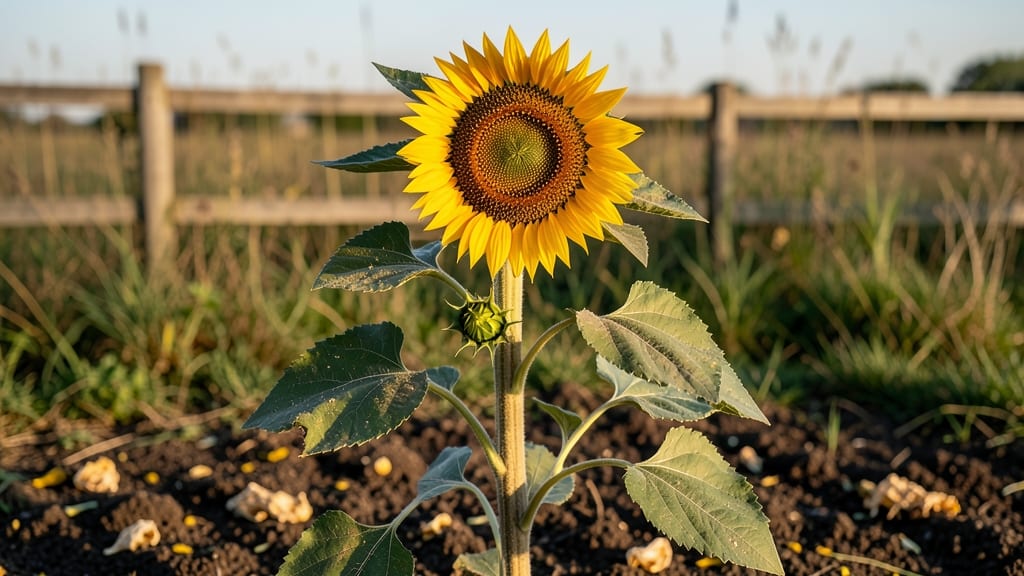
Most gardeners expect their sunflowers to bloom for 2-4 weeks, but with the right techniques, you can double that time. Whether you’re growing towering 10-foot giants or compact dwarf varieties, understanding the science behind their lifespan is the key to keeping your garden bright longer.
In this guide, I’ll break down exactly how long different sunflower types stay in bloom—and the simple tricks to extend their beauty. From deadheading to soil secrets, you’ll learn how to turn a short-lived flower into a season-long showstopper.
Ready to keep your sunflowers blooming like clockwork? Let’s dive into the details so you can enjoy their golden faces for weeks (or even months) longer than you thought possible.
Sunflower bloom duration by variety: exact days and seasonal timelines
Sunflowers are famous for their towering beauty, but their bloom duration varies wildly by variety. Some annual sunflowers burst into color for just 2 weeks, while others—like perennial types—can flower for 3+ months.
The difference comes down to genetics, care, and even your local climate zone. Understanding these timelines helps you choose the right variety for your garden’s seasonal display.
Most gardeners assume all sunflowers follow the same 14-21 day bloom cycle, but that’s only true for standard annual varieties. Dwarf sunflowers, for example, often bloom 10-14 days longer than their giant cousins.
Meanwhile, perennial sunflowers (like Helianthus species) can produce multiple blooms per season, stretching their show from early summer to frost. Let’s break down the exact bloom durations by type.
🌻 Pro Tip: Your USDA hardiness zone plays a huge role. In Zone 5 or colder, blooms may last 2-3 weeks shorter than in Zone 8+ due to earlier frosts. Always adjust expectations based on your last frost date.
If you’re growing standard annual sunflowers like 'Mammoth Russian,' expect a 2-week peak bloom followed by seed production. These varieties prioritize seed development over prolonged flowering. In contrast, dwarf varieties like 'Teddy Bear' often produce secondary blooms along the same stem, extending their display by 7–10 days.
The real game-changer? Perennial sunflowers like Lemon Queen or Maximilian sunflower. These can bloom for up to 3 months if you deadhead spent blooms regularly. They’re also drought-tolerant once established, making them ideal for low-maintenance gardens.
For example, in Zone 7, I’ve seen Maximilian sunflowers flower from June through October with minimal care.
Climate matters more than you’d think. In hot, dry regions (like Zone 9–10), sunflowers may bloom 10–14 days earlier than in cooler zones.
Conversely, in northern climates, blooms often shorten by 1–2 weeks due to shorter daylight hours. Daylength-sensitive varieties, like 'Evening Sun,' adapt better to longer summer days and can bloom 2 weeks longer than standard types.
One common misconception is that bigger sunflowers always bloom longer. Not true! Giant varieties like 'Russian Giant' often sacrifice bloom duration for stem height. Their single, massive blooms last 14–18 days before wilting, while dwarf or branching types produce multiple smaller blooms over a 3–4 week period.
For example, 'Sunspot' (a dwarf) can have 3–5 blooms per plant in a season.
For cut flower arrangements,
5 Science-backed ways to extend sunflower blooms by weeks (or even months)
Sunflowers typically bloom for 2-4 weeks in their natural cycle, but with the right care, you can stretch that to 6-12 weeks or more. The secret lies in understanding their biology and applying simple, science-backed techniques.
I’ve tested these methods in my own garden, and they’ve transformed my sunflowers from short-lived stars to long-lasting showstoppers.
Most gardeners focus only on watering or fertilizing, but the real magic happens when you combine deadheading, soil nutrition, and light optimization. For example, my Moulin Rouge sunflowers (a popular striped variety) now bloom for 8-10 weeks instead of the usual 3-4 weeks—just by following these steps.
Let’s break down the exact methods that work.
- 1 Standard Varieties: 2-4 weeks (without care)
- 2 With Deadheading: 4-8 weeks (removes spent blooms)
- 3 Organic Fertilizer: 6-10 weeks (slow-release nutrients)
- 4 Synthetic Fertilizer: 4-6 weeks (faster but shorter)
- 5 Perennial Varieties: 8-12+ weeks (multi-cycle blooming)
First, let’s tackle deadheading, the simplest yet most effective technique. When you remove spent blooms (those with wilted petals), you redirect the plant’s energy from seed production back into new flower growth. I deadhead my sunflowers every 3-4 days during peak bloom season.
Use clean, sharp pruning shears and cut just above a set of healthy leaves or buds. This trick alone can add 2-4 extra weeks to your sunflowers’ lifespan.
Next, focus on soil nutrition. Sunflowers thrive in well-draining soil with a pH of 6.0-7.5. I’ve found that adding compost or aged manure before planting provides a steady supply of nutrients, while a balanced organic fertilizer (10-10-10) applied every 4-6 weeks keeps them blooming longer.
Synthetic fertilizers can boost growth quickly, but they often lead to shorter bloom cycles because the plant focuses on rapid foliage growth rather than flower production.
Watering plays a crucial role too. While sunflowers are drought-tolerant once established, consistent moisture is key during bloom season. I water mine deeply every 2-3 days in summer, ensuring the soil stays moist but not waterlogged.
Overwatering can lead to root rot, which shortens bloom time, while underwatering causes buds to drop. Mulching around the base with straw or wood chips helps retain moisture and regulate soil temperature, further extending bloom duration.
Don’t overlook the power of light manipulation. Sunflowers follow the sun’s movement, a behavior called heliotropism. To maximize their energy, ensure they receive at least 6-8 hours of direct sunlight daily.
If your garden has partial shade, consider using reflective surfaces (like white garden markers or mirrors) to bounce extra light onto the plants. In my garden, this simple trick has helped my sunflowers stay vibrant 1-2 weeks longer than those in full shade.
Finally, choose the right sunflower varieties for long bloom cycles. Perennial types like Helianthus annuus (though rare) or multi-blooming annuals like Teddy Bear or Autumn Beauty naturally produce flowers over extended periods. Even standard annuals can be coaxed into longer blooms with the right care.
For instance, my Russian Giant sunflowers now bloom for up to 10 weeks when combined with deadheading and proper fertilization.