
Planting
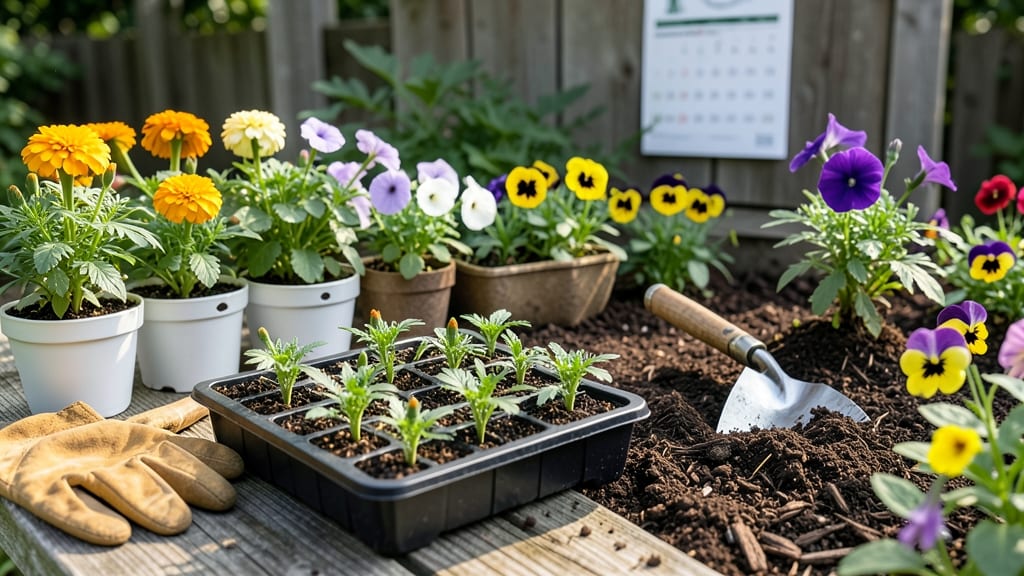
Planting flowers outside at the wrong time can turn your garden dreams into a frost-bitten disappointment—so knowing exactly when to start is the key to vibrant blooms all season. Whether you're in a chilly Zone 6a like me or a warmer region, timing matters more than you might think.
The magic window usually opens after your last frost date, but that’s not a one-size-fits-all rule. For most flowers, waiting until soil warms to 60°F (15°C) ensures roots take off without shock. In my area, that’s typically mid-April, but your local climate could shift those dates by weeks.
This guide breaks down the perfect planting schedule by zone, plus pro tips to extend your season with cold frames or row covers. You’ll learn which flowers thrive when planted early (like hardy pansies) and which wait for warmer soil (like heat-loving marigolds).
Ready to turn your garden into a 🌸-filled paradise? Let’s dive into the exact steps to plant with confidence—no more guesswork, just blooms!
Frost-free planting dates by US hardiness Zone (2024 guide)
Knowing the right time to plant flowers outside isn’t just about avoiding frost—it’s about giving your plants the perfect start. In my Zone 6a, I’ve learned that planting too early can mean wilted seedlings, while waiting too long might miss the ideal bloom window.
The key is understanding your last frost date and adjusting for your specific zone.
Most gardeners wait until soil temperatures hit 60°F (15°C) for warm-season flowers like marigolds and petunias. But in colder zones (like Zone 3), you might start bulbs in fall, while in warmer zones (like Zone 11), you can plant year-round with minimal frost risk.
Let’s break it down by zone so you can plant with confidence.
In Zones 3-4, where frost lingers late, focus on cold-hardy annuals like pansies and snapdragons for early spring color. These tough flowers can handle light frosts and even bloom in cooler temperatures.
For Zones 5-6, like my garden, you’ll want to plant bulbs like daffodils in fall and transition to heat-loving petunias by late spring.
Warmer zones (7-10) offer longer growing seasons, so you can start planting annuals like impatiens as early as February. In Zone 11, where frost is rare, you can plant almost year-round—but pay attention to seasonal rainfall and heat spikes.
For example, hibiscus thrives in summer but may need shade in peak heat.
Pro tip: Use row covers or cold frames to extend your planting season in cooler zones. I’ve successfully planted marigolds two weeks earlier than the recommended date by using a simple hoop house. This trick can give you a head start on blooms and a longer harvest window.
Don’t forget that microclimates play a huge role. A south-facing wall or a sheltered spot can warm up faster than the rest of your yard, allowing you to plant earlier. Always check soil temperature with a soil thermometer—it’s the most accurate way to know when it’s safe to plant.
For bulbs like tulips and daffodils, timing is everything. Plant them in fall (6-8 weeks before frost) for spring blooms. In Zone 6a**, that means late September to early October. Perennials like coneflowers and lavender can often be planted in early spring or fall, giving you flexibility.
If you’re unsure about your last frost date, check local weather reports or use the National Weather Service website. Many garden centers also provide frost-free planting guides tailored to your region. With the right timing, you’ll enjoy continuous blooms from early spring to late fall.
Ready to transform your garden? Start by marking your calendar with your zone’s frost-free date, then adjust based on the flowers you love. Happy planting—your garden will thank you with vibrant
How to adjust planting times for your local microclimate
Your local microclimate can shift planting times by 2-4 weeks compared to official frost dates. Even neighbors just a few miles away might have different conditions—elevation, urban heat islands, or wind exposure all play a role.
For example, my garden at 2,000 feet stays cooler than my friend’s at sea level, so I plant tender annuals two weeks later.
Soil temperature is the real game-changer. Most flowers need soil at least 60°F (15°C) to thrive, but cold-hardy varieties like pansies tolerate 45°F (7°C). Use a soil thermometer ($10 at garden centers) to check—planting too early in cold soil stunts roots and invites rot.
Here’s how to fine-tune your schedule based on your unique conditions:
For extended seasons, try cold frames or row covers. I’ve planted calendulas in late September under a simple hoop tunnel and enjoyed blooms until November. Just remove covers by late afternoon to prevent overheating.
Pro tip: Observe your garden for 2-3 years. Note which flowers thrive when planted early or late—your local microclimate will reveal its secrets over time. Start a planting journal to track successes and adjust future schedules.
Remember, perennials are forgiving—plant them 2 weeks late if unsure—but annuals like marigolds need precise timing for full blooms. When in doubt, start seeds indoors 4-6 weeks before your adjusted outdoor date.