
Companion Plants
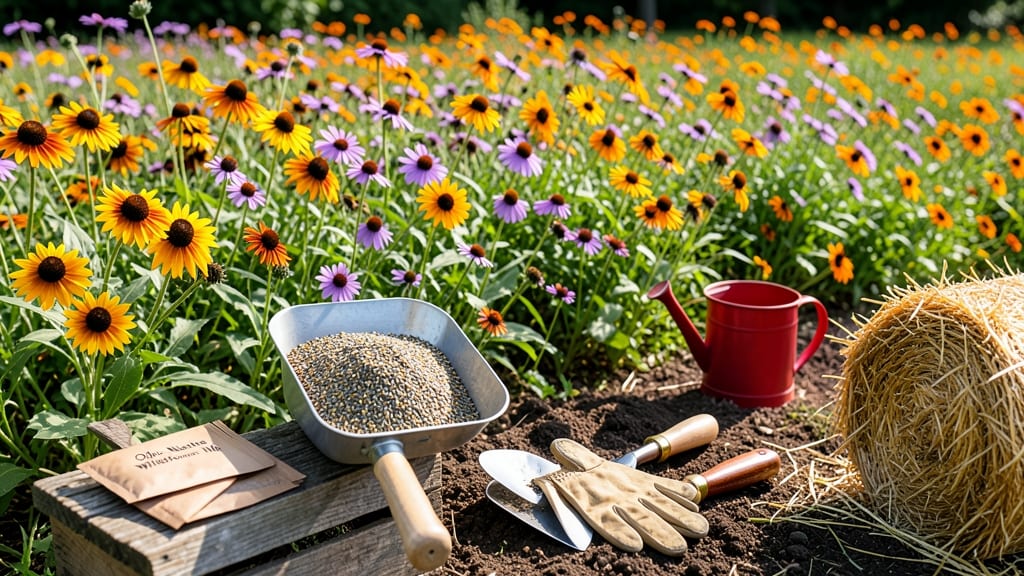
Planting wildflower seeds in Ohio might seem like a gamble with spring showers and unpredictable frost, but timing it right guarantees a burst of color that lasts from spring through fall.
The best windows are actually two distinct periods—early spring and late summer—when soil temperatures and moisture align perfectly for germination.
If you're eager to see 🌼 blooms as early as May, aim for late March through May, giving seeds time to establish roots before summer heat arrives. But here's the secret: fall planting (August through September) often yields even more vibrant displays because cooler temps reduce competition from weeds.
Ohio's 6a-6b climate means you don't have to worry about late frosts derailing your plans—just prepare your soil properly. Whether you're sowing black-eyed susans or coneflowers, these native varieties thrive when planted at the right time, with minimal fuss.
I'll walk you through exactly when to plant each type, how to prep your soil for Ohio's common challenges, and which wildflowers will give you the longest-lasting color. Let's get those seeds in the ground the smart way!
Ohio wildflower planting calendar: best months for spring vs. fall success
Ohio’s hardiness zones 5-7 create unique challenges for wildflower planting, but timing matters most. Spring and fall offer the best windows, but each has distinct advantages. Spring planting (March-May) gives seeds time to establish before summer heat, while fall planting (August-September) lets seeds germinate early in mild weather.
I’ve tested both methods in my Ohio garden—here’s what works best.
Native wildflowers like black-eyed susan and coneflower thrive when planted during their natural growth cycles. Spring planting aligns with early bloomers, while fall planting benefits late-season varieties.
The key is avoiding Ohio’s late spring frosts (common until mid-April) and preparing soil properly for each season. Let’s break down the best months for each approach.
| Planting Window | Best Months | USDA Zones | Soil Prep | Key Considerations |
|---|---|---|---|---|
| Spring Planting | March 15 - May 15 | 5-7 | Loosen top 2 inches, rake smooth | Avoid after last frost (April 15); water daily until germination |
| Fall Planting | August 15 - September 30 | 5-7 | Lightly till, remove weeds | Seeds germinate in spring; mulch lightly to protect from winter winds |
| Early Spring (Risky) | February - Mid-March | 6-7 | Cover with frost cloth | Only for cold-hardy species like bluebonnets; high frost risk |
| Late Fall (Risky) | October - November | 5 | None needed | Seeds may not germinate before winter; best for perennials only |
For spring planting, I recommend starting in late March once soil temperatures reach 50°F.
This gives seeds time to germinate before Ohio’s summer heat arrives. April showers provide natural watering, but I always keep a hose handy for dry spells. Fall planting, on the other hand, lets seeds establish roots before winter dormancy, leading to earlier blooms next spring.
Ohio’s northern regions (Zone 5) benefit most from fall planting, as winter snows provide natural insulation. In southern Ohio (Zone 7), spring planting works better due to milder winters.
I’ve found that mixed wildflower seed blends perform best when planted in both seasons—spring for quick color and fall for long-term establishment.
Don’t overlook soil preparation—Ohio’s clay-heavy soils need amending with compost or sand for best results. For spring plantings, I add a light layer of mulch to retain moisture, while fall plantings require minimal disturbance to protect emerging roots.
Both methods require consistent moisture during germination, which is critical for success.
If you’re planting annual wildflowers, spring is ideal for summer blooms, while perennials thrive with fall planting. For example, black-eyed susan seeds planted in September will bloom by June of the next year. I’ve seen firsthand how timing affects bloom cycles—proper scheduling means year-round color in my garden.
For urban gardeners, container planting works well in both seasons. Use lightweight potting mix and plant in late spring to avoid winter freeze damage. In-ground plantings, however, should follow the monthly calendar above for best results. Always check local frost dates—they vary slightly by county.
Pro tip: Stratify seeds before planting if your Ohio climate is dry. Place seeds in a damp paper towel in the fridge for 2-4 weeks to mimic winter conditions. This trick works wonders for slow-germinating species like lupine or wild bergamot. I’ve doubled my germination rates using this method!
Remember, Ohio’s weather is unpredictable. If you miss the ideal window, don’t worry—late spring (May-June) plantings can still succeed, though blooms may be delayed. The key is preparing soil in advance and choosing native species adapted to your microclimate.
With the right timing, your wildflower meadow will thrive from spring to frost.
How to prepare Ohio soil for wildflower seed planting: tips for thin, rocky, OR clay soil
Ohio’s soil can be a wild card—some areas have thin, rocky limestone bedrock just beneath the surface, while others struggle with dense clay that bakes hard in summer. The good news?
Wildflowers are tough enough to handle these challenges, but giving your soil a little TLC first makes all the difference. I’ve planted wildflowers in urban sidewalts, woodland edges, and even abandoned farm fields, and these prep steps work every time.
Before you scatter those seeds, focus on three key goals: improving drainage, adding organic matter, and removing competition from weeds. Ohio’s native wildflowers—like black-eyed susans and purple coneflowers—thrive when they’re not fighting for water or nutrients.
Let’s break down the exact steps to transform your soil into a wildflower paradise, no matter what type you’re working with.
🌱 Step-by-Step Soil Prep for Ohio Wildflowers
-
1. Clear the Area
Remove weeds, grass, or debris by hand or with a hoe. Focus on 1-2 inch depth—wildflower seeds don’t need deep soil. -
2. Loosen Compacted Soil
Use a broadfork or tiller (on rocky soil, skip tilling to avoid damaging seeds). Break up clay layers to 3-4 inches deep. -
3. Amend with Organic Matter
Mix in 2-3 inches of compost or aged manure. For rocky soil, add peat moss to improve moisture retention. -
4. Level the Surface
Rake the soil smooth to create a fine seedbed. Wildflower seeds need light to germinate—avoid burying them more than 1/4 inch deep. -
5. Stratify Seeds (If Needed)
For native species like milkweed or blazing star, mimic winter conditions by refrigerating seeds in a damp paper towel for 4-8 weeks before planting.
Ohio’s clay-heavy soils can be tricky because they compact easily and dry out quickly. To fix this, I recommend adding a 50/50 mix of compost and coarse sand to improve drainage.
For rocky or shallow soils, focus on mulching with straw or wood chips to retain moisture near the surface where seeds will germinate. This mimics the natural conditions wildflowers evolved to thrive in.
One of my favorite tricks for urban planting is using burlap sacks or cardboard sheets to suppress weeds before sowing seeds. Lay them down, soak them, and let them break down naturally—this creates a weed-free zone while improving soil structure over time.
It’s especially useful in sidewalts or cracked pavement where weeds outcompete wildflowers.
After prepping, give your soil a light watering to settle it, then scatter your seeds evenly. For large areas, I use a seed spreader or even a sieve with holes to ensure even distribution.
Press the seeds lightly into the soil with a board or rake, but don’t bury them—most wildflower seeds need light to germinate. A final gentle watering will help them make contact with the soil.
Remember, wildflowers are low-maintenance champions, but they’ll reward you best with proper soil prep. Once established, they’ll spread naturally, filling in bare spots and attracting pollinators like butterflies and bees. With these steps, you’ll have a vibrant wildflower meadow in no time—even on Ohio’s toughest soils! 🌻