
Flowers
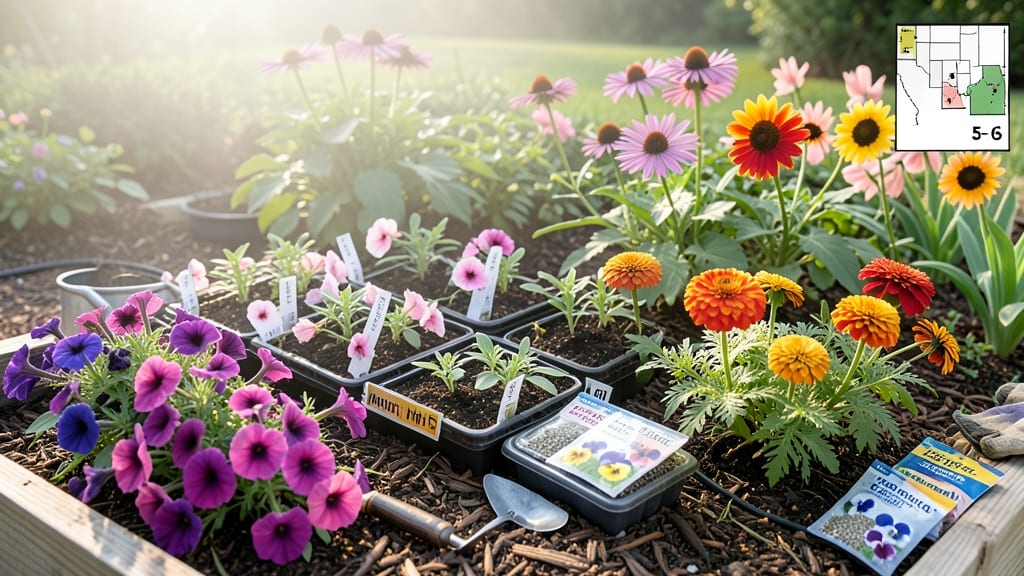
Planting flowers in Michigan can feel like playing a game of chance—will your 🌸 blooms survive the late frosts or thrive in the short growing season? The truth is, timing your plantings to match Michigan's 5b-6b zones makes all the difference between a vibrant garden and a sad, frost-kissed disappointment.
If you've ever watched your delicate petunias wilt overnight or your hardy coneflowers struggle to establish before summer, you know how critical the right window is. The key lies in understanding your region's last frost dates—whether you're in Detroit's urban heat islands or Traverse City's cooler lakeside climate—and planning accordingly.
In this guide, I'll break down exactly when to plant everything from tender annuals to frost-resistant perennials, plus pro tips for extending your bloom time. No more guessing games—just a clear, zone-specific timeline to help your garden shine all season.
Let's get started with the first step: knowing your region's frost dates and how they impact your planting schedule. Trust me, your future 🌸 flowers will thank you!
Michigan planting zones & last frost dates by region
Michigan’s diverse climate creates unique challenges for gardeners. The state spans USDA Zones 5b, 6a, and 6b, meaning frost dates vary dramatically between regions. For example, Detroit’s urban heat island effect can delay frost by a week compared to rural areas just 20 miles away.
Understanding these differences is critical for timing your flower plantings correctly.
Most Michigan gardeners rely on last frost dates to determine when to plant tender annuals like petunias or marigolds. However, these dates aren’t set in stone—microclimates near lakes, hills, or cities can shift them by 1-2 weeks.
That’s why I’ve included regional averages with flexibility built in for your specific location.
Let’s start with the essentials: Michigan’s primary planting zones and their average last frost dates. These serve as your baseline, but I’ll also share how to adjust for your exact microclimate later in this guide.
🌱 Key Takeaway: Planting too early risks frost damage, while waiting too long shortens your bloom season. The 10-day rule applies here—wait until nighttime temperatures consistently stay above 50°F (10°C) for at least a week before planting frost-sensitive flowers.
| Region | USDA Zone | Avg Last Frost Date | First Frost Date | Frost-Free Days |
|---|---|---|---|---|
| Detroit | 6a | May 10 | October 15 | 157 days |
| Grand Rapids | 5b | May 5 | October 5 | 153 days |
| Lansing | 6a | May 8 | October 10 | 155 days |
| Traverse City | 5b | May 3 | September 30 | 150 days |
The table above shows the average last frost dates for Michigan’s major regions, but remember—these are just starting points. For example, Detroit’s urban heat can push last frosts back by 3-7 days, while Traverse City’s lakeshore areas may see earlier frosts due to cooler lake breezes.
If you’re planting perennials like coneflowers or black-eyed Susans, you can push the envelope slightly—these hardy plants often survive light frosts once established. However, tender annuals like impatiens or geraniums need to wait until the danger of frost has truly passed.
For gardeners in Zone 5b (Grand Rapids, Traverse City), consider starting frost-sensitive flowers indoors 6-8 weeks before your target last frost date. This gives you a head start and extends your bloom season by 3-4 weeks compared to direct sowing.
Pro tip: Use a frost calendar from your local cooperative extension office (like MSU Extension) for hyper-localized data. These often include 10-year averages that account for recent climate shifts. For instance, Michigan’s last frost dates have been trending 2-3 days earlier per decade due to climate change.
Microclimates play a huge role in Michigan gardening. A south-facing slope might warm up 1-2 weeks faster than your yard’s average, while a low-lying area could hold frost longer. If you’re unsure, use frost cloth or row covers for your first few plantings to protect against unexpected late frosts.
Finally, don’t forget about fall planting! Many flowers, like pansies or snapdragons, thrive when sown in early September. These can often survive light frosts and give you early spring blooms before summer annuals take over.
Best flowers to plant by month in Michigan (with frost protection tips)
Michigan’s short growing season demands precision when planting flowers—getting the timing wrong can mean the difference between a garden bursting with color and one that barely survives.
I’ve planted everything from delicate petunias to tough coneflowers in Michigan’s USDA Zones 5b-6b, and I’ve learned which flowers thrive when planted early, which need frost protection, and which should wait until summer heat arrives.
Here’s my month-by-month guide to planting flowers in Michigan, including cold-hardy varieties and frost protection tips to keep your garden safe from late spring freezes. Whether you’re in Detroit’s urban heat island or Traverse City’s cooler climate, these timing tips will help you maximize blooms all season.
March
Plant cold-hardy perennials like crocuses and tulip bulbs (Zone 5b-6b). Start petunia and geranium seeds indoors under grow lights. Use row covers for early pansies if frost threatens.
April
After last frost date (mid-April in most areas), plant cool-season annuals like marigolds and snapdragons. Transplant seedlings (petunias, impatiens) with cloches for extra warmth.
May
Plant heat-loving annuals like zinnias and cosmos after soil warms to 55°F+. Add mulch to retain moisture and protect perennial roots from temperature swings.
June-July
Direct-sow sunflowers and black-eyed Susans. Succession plant basil and nasturtiums every 2 weeks for continuous blooms. Use shade cloth to protect tender flowers from late spring frosts in Zone 5b.
August-September
Plant fall-blooming bulbs (daffodils, crocus) and hardy mums. Deadhead spent blooms to encourage late-season color from astors and sedum.
For Zone 5b gardeners (like those in northern Michigan), always wait until May 15th to plant tender annuals—late frosts can still hit after the average last frost date.
In Zone 6b (southern Michigan), you can push things back to early April for marigolds and pansies, but keep row covers handy.
My top frost protection tip? Use floating row covers or mini greenhouses for seedlings—these can raise soil temperatures by 5-10°F and buy you extra weeks of growing time. I’ve even used old plastic milk jugs as cloches for petunia seedlings in past years with great success!
Don’t forget to harden off indoor seedlings before transplanting—gradually expose them to outdoor conditions over 7-10 days to avoid shock. And if you’re in a microclimate (like a south-facing slope), you can plant 2-3 weeks earlier than the average frost date.
With this timeline, your Michigan garden will burst with color from spring through fall—no more guessing games, just confident planting and long-lasting blooms! 🌸