
Planting
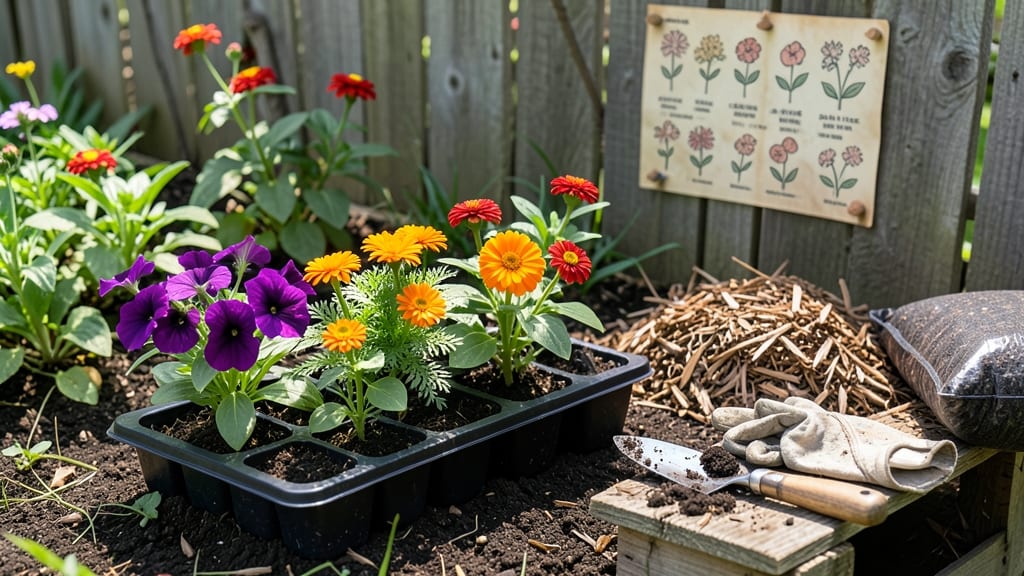
Timing your flower planting in Ohio isn't just about waiting for spring—it's about beating the last frost and giving your 🌸 blooms the best shot at thriving.
With USDA Zone 6a's unpredictable weather, planting too early can leave your delicate flowers vulnerable to frost damage, while waiting too long might mean missing the ideal growing window.
Most Ohio gardeners know the general rule: wait until after the last frost date, which typically lands between mid-April and mid-May. But the key to success lies in understanding how microclimates across the state—from Cincinnati's urban warmth to Cleveland's cooler valleys—can shift that window by weeks.
This is where local knowledge becomes your biggest advantage.
In this guide, I’ll break down the exact planting timeline for annuals, perennials, and bulbs, so you can confidently start seeds indoors, transplant seedlings, or sow directly into the garden.
You’ll also discover how to extend your growing season with simple tricks, ensuring your flowers bloom vibrantly from early summer through fall.
Whether you're a seasoned gardener or just starting, these insights will help you avoid common mistakes and make the most of Ohio’s growing season. Let’s get those flowers in the ground at the perfect time for a showstopping display!
Ohio’s frost-free dates by region: when to plant flowers safely
Ohio’s frost-free dates vary dramatically across its USDA Zones 5-6, meaning your Columbus garden may be ready weeks before Toledo’s coastal influence warms up. Understanding these regional differences is key to avoiding frost damage while maximizing bloom time.
For most of Ohio, the last average frost date falls between April 15 and May 10, but valleys and urban heat islands can shift this window by 2-3 weeks.
Annual flowers like marigolds and zinnias thrive when planted 2-3 weeks after your local frost date, while perennials such as coneflowers and black-eyed Susans can often handle early spring soil as long as nighttime temps stay above 32°F.
My rule of thumb? Wait until soil temps reach 60°F—a simple soil thermometer (or your elbow!) tells the story.
Microclimates matter more than you’d think. A south-facing slope in Youngstown might warm up 10 days earlier than a low-lying area in Cincinnati. Use resources like the Ohio State University Extension’s frost maps or the National Weather Service’s frost alerts to fine-tune your schedule. Pro tip: Sign up for local weather alerts—they’ll notify you the moment frost warnings pop up.
Historical data shows that Columbus averages its last frost on April 22, while Toledo’s Great Lakes influence delays it until May 5. Cleveland’s urban heat island can push its frost date back to April 28, but rural areas like Delaware often see frost as late as May 10. These dates aren’t set in stone—climate change is shifting them earlier by 1-2 weeks per decade, so always verify with recent records.
| Region | Last Frost Date (Avg) | Safe Planting Window | Annuals to Plant Early | Perennials to Plant Now |
|---|---|---|---|---|
| Columbus | April 22 | April 29 - May 15 | Pansies, Snapdragons | Coneflowers, Black-eyed Susans |
| Toledo | May 5 | May 12 - May 25 | Petunias, Geraniums | Daylilies, Lavender |
| Cleveland | April 28 | May 5 - May 20 | Marigolds, Zinnias | Rudbeckia, Shasta Daisies |
| Youngstown | May 10 | May 17 - June 1 | Impatiens, Begonias | Peonies, Iris |
| Cincinnati | April 15 | April 22 - May 5 | Sweet Alyssum, Lobelia | Salvia, Catmint |
For annual flowers, timing is everything. Plant cold-hardy varieties like pansies or snapdragons as soon as soil is workable (usually 2-3 weeks before your last frost date), but hold off on tender annuals like
Best flowers to plant early vs. late in Ohio’s season
Ohio’s unpredictable spring frost can make planting flowers feel like a guessing game, but timing is everything for vibrant blooms. The secret lies in choosing flowers that match Ohio’s two distinct planting windows: early for cold-tolerant varieties and late for heat-lovers.
I’ve tested these strategies in my own backyard garden, and the results speak for themselves—colorful blooms from spring to fall!
For early planting (March-April), focus on hardy annuals that can handle light frost and cooler temperatures. These flowers thrive when planted as soon as the soil is workable, often weeks before the last frost date.
Meanwhile, late-season planting (June-July) gives heat-loving varieties time to establish roots before Ohio’s summer heat peaks. Let’s dive into my top picks for each window.
🌱 Early Planting Flowers (March-April)
- Pansies – Thrives in cool weather, blooms until frost, and tolerates light frosts (USDA Zones 3-8).
- Snapdragons – Cold-hardy annuals that love full sun to partial shade and produce vibrant blooms from spring to fall.
- Sweet Alyssum – Drought-tolerant and frost-resistant, perfect for borders and containers.
- Calendula – Edible petals and self-seeds easily, blooming from early spring to late fall.
- Violas – Compact and shade-tolerant, ideal for early spring color in partial shade.
☀️ Late Planting Flowers (June-July)
- Marigolds – Heat-loving and pest-repellent, perfect for late summer blooms and companion planting.
- Zinnias – Thrives in full sun and hot weather, producing bold blooms until frost.
- Sunflowers – Fast-growing and drought-tolerant, great for late-season height and color.
- Cosmos – Self-seeding and drought-resistant, ideal for low-maintenance late blooms.
- Portulaca – Succulent-like annual that loves heat and thrives in poor soil.
Don’t overlook Ohio-friendly perennials like coneflowers, black-eyed Susans, and daylilies, which establish roots early and bloom reliably year after year. These perennials are my go-to for minimal frost risk and long-lasting color.
For example, coneflowers planted in early spring will reward you with months of purple blooms with almost no maintenance.
Pro tip: Use row covers or cold frames to extend your early planting window by 2-3 weeks for heat-sensitive varieties. I’ve used these tricks to get tomatoes and peppers started weeks ahead of schedule, and the same logic applies to flowers like petunias and geraniums.
Just remove covers when daytime temps rise above 70°F to prevent overheating.
For late-season planting, focus on succession planting to keep your garden blooming until frost. Replace spent summer flowers with cosmos or marigolds in July for a seamless transition into fall. My garden stays vibrant well into October this way!
Remember, Ohio’s microclimates vary wildly—urban areas like Columbus warm up faster than rural valleys. Always check your local last frost date (typically April 15-May 1) and adjust accordingly. With these strategies, you’ll have a showstopping garden from spring to frost! 🌷