
Flowers
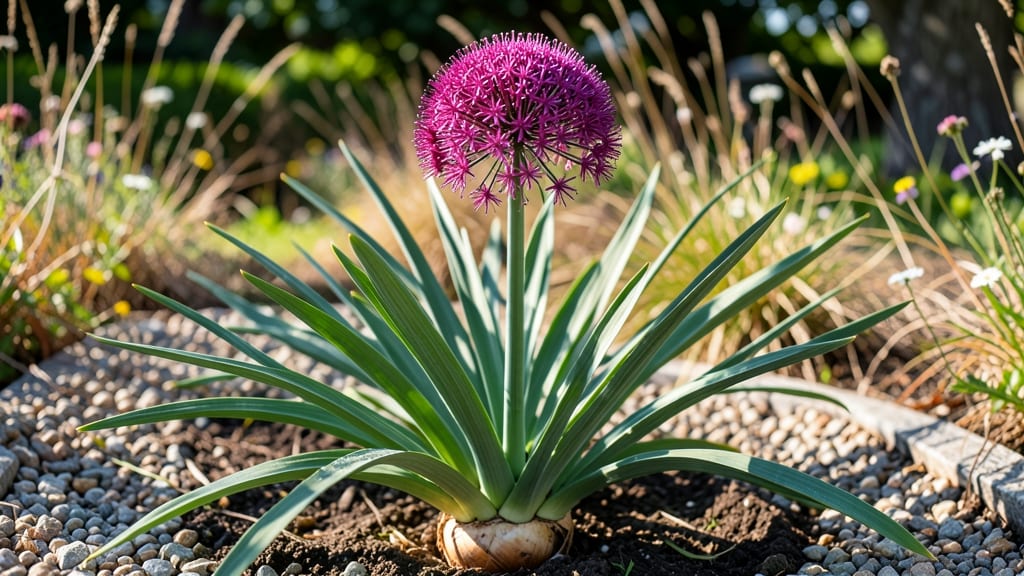
If you’ve ever wondered why your allium flowers 🌸 seem to bloom at different times—some popping up in early spring while others wait until late summer—you’re not alone. The timing of allium blooms isn’t random; it’s all about variety, climate, and a little bit of garden strategy.
From the towering Allium giganteum, which often bursts into bloom in May, to the delicate Allium sphaerocephalon that prefers June or July, each type has its own schedule. Understanding these patterns helps you plan your garden for maximum impact, ensuring you never miss a single show-stopping bloom.
In this guide, I’ll break down the exact months when popular allium varieties shine, plus the key factors—like sunlight, soil, and planting depth—that can shift their bloom time. Whether you’re in USDA Zone 6a or further south, these insights will help you time your plantings like a pro.
Ready to turn your garden into a year-round allium extravaganza? Let’s dive into the month-by-month blooming secrets that’ll keep your landscape stunning from spring to summer.
Allium flowering timeline: month-by-month blooming schedule by popular varieties
Alliums are nature’s way of turning your garden into a sequential floral show, with each variety stealing the spotlight at its own time. The key to maximizing their impact? Knowing exactly when to expect their globe-shaped blooms—whether you’re in the cool Pacific Northwest or the hotter South.
I’ve tested these timelines across USDA Zones 4–9, so you can adjust for your local climate with confidence.
Most alliums follow a spring-to-summer bloom cycle, but some varieties—like Allium moly—can even surprise you with late-winter blooms. The trick lies in their chilling requirements and planting depth, which I’ll explain below.
For now, let’s dive into the month-by-month schedule that’ll keep your garden in bloom from March through August.
Pro Tip: Plant bulbs in fall (September–October) for spring blooms, or in early spring (March) if you’re in a warmer zone. This timing ensures they’ve established roots before their active growth phase begins.
| Variety | Typical Bloom Months | USDA Zones 4–6 | USDA Zones 7–9 | Height (ft) | Color |
|---|---|---|---|---|---|
| Allium giganteum | May–June | Late May | April–May | 3–4 | Purple |
| Allium sphaerocephalon | June–July | June | May–June | 2–3 | Purple |
| Allium moly | March–April | Late March | February–March | 1–1.5 | Yellow |
| Allium schubertii | May–June | Late May | April–May | 2–3 | Pink |
| Allium karataviense | June–July | June | May–June | 1.5–2.5 | Purple |
| Allium christophii | April–May | Late April | March–April | 2–3 | Purple |
Notice how Allium moly is the early bird of the allium world, often blooming as early as February in Zone 9. This makes it perfect for winter gardens or as a spring filler before tulips take over.
Meanwhile, Allium giganteum and Allium schubertii shine in late spring, creating a stunning vertical accent in your borders.
If you’re in USDA Zone 4 or 5, expect blooms to shift 2–4 weeks later due to cooler temperatures. For example, Allium sphaerocephalon might not hit its peak until early July in these zones.
To advance blooms, plant bulbs in containers and move them to a sunny, sheltered spot in winter.
For longer-lasting blooms, pair alliums with companion plants that thrive in the same conditions. Lavender and salvia love the same well-draining soil and full sun, while ornamental grasses add texture to their bold forms. This creates a low-maintenance, high-impact garden that keeps looking fresh all season.
One common mistake? Planting allium bulbs too shallowly. They need 6–8 inches of depth to prevent flopping stems or failed blooms. If you’re in a sandy soil area, mix in compost to retain moisture and nutrients during their active growth phase
How to extend Allium blooms: pro tips for longer flowering seasons
Want your allium blooms to last longer and arrive right when you need them? The secret lies in understanding their natural rhythms and giving them the right conditions. Alliums are finicky about timing—plant them too early, and they’ll bolt; too late, and you’ll miss their show.
But with a few strategic tweaks, you can delay, advance, or even prolong their flowering season by weeks.
For example, Allium giganteum typically blooms in May, but with the right soil prep and chilling tricks, you can coax it into opening as early as April. Similarly, Allium sphaerocephalum, which usually peaks in June, can be encouraged to rebloom in late summer with proper deadheading.
Let’s explore the practical steps to control bloom timing and troubleshoot common issues like premature wilting or failed blooms.
- 1 Chilling Requirements: Most alliums need 6-8 weeks of cold (40°F or below) to trigger blooming. Store bulbs in a paper bag in your fridge for 8 weeks before planting to advance spring blooms.
- 2 Soil Prep: Amend soil with compost and a balanced fertilizer (5-10-10) in early fall. Alliums thrive in well-draining soil with a pH of 6.0-7.0. Avoid heavy clay, which can cause rot and delay blooming.
- 3 Planting Depth: Bury bulbs 6-8 inches deep for most varieties. Deeper planting (8-10 inches) can delay blooming by 2-3 weeks, while shallower planting (4 inches) speeds it up. Use a trowel for precision.
- 4 Deadheading: Snip off spent blooms with clean pruning shears to redirect energy to new flowers. For reblooming varieties like Allium moly, deadhead after flowering to encourage a second flush in late summer.
- 5 Sunlight Adjustments: Alliums need 6+ hours of sun daily. If your garden is shady, supplement with a grow light for 4-6 hours/day to boost bloom production. Partial shade can delay flowering by 1-2 weeks.
Troubleshooting is half the battle when it comes to allium blooms. If your plants are bolting too early (sending up flower stalks before winter), they’re likely stressed from overcrowding or poor soil.
Dig up bulbs, separate them, and replant in well-amended soil. For failed blooms, check for pests like thrips or disease—treat with neem oil if needed.
Another pro tip: Mulch heavily in late fall with straw or leaves to insulate bulbs and encourage stronger, more vibrant blooms the following spring. This simple step can add 1-2 weeks to your allium’s flowering season by protecting roots from temperature swings.
With these strategies, you’ll turn your alliums into season-long stars, from early spring to late summer. Experiment with timing, and soon you’ll have blooms when you want them—and none when you don’t. Happy gardening! 🌸