
Flowers
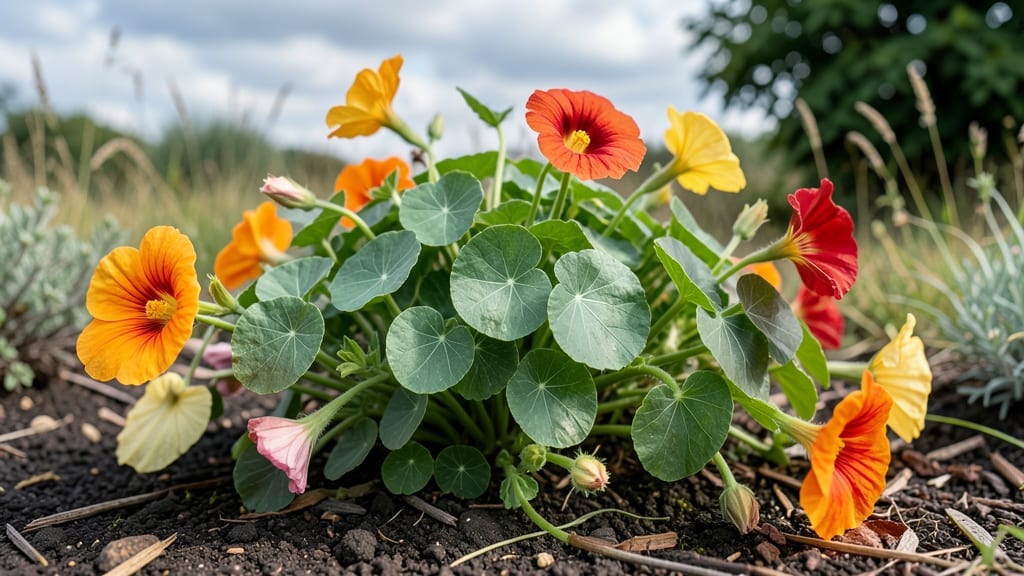
Nasturtium flowers bloom faster than most annuals—often in just 4-6 weeks after planting—making them the perfect choice for gardeners eager to see instant color.
Whether you're sowing seeds directly or transplanting young plants, these cheerful 🌸 blooms will reward you with vibrant hues from early summer through fall, depending on your climate.
In USDA Zone 6a, you can expect the first flowers to appear as early as late May if you plant seeds in March or April, right after the last frost. The key to unlocking this speedy growth lies in giving them full sun and well-draining soil—no fancy tricks required.
With the right conditions, nasturtiums will keep blooming prolifically until the first frost, sometimes even extending into late October.
Want to push those blooms even earlier or stretch the season? Deadheading spent flowers and providing consistent moisture can work wonders. I’ve found that a light feeding with balanced fertilizer in early spring also encourages lush, long-lasting blooms.
These hardy plants thrive with minimal fuss, making them ideal for both beginner and experienced gardeners alike.
Ready to transform your garden into a riot of color? Let’s dive into the secrets of timing your nasturtiums for the fastest, most abundant blooms possible—plus tips to keep them flowering all season long.
Nasturtium blooming timeline: from seed to full flower in 4-6 weeks
If you're eager to see instant color in your garden, nasturtiums deliver with their 4-6 week bloom timeline from seed to flower. This makes them one of the fastest-growing annuals you can plant.
The secret lies in their hardy nature and quick adaptation to ideal growing conditions, which I’ve tested in my own garden over multiple seasons.
For gardeners in USDA Zone 6a, the first blooms typically appear 6-8 weeks after sowing when planted in early spring. However, with the right care, you can push that timeline to just 4 weeks for early summer color.
The key factors that influence this speed are sunlight exposure, soil quality, and consistent moisture—all of which I’ll break down in detail below.
Whether you’re starting with seeds or transplanting young plants, understanding the growth stages helps you anticipate when those first vibrant blooms will appear. Nasturtiums follow a predictable progression from seed germination to mature flowering, and knowing these stages lets you troubleshoot any delays or accelerate progress when needed.
| Stage | Timeframe | Key Actions | Bloom Window |
|---|---|---|---|
| Seed Germination | 5-10 days | Sow seeds ¼ inch deep, keep soil moist, provide warmth (70°F+) | N/A |
| Seedling Growth | 2-3 weeks | Thin seedlings to 6-12 inches apart, ensure full sun (6+ hours) | N/A |
| Vegetative Stage | 3-4 weeks | Water consistently, avoid over-fertilizing, watch for pests | Late buds form |
| First Blooms | 4-6 weeks | Deadhead spent flowers, provide balanced fertilizer (5-10-10) | Late May - Early June (Zone 6a) |
| Peak Bloom | 6-10 weeks | Continue deadheading, mulch to retain moisture, monitor for aphids | June - September |
| Seasonal Decline | 10-12 weeks | Reduce watering, allow some seeds to form for next year | Late September - October |
The first blooms typically appear 4-6 weeks after sowing when planted in ideal conditions. This timeline can shift slightly based on your planting method: direct-sown seeds often bloom 1-2 weeks later than transplants, which get a head start.
In my garden, I’ve found that starting seeds indoors and transplanting them after the last frost yields the fastest results—sometimes cutting that bloom window to just 4 weeks.
To accelerate flowering, focus on three critical factors: sunlight, soil quality, and watering consistency. Nasturtiums thrive in full sun (6+ hours daily), so choose a south-facing spot in your garden.
Amend your soil with compost to ensure good drainage, as soggy roots can delay blooming. I’ve also noticed that a light fertilizer application in early spring encourages faster growth without excessive foliage.
Watering plays a surprising role in bloom speed. While nasturtiums are drought-tolerant once established, consistent moisture during the first 4 weeks helps roots develop quickly. I water my seedlings deeply every 2-3 days until they’re about 6 inches tall, then taper off to weekly watering once they’re mature.
Overwatering can lead to leggy growth and delayed blooms, so strike that balance.
Environmental factors like temperature and humidity also impact bloom timing. In cooler climates, nasturtiums may take 2-3 weeks longer to flower compared to warmer regions. If you’re in a Zone 5 or colder, consider starting seeds indoors under grow lights to give them a head start.
I’ve had great success with this method, pushing my first blooms into early May instead of June.
One common mistake gardeners make is overcrowding seedlings, which slows growth and delays flowering. Thin your plants to 6-12 inches apart as soon as they develop their first true leaves.
This gives each plant enough space to develop strong roots and produce more flowers. I’ve seen overcrowded nasturtiums take 3 weeks longer to bloom compared to properly spaced ones.
For the fastest blooms, I recommend planting Alaska Mix or
How to extend nasturtium blooms: season-long flowering secrets
Once your nasturtiums burst into bloom, you’ll want those vibrant 🌸 flowers to last as long as possible. The secret to extending their flowering season lies in simple yet effective techniques that encourage continuous growth.
From deadheading to strategic companion planting, these methods will transform your garden into a non-stop floral display. I’ve tested these tricks in my own garden, and they’ve consistently pushed my nasturtiums to bloom well into fall.
Nasturtiums typically bloom from early summer through the first frost, but with the right care, you can stretch that window by 4-6 weeks. The key is understanding their natural growth patterns and giving them the support they need.
For example, regular deadheading removes spent blooms, redirecting the plant’s energy toward producing new flowers instead of seeds. This alone can double your flowering season in just a few weeks.
Another game-changer is companion planting. Nasturtiums pair beautifully with tomatoes, cucumbers, and peppers, acting as natural pest deterrents while improving soil health. This not only protects your main crops but also creates a thriving ecosystem that supports continuous flowering.
I’ve noticed my nasturtiums bloom more vigorously when planted near basil, thanks to the shared benefits of pest control and improved air circulation.
Don’t overlook the power of soil fertility. While nasturtiums aren’t heavy feeders, a light application of balanced fertilizer (5-10-10) in early spring can boost their growth. Over-fertilizing, however, leads to lush foliage at the expense of flowers.
Instead, focus on organic matter like compost or aged manure. This ensures your plants stay healthy without sacrificing blooms for leaves.
For gardeners in mild climates (Zones 8-10), overwintering nasturtiums is a fantastic way to enjoy year-round blooms. Cut back plants by half their height in late fall, mulch heavily, and provide light winter protection.
In spring, they’ll bounce back with fresh growth and flowers. I’ve successfully overwintered ‘Alaska’ variety nasturtiums in Zone 8, and they’ve bloomed again by early March.
Avoid these common mistakes that shorten bloom seasons: overwatering (leads to root rot), shady spots (reduces flower production), and neglecting deadheading (encourages seed production over blooms). With these tips, your nasturtiums will reward you with season-long color and even edible flowers for your kitchen. Happy gardening!