
Blooming
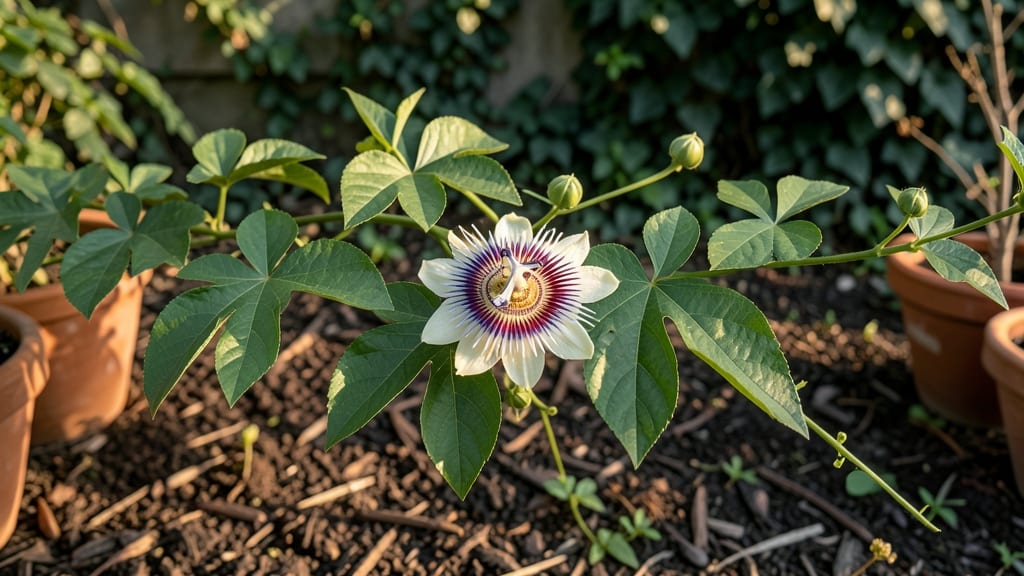
If you’ve ever wondered why your passionfruit vine 🍈 seems to take forever to flower—or why some years it blooms like crazy while others barely bud—timing is the secret.
Passionfruit flowering isn’t just about luck; it’s a precise dance between your climate zone, care routine, and even the variety you’ve planted.
In warmer zones like 10-12 (or 9 with winter protection), you’ll typically see those striking purple or yellow blooms year-round, with peak flowering between spring and early summer.
But cooler zones? That’s where things get tricky—late winter pruning and winter protection can shift your bloom window by months.
Here’s the game-changer: small tweaks—like adjusting sunlight, pruning at the right time, or even how you fertilize—can push your vine to flower weeks earlier or guarantee a heavier harvest.
I’ll break down the exact months for your zone, plus the 3 biggest mistakes that stall blooms (and how to fix them).
Ready to turn your vine into a flowering powerhouse? Let’s get into the details so you can enjoy those sweet, tropical fruits sooner than you think.
Passionfruit flowering timeline by USDA Zone: month-by-month breakdown
Timing your passionfruit blooms starts with knowing your USDA zone. In Zone 8, vines like Passiflora edulis (purple passionfruit) often kick off flowering in late March, while Zone 11 gardeners can expect year-round blooms with peaks in spring and fall.
Regional microclimates—like coastal California’s mild winters or Florida’s humidity—can shift these windows by 4-6 weeks.
Temperature is the key trigger: most varieties need consistent warmth above 60°F to set buds.
In Zone 9, expect April-May as the prime window, while Zone 10 vines may bloom as early as February in frost-free areas. Passiflora ligularis (yellow passionfruit) tends to flower 2-3 weeks later than its purple cousin.
| USDA Zone | Early Blooms | Peak Blooms | Late Blooms | Temp Trigger |
|---|---|---|---|---|
| Zone 8 | Late March | April-May | June | 60°F+ |
| Zone 9 | Early March | April-June | July-August | 55°F+ |
| Zone 10 | February | March-May | September | 50°F+ |
| Zone 11 | Year-round | Spring/Fall | Winter lull | 65°F+ |
*Regional variations apply—coastal areas may bloom earlier due to milder winters.
In Zone 8, the first blooms appear in late March as daytime temps climb above 65°F.
These early flowers often get nipped by late spring frosts, so protect young vines with frost cloth if nights dip below 40°F. Peak flowering stretches from April to May, aligning with humidity spikes—critical for pollinator activity.
Gardeners in Zone 9 enjoy a longer bloom window, from early March to August. Here, Passiflora ligularis often blooms 2-3 weeks later than purple varieties, giving you a staggered harvest.
In southern California, coastal areas may see earlier blooms (as early as February) due to milder winters.
For Zone 10, flowering can begin as early as February, with two distinct peaks: spring (March-May) and a fall surge (September).
In Florida, summer heat may cause a brief lull in July-August, but vines rebound quickly once temps drop below 90°F. Yellow passionfruit often blooms 10-14 days later than purple types.
Zone 11 gardeners have the luxury of year-round blooms, though peak periods still occur in spring and fall. Summer’s intense heat (above 95°F) can stress vines, causing bud drop.
Providing afternoon shade and daily watering keeps blooms steady. Winter lulls (December-February) are normal, but vines recover quickly with warmth above 60°F.
Regional quirks matter: Florida’s humidity boosts pollinator activity, while California’s dry summers may delay blooms until fall rains return. In Zone 9-10 coastal areas, ocean breezes can advance blooming by 3-4 weeks compared to inland zones.
Always monitor your vine’s leaf color—dark green leaves signal readiness to bloom, while yellowing may mean nutrient stress.
Pro tip: Use a gardening journal to track your vine’s first blooms for 3 years—this helps predict harvest windows. In Zone 8-9, early blooms often yield smaller fruits, while summer/fall blooms produce larger
How to trigger passionfruit blooms early (or fix late flowering)
If your passionfruit vine 🍈 is slow to flower, don’t blame your green thumb—it’s likely a mix of light deprivation, over-fertilizing with nitrogen, or missing winter chill hours.
Passionfruit thrives on balance: too much leafy growth (from excess nitrogen) means fewer blooms, while pruning at the wrong time can delay flowering by months. The good news? With a few targeted adjustments, you can push blooms weeks or even months earlier.
First, let’s tackle the biggest myth: passionfruit vines don’t need frost, but they do need a cool winter rest period (50–60°F nights) to reset their growth cycle. In USDA Zones 9–11, this means winter pruning in late January or February to stimulate spring blooms.
Cooler zones (like Zone 8) may need winter protection—like row covers—to avoid stunted growth.
Timing depends on climate and care:
- Zones 10–12: Blooms year-round, peaks spring–summer (Feb–Jun).
- Zones 8–9: Late winter–early spring (Feb–Apr) after pruning.
- Potted vines: Delay blooms if overwatered or under-lit.
Mistake: Skipping winter chill = no blooms in cooler zones.
To trigger early blooms, start with pruning. Cut back 1/3 of last year’s growth in late winter (just as new shoots appear). This redirects energy from leaf production to flower buds. Avoid heavy pruning in summer—it stresses the vine and delays blooming.
For potted passionfruit, move plants to a sunniest spot (6+ hours of light) and reduce water slightly to mimic drought stress, which can trigger blooms.
Fertilizer is another game-changer. Passionfruit hates high-nitrogen feeds (like lawn fertilizer), which promote leaves but block flowers. Switch to a balanced NPK (7-7-7 or 10-10-10) in early spring and summer, then shift to a low-nitrogen, high-phosphorus (like 5-10-10) when buds form.
I’ve seen vines go from zero blooms to heavy flowering in 6 weeks after this switch!
Watering plays a sneaky role too. Passionfruit needs consistent moisture, but overwatering in summer can drown buds. Water deeply in the morning (1–2 gallons per plant) and mulch to retain moisture.
If your vine is wilting or dropping buds, it’s likely thirsty—adjust to daily watering during heatwaves. Pro tip: Drip irrigation keeps soil evenly moist without wetting leaves (which reduces fungal risks).
Finally, sunlight is non-negotiable. Passionfruit is a sun-worshipper—if your vine is in partial shade, it’ll focus on survival, not blooming. Move it to full sun (or supplement with a grow light if potted).
In hot climates, provide afternoon shade to prevent leaf scorch, but ensure morning sun for blooms. I once had a vine in 50% shade that barely budded—moving it to full sun doubled its flowers in one season.
With these tweaks, you’ll see earlier, heavier blooms and a harvest that’s months ahead of schedule. Start with pruning and fertilizer, then fine-tune water and light, and watch your vine transform from lazy to flowering machine! 🌱