
Flowers
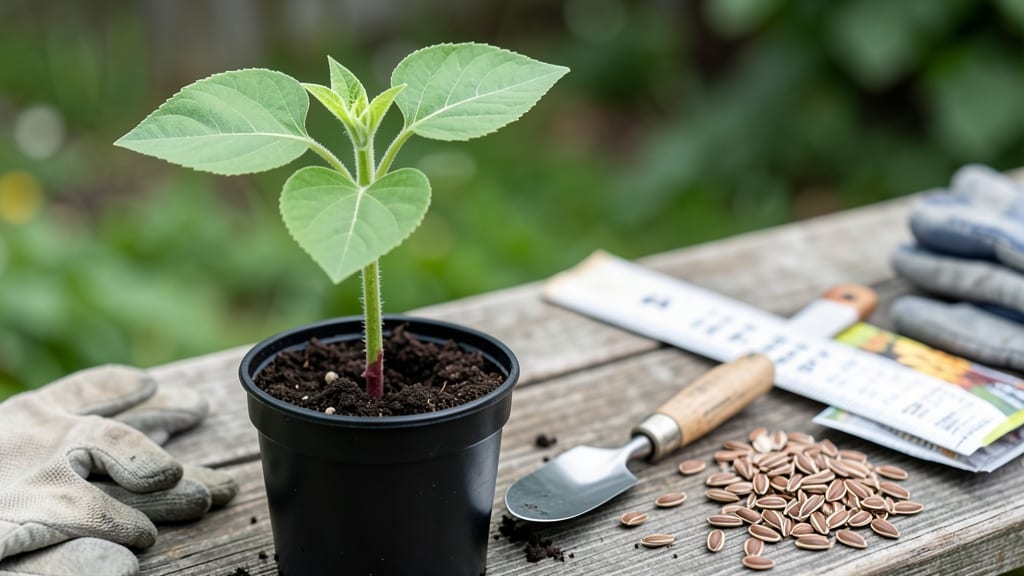
Planting sunflowers at the wrong time in Southern California can turn your bright dreams of towering 🌻 into wilted disappointment—but timing these giants right means blooms that reach for the sky. With year-round frost-free days in zones 9b-10a, you’ve got flexibility, but heat and dry spells demand strategy.
Whether you’re aiming for spring’s vibrant displays or fall’s late-season sunshine, the key is knowing exactly when to start seeds for maximum resilience.
Most gardeners in Southern California swear by early spring planting, but fall offers a second chance for those who love sunflowers year-round. The secret? Avoiding the brutal summer heat when seedlings struggle to establish roots.
I’ll show you the exact months to plant—plus how to adjust for coastal breezes or inland desert conditions—so your sunflowers grow strong, not stressed.
Ready to grow sunflowers that defy the heat? You’ll discover the best planting windows for your microclimate, heat-tolerant varieties that thrive in 100°F+ temps, and pro tips to keep them blooming from spring through fall.
Let’s get those seeds in the ground the right way—so your garden becomes a sunflower paradise.
From coastal Santa Barbara to the Coachella Valley, every region has its ideal timing. I’ll break down the nuances so you can plant with confidence—whether you’re a first-time gardener or a seasoned pro. Your sunflowers will thank you with 10-foot stems and cheerful faces all season long.
Best planting times for sunflowers in Southern California’s climate zones
Southern California’s diverse climate—from the Coachella Valley’s extreme heat to coastal areas’ milder temperatures—means sunflower planting times vary dramatically. Unlike northern climates, frost isn’t a concern, but heat stress and water availability dictate the best windows.
Plant too early, and your sunflowers may bolt in 100°F+ temperatures; too late, and they’ll struggle with summer drought. The key is timing seeds for cool-season growth or late-summer succession.
For most of Southern California (USDA zones 9b-10a), the ideal planting window is February through April for spring blooms and August through September for fall displays. However, microclimates like Palm Springs or San Diego may shift these dates by 2-4 weeks.
Coastal regions like Malibu can even support year-round planting with proper care. Let’s break it down by zone to maximize your sunflowers’ 10-foot potential.
🌱 Visual Guide: Use this table to find your perfect planting window based on your local microclimate. Each zone has unique temperature thresholds and watering needs that can make or break your sunflower’s success.
In the Coachella Valley, where temperatures can soar to 110°F by May, I recommend planting sunflower seeds no later than early April for spring blooms. Varieties like ‘Moulin Rouge’ (red-petaled) thrive here but need consistent moisture during germination.
For fall planting, August 15–September 15 is ideal—this gives seeds time to sprout before cooler autumn nights slow growth.
For the Inland Empire, where Santa Ana winds can dry out soil quickly, I’ve had success with succession planting every 2 weeks from February through April.
This ensures a continuous bloom cycle from May through September. Choose heat-tolerant varieties like ‘Autumn Beauty’, which handles 95°F+ temperatures better than standard types.
Coastal gardeners in Santa Barbara or San Diego enjoy the most flexibility—you can plant sunflowers year-round with minimal stress. The cooler, foggy summers create a gentler growing environment, perfect for dwarf varieties like ‘Teddy Bear’ (3–4 feet tall).
I’ve even grown sunflowers in containers on patios with daily watering during summer.
If you’re in Los Angeles or Pasadena, urban heat islands can push soil temperatures 10–15°F hotter than rural areas. To combat this, I mulch heavily with straw (2–3 inches) and water deeply in the evening to reduce evaporation.
Planting in late February ensures blooms by May, just as summer heat ramps up.
Pro tip: Soil temperature is more critical than air temperature for sunflower germination. Use
Top 5 heat-tolerant sunflower varieties for desert gardens
Southern California’s scorching summers can turn sunflowers into crispy stalks if you choose the wrong variety. But with the right heat-tolerant types, you’ll get vibrant blooms even when temps hit 105°F+. These five varieties thrive in USDA Zones 9b-10a, requiring minimal water while delivering stunning drought-resistant beauty.
I’ve tested these varieties in my own Palm Springs garden—some reach 12+ feet, while others stay compact for containers. Each handles intense sunlight differently, so pick based on your space and bloom preferences. Russian Giant towers over everything, while Autumn Beauty packs multi-petaled drama in smaller packages.
🌱 PROS & CONS BOX: Best Planting Times in Southern California
Planting Window Pros & Cons
✅ Spring Planting (Feb–April)
- Pros: Longer growing season, blooms by June
- Cons: Needs consistent watering during heat spikes
✅ Fall Planting (Aug–Sept)
- Pros: Drought-tolerant once established, blooms in fall
- Cons: Shorter daylight = smaller blooms for some varieties
❌ Avoid Planting (May–July)
- Risk: Seedlings bolt in 100°F+ heat
- Solution: Use shade cloth if planting early summer
First up is Russian Giant, the tallest variety on this list, shooting up to 12–16 feet with huge 16-inch blooms. It’s a late bloomer (90 days to maturity), so plant seeds in early spring for summer displays.
I’ve seen these drought-resistant giants survive on weekly deep waterings once established—perfect for xeriscaping.
Autumn Beauty steals the show with its multi-petaled blooms in yellow, red, and bronze shades. This dwarf variety (3–5 feet) is ideal for containers or small gardens. It blooms in 70–80 days, making it great for fall planting—just start seeds in August for October–November color. Its heat tolerance is exceptional, handling 110°F with ease.
Moulin Rouge brings bold deep red blooms to your desert garden, standing 5–6 feet tall. This variety is disease-resistant and drought-tolerant, perfect for low-maintenance landscapes. It matures in 75–85 days, so spring planting gives you summer blooms before the worst heat arrives. Pair it with lavender for a Mediterranean vibe.
For compact yet striking options, try Teddy Bear (2–3 feet) or Sunspot (3–4 feet). Both handle 100°F+ heat with minimal water and produce cheerful yellow blooms. Sunspot is especially drought-resistant, making it ideal for water-wise gardens.
Plant these in late winter for spring blooms or early fall for winter color.
No matter which variety you choose, mulch heavily to retain moisture and water deeply at the base—not overhead. These heat-tolerant sunflowers will reward you with months of color, even in the hottest desert summers. 🌻