
Plants
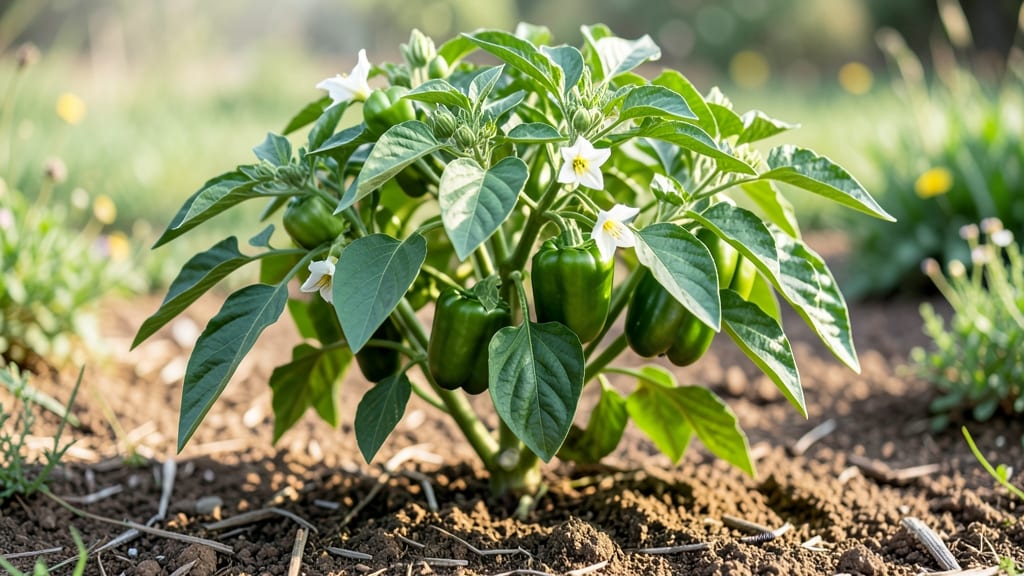
If you're growing 🌶️ pepper plants and wondering when do pepper plants flower, timing is everything—and it all depends on your USDA zone. Most pepper varieties take 60–90 days after transplanting to flower, but cooler climates like Zone 6 can push that window later into summer.
Temperature plays the biggest role in triggering blooms, with ideal conditions hovering around 65–75°F. In Zone 6, where spring planting happens after the last frost, expect flowering to kick off in late June or early July, just as daylight stretches longer.
But don’t panic if your plants lag—varieties like bell peppers and jalapeños have different schedules.
To encourage flowering, focus on sunlight exposure and balanced fertilization. Peppers need 6+ hours of direct light daily, and a 10-10-10 NPK ratio keeps them thriving.
Once you spot those tiny buds forming at the leaf nodes, you’re on the right track—just watch for pests like aphids that might mimic early blooms.
In this guide, I’ll break down exactly when to expect flowers in your zone, plus tips to speed up the process. Whether you’re growing sweet bells or fiery jalapeños, knowing these signs will help you plan for a harvest from July to October.
How USDA zones determine pepper flowering timing
Understanding USDA hardiness zones is key to predicting when your pepper plants will flower. These zones, ranging from Zone 3 to Zone 11, dictate how quickly pepper varieties transition from seedlings to blooming plants.
In warmer zones like Zone 10, peppers may start flowering as early as 60 days after transplanting, while in cooler Zone 5, you might not see flowers until 90 days or later.
Temperature plays a critical role in triggering pepper flowering. Most bell peppers need consistent 65°F+ daytime temperatures to form buds, while hot peppers like jalapeños and habaneros often require even warmer 70°F+ conditions.
Nighttime temperatures dropping below 55°F can delay or prevent flowering entirely, especially in Zone 4 and colder climates.
The USDA zone system also influences your planting timeline. Gardeners in Zone 11 can start peppers in early spring, while those in Zone 6 must wait until after the last frost date—typically mid-May—to avoid frost damage. This timing difference directly impacts when you’ll see those first pepper flower buds appear.
Here’s how USDA zones break down for common pepper varieties and their average flowering windows:
| USDA Zone | Avg. Days to Flower | Best Varieties | Key Temperature Threshold | Flowering Window |
|---|---|---|---|---|
| Zone 3-4 | 90-120 days | Early Jalapeño, Hungarian Wax | 65°F+ daytime | Late July - August |
| Zone 5 | 75-90 days | Bell Boy, Early California Wonder | 68°F+ daytime | Mid-July - September |
| Zone 6-7 | 60-75 days | Jalapeño M, Banana Pepper | 70°F+ daytime | June - August |
| Zone 8-9 | 50-65 days | Cayenne, Cherry Bomb | 72°F+ daytime | May - July |
| Zone 10-11 | 45-60 days | Habanero, Thai Hot | 75°F+ daytime | April - June |
In Zone 10 and 11, where winters are mild, pepper plants can even produce year-round blooms if given consistent warmth and sunlight. This is why gardeners in these zones often enjoy earlier harvests and multiple pepper crops per year.
For example, a habanero pepper in Zone 11 might flower just 45 days after transplanting, while the same variety in Zone 6 could take up to 90 days.
If you’re in a cooler zone like Zone 5, extending your growing season with row covers or greenhouses can help create the ideal 65°F+ conditions needed for flowering. Even a few degrees of extra warmth can shave weeks off your pepper’s time to bloom.
For instance, using a low tunnel might push your jalapeño flowers to appear in late June instead of August.
Daylight length also plays a subtle but important role. Pepper plants are short-day plants, meaning they flower more readily when daylight hours begin to shorten—typically in late summer. However, in Zone 10
Signs your pepper plant is ready to flower (and what to do next)
When your pepper plants start showing signs of flowering, it’s a clear signal that your hard work is paying off. Recognizing these visual cues early helps you adjust care routines to maximize fruit production.
The transition from leafy growth to flowering marks the shift from vegetative to reproductive stages—critical for a successful harvest.
One of the first physical indicators is the appearance of small, green flower buds at the leaf nodes. These buds typically form where leaves meet the stem, often near the top of the plant.
Pay close attention to the stem thickness and leaf spacing, as denser growth patterns often precede flowering.
- 🌱 5-7 leaf nodes: Flower buds often appear after the 5th-7th leaf on mature plants.
- 🌿 Green buds: Tiny white or green buds form at leaf junctions—check regularly.
- ✂️ Thicker stems: A sturdier stem indicates the plant is ready to support fruit.
- ☀️ 6+ sunlight hours: Ensure full sun exposure to trigger flowering.
- 💧 Balanced watering: Avoid overwatering—consistent moisture without soggy soil.
Once you spot those flower buds, act quickly to optimize conditions. Start by adjusting your fertilizer ratio—switch to a low-nitrogen, high-phosphorus blend (e.g., 5-10-10 NPK) to encourage blooming. Phosphorus fuels flower and fruit development, while excess nitrogen promotes leafy growth at the expense of flowers.
Pruning is another key step. Remove any yellowing leaves or leggy growth to redirect energy toward flowering. Focus on side shoots near the main stem, as these often produce the most flowers. Just be careful not to over-prune—leave enough foliage to photosynthesize and support the plant’s energy needs.
Light is non-negotiable for flowering. Pepper plants need 6-8 hours of direct sunlight daily. If your plants are indoors or in partial shade, supplement with grow lights to maintain consistent light exposure.
Weak or sparse flowering often signals insufficient light—move plants to a sunnier spot immediately if you notice buds dropping.
Watch out for common mistakes that delay flowering, like overwatering or nutrient deficiencies. Overwatered plants develop root rot, while underwatered plants struggle to absorb nutrients. Aim for deep watering every 3-5 days, letting the top inch of soil dry out between sessions.
Yellow leaves or stunted growth? It’s time to check your soil pH and nutrient levels.
With the right care, your pepper plants will transition smoothly from buds to blooms—and eventually to a bountiful harvest. Keep an eye on those flowering cues, adjust your routine, and soon you’ll be enjoying homegrown peppers straight from your garden! 🌶️