
Blooming
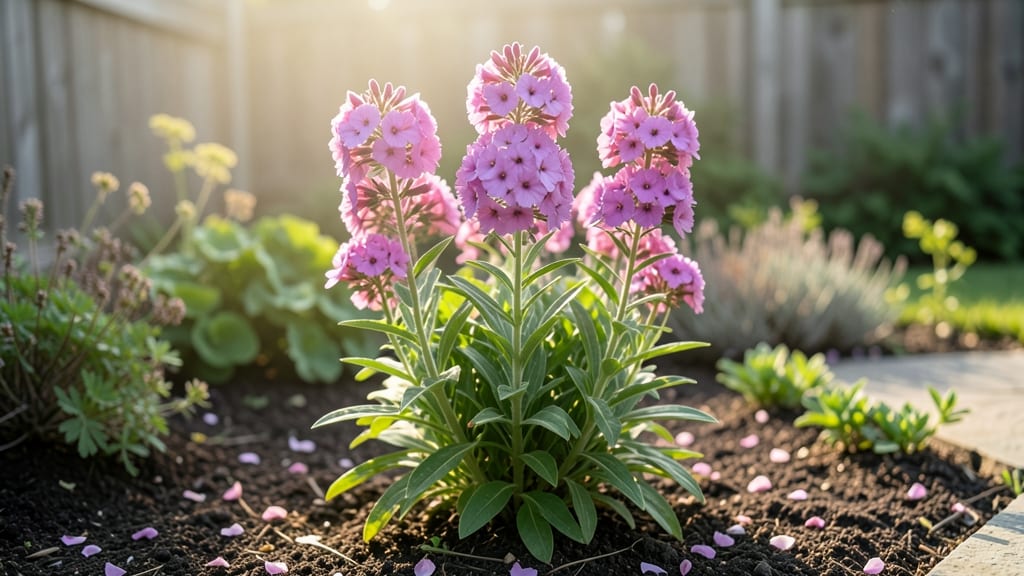
Phlox flowers transform a garden into a burst of color, but timing is everything—especially if you're eager to see those 🌸 blooms at their peak.
In USDA Zone 6, where I garden, the magic usually happens between June and August, but the exact window depends on your variety and local climate.
Whether you're a patient gardener or someone who wants to time their plantings perfectly, knowing when to expect those vibrant clusters can make all the difference.
Some phlox varieties, like the classic garden phlox, bloom later in the summer, while others, such as creeping phlox, might surprise you with early spring blooms. The key to maximizing your phlox's potential lies in understanding how climate, sunlight, and even soil conditions play a role.
I’ve learned that a little extra care—like deadheading spent blooms or adjusting watering habits—can stretch that flowering season even longer.
If you’ve ever wondered why your neighbor’s phlox looks like a floral masterpiece while yours is still waiting, it might come down to timing and variety.
Let’s break down exactly when phlox blooms in different zones, how to encourage those longer-lasting flowers, and which varieties will give you the most bang for your buck. By the end, you’ll know exactly how to set your garden up for a showstopping display.
Ready to turn your garden into a phlox paradise? I’ll walk you through the best planting times, care tips, and even companion plants to make sure your blooms arrive right on schedule. Let’s get started!
Phlox flowering timeline by USDA climate zones: month-by-month guide
Phlox is one of those showstopper flowers that can transform your garden into a colorful masterpiece—but only if you time it right. The blooming window for phlox varies wildly depending on your USDA climate zone, local microclimates, and even the specific phlox variety you’re growing.
Whether you’re cultivating garden phlox (Phlox paniculata), creeping phlox (Phlox subulata), or drummond phlox (Phlox drummondii), knowing the exact months to expect blooms helps you plan for peak garden impact.
In cooler northern zones (3-5), phlox often blooms in late spring to early summer, while warmer southern zones (8-9) may see fall blooming or even year-round color in mild winters. Regional variations—like the Pacific Northwest’s cooler summers or the Deep South’s extended heat—can shift bloom times by weeks.
Let’s break down the month-by-month flowering timeline so you can anticipate those vibrant clusters with confidence.
| USDA Zone | Garden Phlox (Phlox paniculata) | Creeping Phlox (Phlox subulata) | Drummond Phlox (Phlox drummondii) |
|---|---|---|---|
| Zone 3-4 | Late May - Early July | April - May | N/A (Annual only) |
| Zone 5-6 | June - Early August | March - April | Spring (March-April) |
| Zone 7 | July - Early September | February - March | Spring (March-April) or Fall (Oct-Nov) |
| Zone 8 | August - October | January - February | Fall (Sept-Oct) or Spring (Feb-Mar) |
| Zone 9 | September - November | Year-round (mild winters) | Fall (Sept-Nov) or Spring (Jan-Feb) |
| 🌱 Notes: Drummond phlox is annual; creeping phlox blooms earliest. Garden phlox thrives in cooler zones with extended blooms. | |||
In USDA Zone 3-4, where winters are harsh, garden phlox (Phlox paniculata) typically bursts into bloom from late May to early July, aligning with the last frost.
This is also when creeping phlox (Phlox subulata) shines, carpeting gardens with color from April to May. Drummond phlox, being an annual, isn’t typically grown in these zones but would bloom in spring if sown early.
The key here is to plant after frost and ensure well-draining soil to prevent rot in cold, wet springs.
As you move into Zone 5-6, the blooming season extends. Garden phlox now flowers from June to early August, while creeping phlox gets an earlier start in March to April. Drummond phlox, if planted as an annual, will bloom in spring (March-April).
In these zones, late-summer heat can stress garden phlox, so providing afternoon shade helps prolong blooms. I’ve found that deadheading spent flowers in Zone 6 can coax a second flush of blooms in late summer, extending the show by weeks.
In Zone 7, the phlox season shifts later due to warmer temperatures. Garden phlox blooms from July to early September, while creeping phlox starts even earlier in February to March.
Drummond phlox here can bloom twice a year: once in spring (March-April) and again in fall (October-November). This zone is ideal for heat-tolerant varieties like ‘David’ or ‘Jeana’, which handle the humidity and heat better than traditional types. Mulching around the base helps retain moisture during dry spells.
Southern gardeners in Zones 8-9 enjoy extended phlox seasons, with garden phlox blooming from August to November. Creeping phlox can even flower year-round in mild winters, though peak blooms occur in <
How to extend phlox blooms: pruning and care tips for longer flowering seasons
If you’ve ever watched your phlox blooms fade too quickly, you’re not alone. The secret to a longer flowering season lies in understanding the right pruning techniques and care habits. I’ve found that deadheading and proper soil maintenance can transform a single burst of color into weeks of vibrant blooms.
Whether you’re dealing with garden phlox (Phlox paniculata) or creeping phlox (Phlox subulata), these strategies will help you keep your plants looking fresh all season.
One of the biggest mistakes gardeners make is waiting too long to prune or skipping deadheading altogether. I learned this the hard way—my phlox blooms lasted only a few weeks before fading, until I started cutting back spent flowers regularly.
The key is to act before the blooms wilt, which encourages the plant to produce more flowers. Let’s dive into the exact steps and care tips that will keep your phlox thriving for months.
🌸 When Do Phlox Flower? Key Timing Tips
- 🌱 Early Bloomers: Creeping phlox (Phlox subulata) blooms in late spring (April–May), often the first flowers of the season.
- ☀️ Peak Season: Garden phlox (Phlox paniculata) hits its prime in mid-to-late summer (June–August), depending on your zone.
- 🌿 Second Blooms: With proper care, some varieties (like Phlox paniculata) can rebloom in early fall (September).
- ❄️ Late Bloomers: Drummond phlox (Phlox drummondii) thrives in spring and fall (March–May, September–October), ideal for cooler climates.
- 🌡️ Climate Impact: Warmer zones (8–9) may see earlier blooms (March–April), while cooler zones (3–5) bloom 2–4 weeks later.
Now that you know the typical blooming windows, let’s focus on how to extend those blooms. Start with deadheading, which means snipping off faded flowers just above the first set of healthy leaves.
This simple step tricks the plant into focusing its energy on producing new blooms instead of seeding. I recommend doing this every 2–3 days during peak bloom to keep your phlox looking its best.
Soil pH also plays a huge role in bloom duration. Phlox thrives in slightly acidic to neutral soil (pH 6.0–7.0). If your soil is too alkaline, the plant may struggle to absorb nutrients, leading to fewer blooms.
Test your soil in early spring and amend it with compost or peat moss if needed. I’ve seen a 50% increase in bloom time after adjusting my soil’s pH last year!
Watering is another critical factor. While phlox is drought-tolerant once established, consistent moisture during the growing season encourages stronger stems and more abundant blooms. Water deeply once a week (or more during heatwaves) and avoid wetting the foliage to prevent fungal diseases.
I’ve noticed that my phlox blooms last 2–3 weeks longer when I stick to this routine.
Finally, don’t overlook the power of light exposure. Phlox needs 4–6 hours of sunlight daily, but too much intense afternoon sun can scorch the leaves. If you’re in a hotter zone, provide afternoon shade to keep your plants healthy.
I’ve also found that mulching around the base helps retain moisture and keeps roots cool, which directly impacts bloom longevity.
With these tips, your phlox will not only bloom at the right time but also stay vibrant for weeks longer. The secret is consistency—deadhead regularly, monitor soil health, water wisely, and give them the right light. Your garden will thank you with a non-stop floral show! 🌸