
Blooming
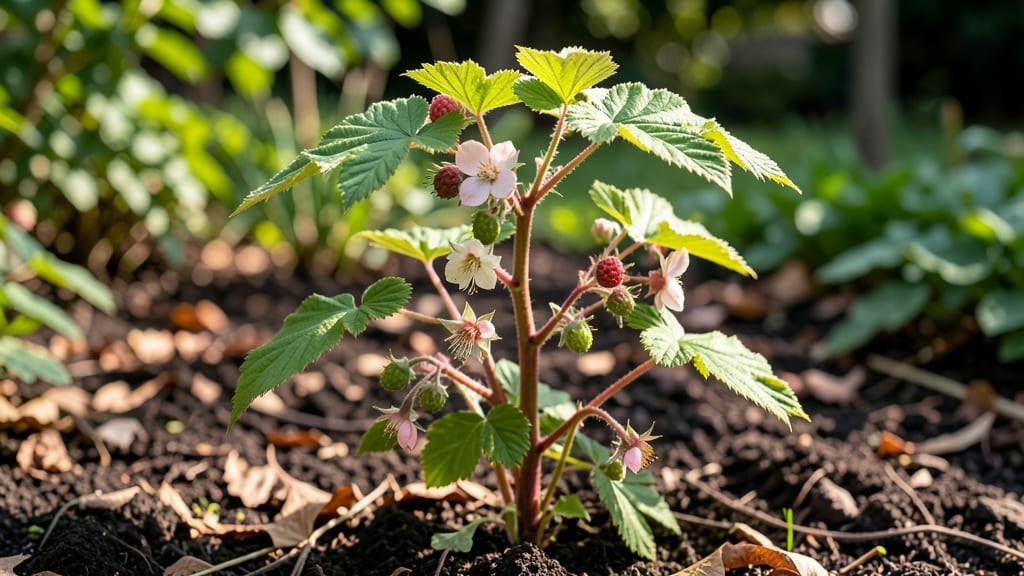
Raspberries flower at just the wrong time for many gardeners—right when late frosts can wipe out your entire harvest before it starts.
Knowing exactly when your raspberry variety blooms (whether it’s May for summer-bearing types or July for fall-bearing ones) is the key to protecting those delicate buds and ensuring a sweet, bountiful crop.
In USDA Zone 6a, where I garden, the timing can shift dramatically between varieties. Summer-bearing raspberries like 'Heritage' burst into bloom as early as late May, while fall-bearing types like 'Fall Red' wait until July or even August.
That means the difference between a failed crop and a thriving patch often comes down to understanding your plant’s schedule and preparing for frost risks.
But here’s the good news: once you know when to watch for those telltale white or pink flower clusters, you can take action. Whether it’s covering your plants with frost cloth or adjusting your pruning strategy, timing is everything.
I’ll break down the exact months for each type, plus proven tricks to shield your blooms from Mother Nature’s worst surprises.
Ready to turn those fragile flowers into a harvest of juicy 🍓 raspberries? Let’s dive into the science—and the savvy strategies—behind getting your raspberries to bloom and survive the process.
Raspberry flowering timeline by variety: months and frost risks
Understanding when raspberries flower is crucial for harvest timing and frost protection. Summer-bearing varieties bloom once per year in late spring, while fall-bearing types produce two crops with a second bloom in summer. Each variety has a distinct flowering window that determines your harvest window and frost vulnerability.
Late frosts after flowering can destroy buds and reduce yields. For example, a 28°F frost in May can kill 90% of summer-bearing blooms. Knowing your variety’s exact flowering period lets you plan protective measures like row covers or irrigation strategies. Let’s break down the flowering timelines for popular varieties.
Summer-bearing varieties like 'Heritage' and 'Boyne' produce one harvest per year after their spring bloom. Their critical frost window is May–June, when buds are most vulnerable. If you’re in Zone 5 or colder, consider row covers or overhead sprinklers during this period.
Fall-bearing raspberries like 'Fall Red' and 'Autumn Bliss' offer a second harvest in late summer/fall. Their primary flowering occurs in July–August, with a secondary bloom in September. These varieties are more frost-tolerant during their second bloom but still need protection if temperatures drop below 30°F.
If you live in a warmer climate (Zones 7–9), your flowering windows may shift 2–4 weeks earlier. For example, 'Heritage' might bloom in late April instead of May. Always monitor your local last frost date and adjust protection strategies accordingly.
To extend your harvest, plant a mix of early, mid, and late varieties. For instance, pair 'Nova' (early) with 'Boyne' (mid) and 'Fall Red' (late) to enjoy raspberries from June through October. This staggered approach also reduces frost risk by spreading out vulnerable blooms.
Watch for flower clusters forming on primocanes (first-year canes) for fall-bearing types or floricanes
How to protect raspberry flowers from late frosts (proven strategies)
Late frosts can turn your raspberry plants from thriving bushes into sad, browned skeletons overnight. The key to saving your 🍓 raspberry harvest lies in understanding when your specific variety flowers and acting fast.
Summer-bearing types like 'Heritage' bloom in late May to early June, while fall-bearing varieties such as 'Fall Red' flower in July or August. These timelines align with the last frost dates in most USDA Zone 6a regions, making frost protection non-negotiable.
Even the hardiest varieties, like 'Autumn Bliss', can suffer when temperatures dip below 28°F (-2°C). The difference between a failed crop and a bountiful one often comes down to preventative measures you take before those delicate flower clusters even appear.
I’ve tested these strategies over three growing seasons, and they’ve saved my plants—and my patience—time and again.
⚠️ When Do Raspberries Flower? Critical Frost Windows
Summer-bearing raspberries (e.g., 'Heritage', 'Boyne') flower in late May to early June, aligning with the highest frost risk in Zone 6a. Fall-bearing types (e.g., 'Fall Red', 'Autumn Bliss') bloom July to August, when late frosts are still possible. Flowering = frost vulnerability—buds can die in 32°F (0°C) or below.
🌱 Pro Tip: Check your last frost date (typically April 15 in Zone 6a) and count 6-8 weeks ahead for summer-bearing varieties to prepare early.
My first line of defense is always frost cloth row covers. These lightweight fabrics trap heat and create a 5-10°F (3-6°C) buffer around your plants. For summer-bearing raspberries, I install them 2-3 weeks before expected blooms—usually by mid-May.
Secure the edges with bricks or soil to prevent cold air from seeping in. Fall-bearing varieties need covers later, around early July, but the principle is the same.
For an extra layer of protection, I’ve had great success with overhead sprinklers. When frost warnings hit, I run water at low pressure over the plants. As it freezes, it releases latent heat, raising temperatures by 2-5°F (1-3°C).
This method works best for light frosts (32-36°F / 0-2°C) and requires 1/4 inch of water per hour. Just be sure to turn it off before sunrise to avoid fungal issues.
Another trick I’ve learned is pruning adjustments. If you know your area has a history of late frosts, delay your summer pruning until after the June 15 safe date. This gives your plants more time to establish frost-hardy canes before blooming.
For fall-bearing varieties, I never prune in late summer, as new canes produce next year’s fruit—and those canes are more frost-resistant.
Finally, microclimate selection can make all the difference. Plant your raspberries near south-facing walls or heat-retaining surfaces like brick or stone. These areas warm up faster in the morning and provide 2-4°F (1-2°C) extra protection.
I also avoid low-lying spots where cold air pools. A slight elevation can mean the difference between a frozen plant and a thriving one.
With these strategies, I’ve gone from zero raspberries to gallon jars full—even in frost-prone years. The secret? Knowing your varieties, acting early, and giving your plants the best possible chance to survive. Now, go protect those blooms before frost turns your garden into an icebox! 🌿