
Flowers
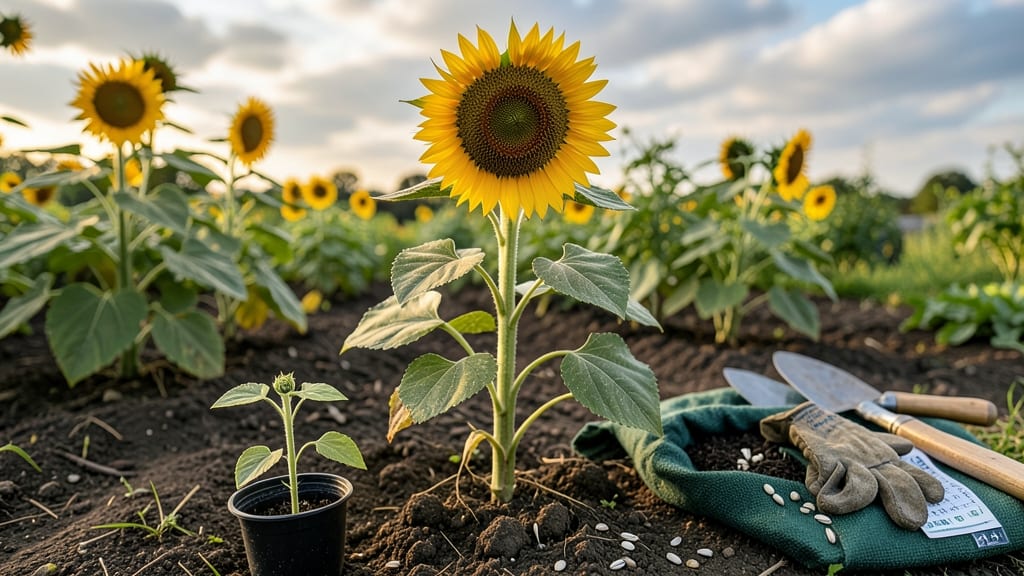
Planting sunflowers in Indiana at the wrong time can leave you staring at a patch of dirt instead of towering 🌻 blooms by summer. The key to fast germination and strong growth lies in waiting until soil temperatures hit 50°F—typically mid-April to early June after the last frost.
Indiana’s USDA zones 5b-6a mean you’ve got a narrow window to get seeds in the ground before summer heat arrives. Whether you’re in rural areas or urban neighborhoods, timing matters more than you might think—especially when choosing between quick-sprouting varieties and those that need more time to mature.
I’ll show you exactly how to test soil warmth, pick the right sunflower types for your climate, and avoid common mistakes that slow down growth. With the right approach, you’ll have vibrant blooms ready for late summer harvests—no guesswork required.
Ready to transform your garden? Let’s dive into the fastest, most reliable methods for Indiana sunflowers that actually thrive.
Indiana sunflower planting timeline based on soil temperature zones
Indiana’s diverse climate—from the cool northern hills to the warmer southern valleys—means your sunflower planting timing should match your microclimate. Sunflowers need soil temperatures of 50°F+ to germinate, but frost risks vary by region.
In northern Indiana (USDA Zone 5b), wait until mid-May for safety, while southern Indiana (Zone 6a) gardeners can start as early as late April. Understanding these triggers ensures your sunflowers sprout quickly and avoid frost damage.
Urban areas like Indianapolis often experience heat islands, where soil warms faster than rural spots. This means city gardeners can plant 1-2 weeks earlier than their rural counterparts.
Always check your last frost date (typically April 15 in the north, March 30 in the south) and add 2-3 weeks as a buffer before planting. For example, if your frost date is May 1, aim for May 15 to ensure no surprise cold snaps.
Here’s how Indiana’s three key regions differ in planting windows, based on soil temperature and frost-free dates:
For Hoosier hills and elevated areas, soil stays cooler longer. If you’re in a wooded or shaded spot, delay planting until mid-May to avoid late frost risks. Conversely, south-facing slopes warm up faster—ideal for early plantings.
Test your soil’s warmth by pressing your hand into the ground; if it feels lukewarm (not hot), it’s ready for seeds.
Indiana’s short-season varieties (like ‘Autumn Beauty’ or ‘Moulin Rouge’) can handle late starts if planted by June 1. These types bloom faster (in 60–70 days) and tolerate cooler soils.
For giant sunflowers (e.g., ‘Russian Giant’), stick to April–May plantings to give them 120+ days to mature before frost. Late plantings may result in stunted growth or no blooms.
If you’re unsure about your local frost dates, check the Indiana State Climate Office or use a frost calendar app. Add 2 weeks to your last frost date as a safety margin.
For example, if your area’s average last frost is May 1, wait until May 15 to plant. This buffer accounts for unpredictable weather patterns and ensures your sunflowers have time to establish roots before summer heat arrives.
Direct-sowing sunflower seeds is easiest, but you can start indoors 2–3 weeks early if you’re worried about slow soil warming. Use biodegradable pots and transplant seedlings after the last frost. Harden them off by placing them outside for 2–3 hours daily for a week before transplanting.
This method works well for northern Indiana gardeners who face cooler springs. Just remember: sunflowers hate transplant shock, so handle seedlings gently!
Once planted, mulch around the base with straw or grass clippings to retain soil warmth and prevent temperature swings. This is especially helpful in northern Indiana, where nighttime temps can drop quickly. Mulch also suppresses weeds
How to test and prepare Indiana soil for sunflower germination
Sunflowers need warm soil to germinate quickly, and Indiana’s cool springs can delay sprouting if you plant too early. The secret to success? Testing soil temperature with a soil thermometer—aim for at least 50°F before sowing seeds.
Most Indiana gardeners hit this mark between mid-April and early May, but northern regions may need to wait until late May.
Even if the air feels warm, cold soil can stunt growth or prevent germination entirely. I’ve seen seeds rot in 48-hour tests when planted in 45°F soil, so don’t rush! Patience here means faster, stronger sunflowers later.
Step-by-step soil prep ensures your sunflowers thrive from day one. Follow these 7 key steps to create the perfect growing environment:
One of my biggest mistakes was skipping the soil test and planting early. My sunflowers took 3 weeks to sprout instead of the usual 10 days—costing me precious growing time. Now, I always test first and adjust my planting schedule accordingly.
For heavy clay soils (common in northern Indiana), add 1 part peat moss to 3 parts soil to lighten the mix.
This helps roots penetrate easily and prevents waterlogging, which can rot seeds before they even sprout. Pro tip: Work amendments into the soil 1-2 weeks before planting to let them settle.
Once your soil is prepped, you’re ready to plant! Direct-sow seeds 1 inch deep and 6 inches apart for standard varieties. Thin seedlings to 12-18 inches apart when they’re 3-4 inches tall to give them room to grow.
With the right soil prep, you’ll see fast germination and taller sunflowers by summer.
🌱