
Plants
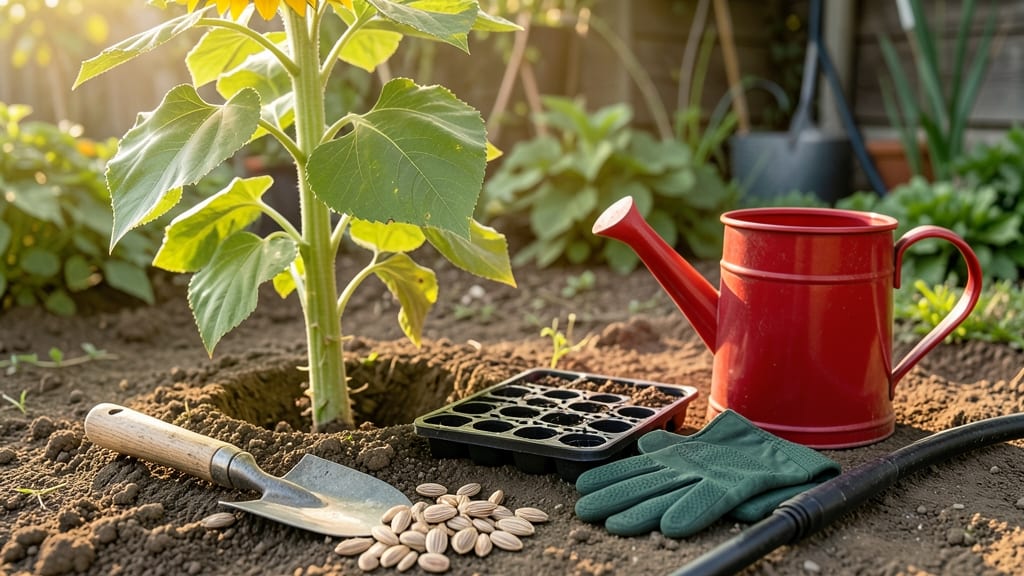
Planting sunflower seeds in Florida isn't just about sticking them in the ground—it's about timing them perfectly to beat the heat and humidity. With year-round growing potential but zero frost risk in most zones, you've got a unique advantage over gardeners in colder climates.
Most gardeners assume spring is the only window, but Florida's 9a-11 climate lets you plant sunflowers 🌻 almost anytime. The key is avoiding the brutal summer heat when seedlings struggle to establish roots.
I'll show you exactly when to start seeds for bigger blooms and how to work around Florida's unpredictable weather patterns.
Whether you're in North Florida where light frosts can still sneak in or South Florida where they're rare, the right timing makes all the difference. You'll learn how to stretch your growing season for continuous blooms and which sunflower varieties handle Florida's heat best.
Ready to grow sunflowers that reach their full potential? Let's dive into the exact planting schedule that works for Florida's unique conditions—no more guessing games, just proven success for your garden.
Best planting windows for Florida sunflowers by heat zone
Florida’s 9 USDA heat zones (8A–10A) create dramatic differences in sunflower planting success. While South Florida (10A) enjoys year-round growth, North Florida (8A) faces occasional light frosts that demand precise timing.
The key? Plant when soil temperatures hit 60°F+ and humidity stays below 85% for 24 hours—both critical for germination.
Most gardeners in Florida’s warmest zones (9B–10A) can direct-sow sunflower seeds year-round, but spring (Feb–April) and fall (Sept–Nov) yield the most vibrant blooms. In cooler zones (8A–8B), aim for March–May to avoid late-winter frosts that can blacken tender seedlings.
Humidity also plays a role—high humidity slows germination, so prioritize well-draining soil and morning watering.
Pro Tip: Test soil temperature with a soil thermometer before planting. Sunflowers need 60–70°F soil to sprout reliably. In Zone 8A, wait until mid-March when nights are consistently above 50°F. For Zones 9A–10A, you can start as early as January for fall blooms or August for spring.
| Heat Zone | Best Planting Window | Soil Temp Threshold (°F) | Humidity Risk | Key Consideration |
|---|---|---|---|---|
| 8A (North FL) | March 15–April 30 | 60–65°F | High (fungal risk) | Avoid late frosts; use row covers |
| 8B (Panhandle) | March 1–May 15 | 60–68°F | Moderate | Fall planting possible (Sept–Oct) |
| 9A (Central FL) | Jan 15–April 30 or Sept 1–Nov 15 | 65–70°F | Moderate (summer humidity) | Succession plant every 2 weeks |
| 9B (South FL) | Year-round (best Feb–May, Sept–Dec) | 68–75°F | High (summer) | Shade cloth for summer plantings |
| 10A (Miami/Keys) | Year-round (peak Jan–March, Aug–Oct) | 70–78°F | Very High | Raise beds for drainage |
In Zone 8A, where light frosts can still occur, I recommend starting seeds indoors in late February and transplanting after April 15. For Zones 9A–10A, fall planting (Sept–Nov) often produces taller, hardier stems thanks to cooler temperatures and lower humidity.
However, watch for hurricane season—if a storm is forecast, delay planting until after October 15 to avoid wind damage to seedlings.
Soil prep is non-negotiable in Florida’s clay-heavy or sandy soils. Amend with 2–3 inches of compost and 1 inch of perlite to improve drainage. Sunflowers hate soggy roots, so raised beds are ideal in Zones 9B–10A. In Zone 8A, add a mulch layer (straw or pine needles) to insulate roots during cool nights.
Humidity is the silent killer of sunflower seedlings. In Zones 9A–10A, where afternoon humidity often exceeds 80%, I water only in the morning and use fungicide dust on seeds at planting.
For Zone 8A, a lightweight row cover for the first 2 weeks prevents fungal diseases like d
How to time sunflower planting for maximum Florida bloom success
Florida’s unpredictable weather—from sudden summer heat spikes to hurricane season rains—can turn sunflower planting into a high-stakes game. The key to continuous blooms is planting at the right time to avoid heat stress on seedlings and overwhelming humidity that encourages fungal diseases.
I’ve grown sunflowers in North Florida’s 8A zone and South Florida’s 10A climate, and these timing tricks work for both.
Most gardeners focus on spring planting, but Florida’s long growing season lets you plant sunflowers twice a year for back-to-back blooms. The secret? Start seeds when soil temps hit 60–65°F—not air temps—and space plantings 6–8 weeks apart to stretch the season.
This avoids the July–August heat wall when seedlings often fail to germinate or bolt too quickly.
- 1. Early Spring Planting: Start seeds in January–February (North FL) or February–March (South FL) for summer blooms. Soil should be 60–65°F—use a soil thermometer to check!
- 2. Fall Planting: Sow seeds in August–September for winter blooms. Avoid planting after October 15 in North FL to prevent frost damage (rare but possible).
- 3. Hurricane-Proofing: Plant dwarf varieties (like ‘Teddy Bear’) in September–October to avoid wind damage. Stake tall varieties early if planting in hurricane-prone zones.
- 4. Succession Planting: Sow new seeds every 3–4 weeks from January–June and August–October for non-stop blooms. This works even in South Florida’s heat if you water deeply.
- 5. Heat Escape Hatch: If planting in May–June, use shade cloth (30%) for seedlings until they reach 6 inches tall. This buys time until temps drop in late summer.
Here’s the golden rule for Florida sunflowers: Plant when the sun is strong but the soil is still cool. This means avoiding April–May in North Florida (temps often exceed 85°F by midday) and June–July in South Florida (where humidity hovers at 90%).
Instead, aim for early mornings in March or late afternoons in September when the ground retains moisture longer.
Don’t let Florida’s unpredictable summer rains fool you—sunflowers need consistent moisture during germination but drainage that prevents root rot. I’ve seen seedlings drown in tropical downpours if planted in heavy clay.
Amend your soil with compost or perlite to improve drainage, and always plant on raised beds or mounds if your yard floods easily.
For continuous blooms, pair your sunflower schedule with companion plants like bush beans or marigolds. These distract pests while sunflowers grow, and their shorter maturity times let you rotate crops.
In South Florida’s 10A zone, I’ve had sunflowers bloom from March–June and again from September–December using this method—no gaps in my garden’s color palette!
Pro tip: Mark your planting dates on a garden calendar and track moon phases for extra growth boosts. Sunflowers respond well to rooting-phase plantings (new moon to first quarter), giving you 20% taller stems and bigger blooms.
It’s a small tweak that makes a huge difference in Florida’s competitive growing season.