
Flowers
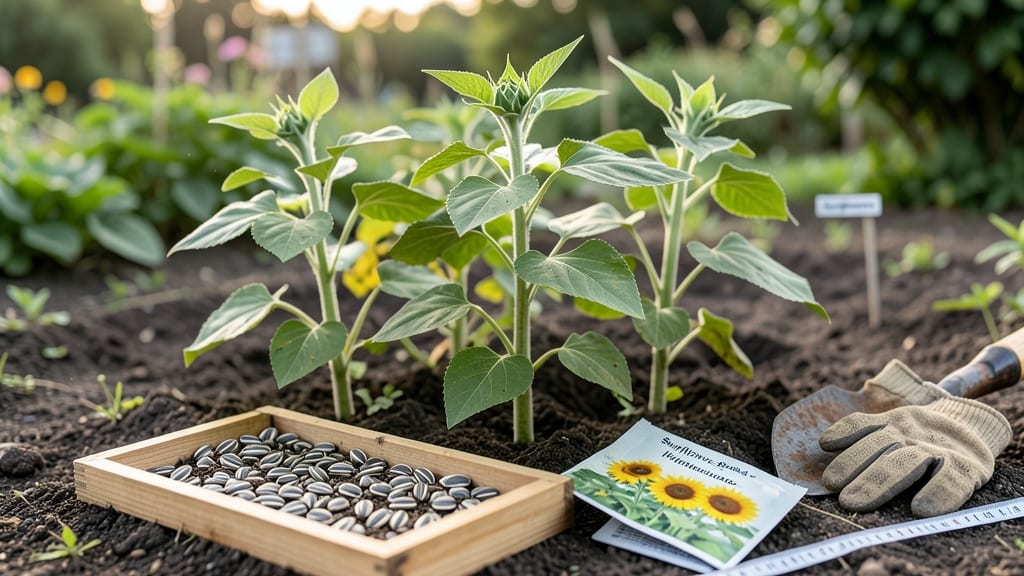
Planting sunflowers in Ohio isn't just about waiting for spring—it's about timing them perfectly to beat frost and harness the state's 165 frost-free days.
Too early, and a late freeze will nip those 🌻 seedlings in the bud; too late, and summer's heat might stunt their growth before they reach their towering potential.
Ohio's USDA zones 6a-6b mean your planting window can shift dramatically from Toledo's cooler north to Cincinnati's milder south. The key? Soil temperatures of 55°F+ and waiting until after the last frost—typically mid-April to mid-June, but with county-specific nuances you'll want to know.
Whether you're sowing seeds directly or starting indoors, I'll break down the exact steps to maximize your sunflowers' height and harvest. From choosing the right varieties for Ohio's short season to adjusting for unpredictable weather, you'll learn how to turn your garden into a sunflower oasis.
Let's dive into the game-changer timing tips that'll have your sunflowers thriving from Columbus to Cleveland—and keep them blooming until early fall.
Ohio sunflower planting calendar: last frost & soil temperature guides by county
Ohio’s sunflower planting success hinges on two critical factors: last frost dates and soil temperatures. While most Ohioans fall into USDA zones 6a-6b, microclimates create county-specific windows.
Northern Ohio’s Toledo area faces later frosts than Cincinnati’s southern warmth. For optimal growth, wait until soil reaches 55°F+—cold soil stunts germination.
Sunflowers thrive in Ohio’s 6-8 hours of daily sun, but timing varies. Northern Ohio (e.g., Cleveland) typically plants in late April to early May, while Southern Ohio (e.g., Dayton) can start as early as mid-April.
Central Ohio’s Columbus sits in the middle, with April 20–May 10 as the sweet spot.
Here’s your county-by-county planting guide, including last frost averages and soil temperature thresholds for sunflower success:
For direct sowing, drop seeds 1 inch deep and 6 inches apart. Thin seedlings to 12–24 inches apart once they’re 3–4 inches tall. If your soil feels cold, try starter pots indoors 4–6 weeks before your region’s last frost—just transplant after soil warms.
Ohio’s clay-heavy soils can delay warming. Test soil with a soil thermometer (or your elbow—if it’s cold, wait!). Mulch with straw to retain heat and moisture once planted. In Northern Ohio, consider fast-maturing varieties (e.g., ‘Teddy Bear’) to avoid autumn frosts.
Pro tip: Succession plant every 2 weeks in May–June for continuous blooms. Southern Ohio’s longer season lets you try taller varieties like ‘Russian Giant,’ while Northern Ohio gardeners should stick to dwarf or medium-height types to avoid flopping in winds.
Watch for false springs—late frosts can still hit in May. If nighttime temps drop below 40°F, protect young plants with frost cloth. Sunflowers are drought-tolerant once established, but consistent moisture in their first 4–6 weeks ensures strong stems.
Harvest time arrives 70–120 days after planting, depending on variety. Southern Ohio may see blooms as early as late July, while Northern Ohio gardens might wait until early September. Save seeds for next year by letting a few heads dry on the stem!
🌻
How to adjust sunflower planting for Ohio’s unpredictable weather
Ohio’s spring weather can be as changeable as a sunflower’s petals in the wind—one day warm enough to plant, the next bringing frost that can devastate tender seedlings. If you’ve ever watched your 🌻 seedlings wilt overnight, you know how critical it is to adapt your planting strategy.
The key is balancing soil temperature, frost dates, and protective measures like row covers or indoor starts.
For most of Ohio, the last frost date falls between mid-April and early May, but this varies wildly by county.
Northern Ohio (like Toledo) might see frost lingering until May 10, while Southern Ohio (like Cincinnati) could be frost-free by April 15. Soil temperature is just as important—wait until the ground warms to at least 55°F before planting outdoors, or your seeds may rot.
Here’s the game-changer: Ohio’s clay-heavy soils can hold cold longer than sandy soils. Amend your beds with compost or sand to improve drainage and warmth absorption. This small step can mean the difference between thriving sunflowers and a failed crop.
⚠️ Ohio Frost Risk: Don’t Guess—Plan Ahead!
Ohio’s unpredictable late frosts can strike as late as May 15 in Northern Ohio. If you plant outdoors too early, a single 28°F night can kill seedlings. Solution: Use row covers or start seeds indoors 4–6 weeks before last frost for a head start.
🌱 Pro Tip: Monitor your local Almanac frost predictor or use a soil thermometer to confirm 55°F+ before direct sowing.
If you’re planting outdoors, opt for direct sowing after last frost—sunflowers hate transplanting. Scatter seeds 1 inch deep and 6 inches apart, then thin seedlings to 12–24 inches apart once they’re 3–4 inches tall.
For extra protection, use floating row covers until soil warms consistently, especially in Northern Ohio where frosts linger.
For a foolproof method, start seeds indoors under grow lights 4–6 weeks before your area’s last frost date. Use biodegradable pots to avoid root disturbance when transplanting. Harden off seedlings by placing them outdoors for 2–3 hours daily the week before transplanting to prevent shock.
Don’t forget to prepare your beds early. Ohio’s clay soil can be heavy and compacted, which stunts root growth. Work in 2–3 inches of compost and a balanced fertilizer (5-10-10) before planting.
Mulch with straw or grass clippings to retain moisture and regulate soil temperature—critical when Ohio’s spring swings between 40°F mornings and 80°F afternoons.
With these adjustments, you’ll turn Ohio’s unpredictable weather into an advantage. Whether you’re growing ‘Moulin Rouge’ for its vibrant blooms or ‘Autumn Beauty’ for its long vase life, timing and soil prep will ensure your sunflowers reach their full 6–14-foot potential—even in Ohio’s short growing season. 🌻