
Flowers
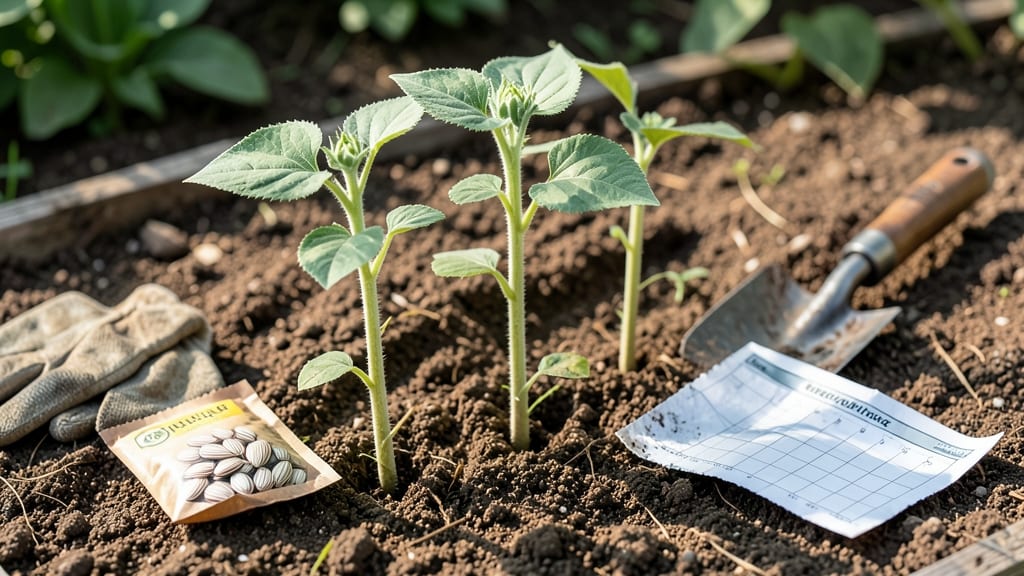
Planting sunflowers in Ohio at the wrong time can mean the difference between towering 🌻 blooms and sad, stunted stalks—especially when frost sneaks in earlier than expected.
The key to success isn’t just waiting for spring; it’s knowing exactly when to get those seeds in the ground so they have 165 frost-free days to reach their full potential.
Ohio’s USDA zones 6a-6b give you a narrow window—typically mid-April to early June—but timing varies wildly across counties like Cincinnati, Toledo, or Columbus. One week too early, and a late frost could wipe out your seedlings.
Too late, and you’ll miss the chance for those 8-14-foot giants to mature before winter sets in.
I’ve tested the best strategies for Ohio’s unpredictable climate, from soil temperature tricks to county-specific frost dates. Whether you’re a beginner or a seasoned gardener, these insights will help you avoid common mistakes and maximize your sunflower harvest from late July to October.
Ready to grow sunflowers that rival your neighbor’s? Let’s break down the perfect planting schedule—plus how to adjust for Ohio’s microclimates—so you can enjoy those golden blooms all season long.
Ohio’s best sunflower planting dates by growing Zone (with county examples)
Ohio’s USDA growing zones 5-7 create distinct planting windows for sunflowers, where timing can mean the difference between 10-foot giants and stunted blooms. Unlike hardy perennials, sunflowers are annuals that need warm soil (at least 55°F) to germinate.
In colder northern Ohio (Zone 5), you’ll plant 3-4 weeks earlier than in southern Ohio (Zone 7), where summers stretch longer.
Most Ohio gardeners direct-sow seeds after the last frost, but transplanting 4-6 week old seedlings can extend your window if you’re in a high-frost-risk county.
For example, Toledo’s Zone 5b has a May 1 planting deadline for 90-day varieties, while Cincinnati’s Zone 6b can safely sow until June 1.
Here’s the county-specific breakdown you need to avoid frost damage and maximize bloom time:
In Columbus (Zone 6a), where the average last frost is April 15, I start seeds indoors by March 15 for transplanting after frost. For direct sowing, wait until April 20 to ensure soil warmth.
Meanwhile, Toledo’s Zone 5b gardeners should hold off until May 1—any earlier, and a late frost will
5 Critical factors that determine your sunflower planting timeline in Ohio
Ohio’s unpredictable spring weather means the calendar isn’t enough to determine when to plant sunflowers. I’ve learned the hard way that even a one-week delay can turn your dream garden into frost-nipped disappointment.
The key is understanding five critical factors that override the standard planting dates—factors like your local microclimate, soil temperature, and the maturity group of your sunflower variety.
For example, a 60-day variety like ‘Teddy Bear’ needs to be planted 4-6 weeks earlier than a 100-day giant like ‘Mammoth’. Meanwhile, Toledo’s cooler lake-effect microclimate can delay planting by 10-14 days compared to Columbus. These nuances are what separate successful sunflower gardens from failed ones in Ohio.
- 🌡️ Soil Temperature: Wait until soil reaches 55°F+—use a soil thermometer to avoid cold damage. Northern Ohio (Zones 5-6) often needs to wait until mid-May for safe planting.
- ❄️ Frost History: Check your county’s average last frost date (e.g., Cincinnati: April 15; Cleveland: May 1). Add a 2-week buffer for late-spring planters to account for unpredictable cold snaps.
- ⏳ Maturity Group: 60-day varieties (e.g., ‘Sunspot’) can handle earlier planting, while 100-day giants (e.g., ‘Russian Giant’) need a late-May start to avoid frost before blooming.
- 🌿 Microclimate: Urban areas (e.g., Columbus) warm up faster than rural zones. Plant 1-2 weeks earlier in city gardens where concrete absorbs heat.
- 📅 Moon Phases: Plant during the waxing moon (root growth phase) for stronger seedlings. Ohio’s best planting window aligns with the April-May waxing moon.
Let’s dive deeper into how these factors interact. For instance, if you’re growing a 100-day variety in Zone 6a, you’ll need to plant by June 1 to ensure blooms before the first frost.
But if you’re in Zone 5b (like Youngstown), that window shrinks to May 15—unless you use row covers to extend the season.
One of my biggest mistakes was planting ‘Mammoth’ sunflowers in early May without checking soil temperature. The 50°F soil slowed germination, and a late frost took out half my seedlings.
Since then, I’ve made it a rule to test soil warmth and adjust planting dates accordingly. A soil thermometer is your best friend in Ohio’s variable climate.
Don’t overlook microclimates either. My neighbor in Toledo plants sunflowers 2 weeks later than me in Columbus because lake breezes keep her soil cooler. Even within cities, south-facing gardens can be 2-3°F warmer than north-facing spots, giving you an earlier planting edge.
To simplify, use this frost buffer calculator: Subtract your sunflower’s maturity days from your county’s average first frost date (e.g., 120 days for ‘Russian Giant’ + 14-day buffer = plant by June 1 in most of Ohio).
For late starters, row covers or black plastic mulch can add 2-3 extra weeks of growing time.
🌻