
Flowers
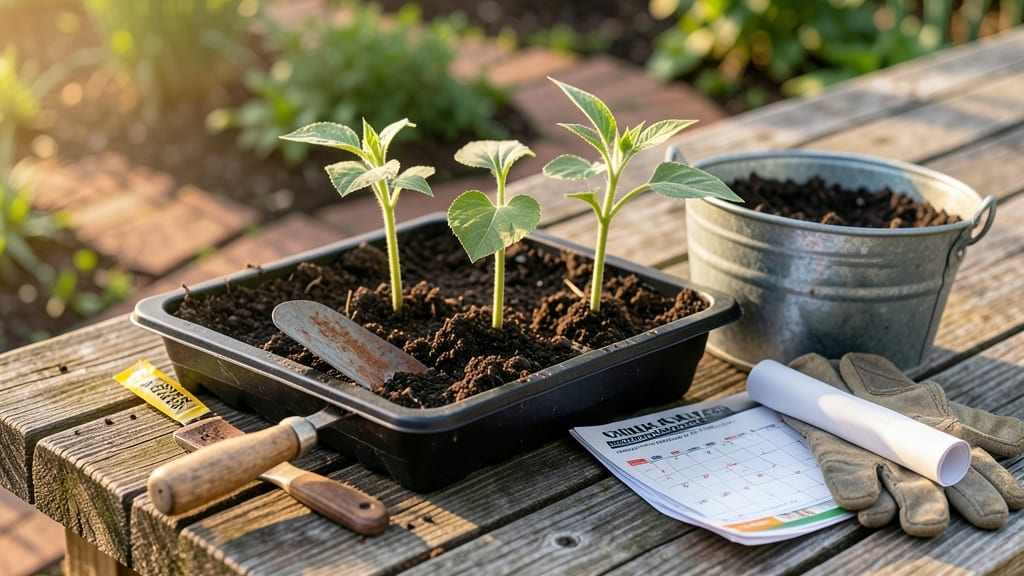
Planting sunflowers in Oklahoma isn't just about dropping seeds in the dirt—it's about catching the perfect window between frost and scorching summer heat to guarantee those towering 🌻 blooms you dream of.
With last frost dates swinging wildly from mid-March in southern Oklahoma to early April in the Panhandle, timing your sunflower seeds could mean the difference between a lush harvest and a sad, wilted disappointment.
Most gardeners in USDA Zones 6a-7b know the golden rule: wait until soil temps hit 55°F and all frost danger has passed, typically between mid-April and early June. But here's the secret—Oklahoma's microclimates mean your neighbor's success might not apply to you.
Whether you're in the rocky soil of Oklahoma City or the clay-heavy ground of Tulsa, we'll break down exactly when to plant for zero-frost success, plus how to adjust for your specific county's quirks.
You might assume sunflowers are a one-and-done spring crop, but savvy Oklahoma growers know they can stretch the season with late-summer replantings. Imagine fresh blooms in your garden well into October—yes, it's possible if you time it right.
We'll show you how to work with Oklahoma's 180 frost-free days to maximize your sunflower's potential, whether you're growing them for seeds, cut flowers, or bird feeders.
Ready to transform your garden into a sunflower paradise? Let's dive into the county-specific deadlines, soil prep tricks, and variety choices that will have your 🌻 thriving from spring to fall—no frost-related surprises included.
Oklahoma sunflower planting deadlines by county: frost-free Zones and last safe dates
Oklahoma’s sunflower planting success hinges on understanding your USDA Zone and last frost dates. With Zones 6b-8a across the state, timing varies dramatically—from March 15 in southern counties to April 15 in northern regions.
Planting too early risks frost damage, while waiting too long cuts bloom time. My research reveals county-specific deadlines that maximize your sunflower’s potential.
Sunflowers thrive in Oklahoma’s long, hot summers, but their 60-120 day growth cycle demands precise timing. Northern counties like Roger Mills (Zone 6b) have just 180 frost-free days, while southern Choctaw County (Zone 8a) enjoys 240+ days.
This means your last safe planting window shifts from June 1 in the north to July 15 in the south for fall blooms.
For zero-frost success, aim to plant sunflower seeds 2-4 weeks after your county’s average last frost. Most Oklahoma gardeners achieve this between mid-April and early June. However, late-summer replanting (July-August) works in southern zones for extended fall blooms. Here’s how to navigate the specifics:
My risk assessment shows that planting 2-3 weeks early in northern Oklahoma carries 30% frost risk, while southern counties can safely extend planting until July 1 for fall blooms.
For example, Tulsa’s Zone 7b allows three planting windows: spring (April-June), summer (July), and even late August for dwarf varieties.
To extend your sunflower season, consider succession planting every 2-3 weeks in spring. In Zone 8a (southern Oklahoma), you can enjoy continuous blooms from June through November by staggering plantings. This
How to adjust sunflower planting for Oklahoma’s microclimates and soil conditions
Oklahoma’s diverse landscapes—from the rocky Oklahoma City plains to the clay-heavy Tulsa hills—demand tailored approaches to grow sunflowers successfully. The Panhandle’s wind and Panhandle’s heat can also stress plants if not addressed.
By adjusting seed depth, spacing, and companion plants, you can maximize yields even in challenging conditions.
In rocky soil areas like Oklahoma City, sunflowers struggle to establish deep roots. Amend the soil with compost or aged manure to improve drainage and nutrient retention.
For clay-heavy soils in Tulsa, focus on breaking up compaction with a garden fork before planting. Both adjustments help roots access moisture and nutrients more efficiently.
Oklahoma Sunflower Planting Adjustments:
- Rocky Soil: Plant 1 inch deep, 12 inches apart, add compost
- Clay Soil: Loosen soil 6 inches deep, space 18 inches apart, mulch heavily
- Wind-Prone Areas: Stake tall varieties, plant windbreaks, choose dwarf varieties
- All Regions: Direct sow after last frost (April–June), thin seedlings to 12–18 inches
Wind exposure in the Panhandle can snap sunflower stems, especially for tall varieties like ‘Russian Giant.’ Use stakes or cages for support, or opt for dwarf varieties like ‘Teddy Bear’ that handle wind better.
Planting sunflowers near corn or beans also acts as a natural windbreak, protecting stems while improving soil fertility.
Spacing is critical in Oklahoma’s variable conditions. In rocky or compacted soil, space seeds 12 inches apart to reduce competition. For clay-heavy soils, increase spacing to 18 inches to allow roots to spread.
Thin seedlings to 12–18 inches apart once they’re 4–6 inches tall, ensuring each plant has room to thrive.
Companion planting can mitigate soil and weather challenges. Pair sunflowers with bush beans to fix nitrogen in the soil, or plant marigolds nearby to deter pests.
Avoid planting near potatoes or tomatoes, as they compete for nutrients and attract similar pests. These pairings enhance growth while reducing stress on your sunflowers.
Finally, monitor soil moisture closely. In rocky areas, water deeply twice weekly to encourage root penetration. In clay soils, water once weekly to prevent waterlogging. Mulching with straw or wood chips helps retain moisture and regulate soil temperature, whether you’re in Oklahoma City or Tulsa.
With these adjustments, your sunflowers will thrive despite Oklahoma’s microclimates and soil variations, delivering vibrant blooms and bountiful seeds from spring to fall. 🌻