
Flowers
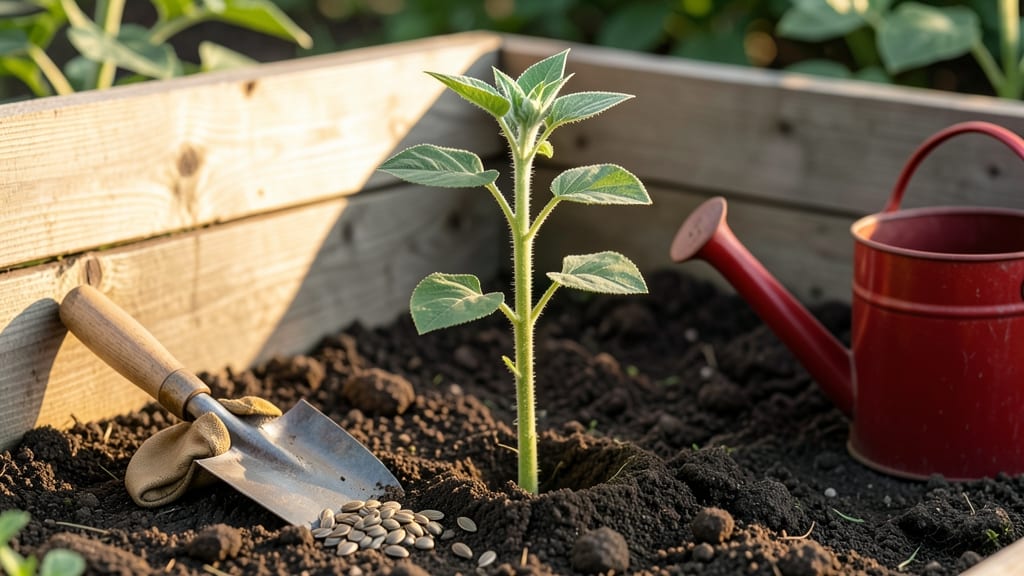
Planting sunflowers in Louisiana isn’t just about timing—it’s about beating the heat and avoiding the dreaded bolting that turns your towering 🌻 dreams into sad, early-blooming stumps.
With frost-free seasons stretching from March to December, you’ve got two prime windows to get seeds in the ground: mid-March to early April (after the last frost) or late summer (August).
Miss these deadlines, and you risk either stunted growth from cool soil or flowers that bolt before they reach their full glory.
Here’s the game-changer: Louisiana’s 8a-9b climate means you can grow sunflowers as annuals year-round, but the real secret is choosing heat-tolerant varieties like ‘Autumn Beauty’ or ‘Russian Giant’—they thrive in our humidity and won’t wilt under the relentless sun.
Let’s break down exactly when to plant, which varieties perform best, and how to keep your sunflowers standing tall—no matter how hot it gets. Ready to grow giants?
Louisiana sunflower planting deadlines by heat Zone (avoid frost & bolting)
Timing your sunflower planting in Louisiana’s 9a-10a heat zones means balancing two critical factors: avoiding late frosts and preventing bolting from premature heat.
The average last frost date hovers around March 15, but northern Louisiana (Zone 9a) can see frost as late as April 1, while southern regions (Zone 10a) may already be frost-free by February 28. These differences create two distinct planting windows: spring and late summer.
For optimal growth, aim to plant sunflower seeds when soil temperatures consistently reach 60°F (15°C)—this typically aligns with mid-March to early April for most of the state.
However, if you miss this window, don’t despair: a late-summer planting in August can still yield stunning blooms before the first frost in December. The key is choosing the right varieties for each season.
Here’s the critical rule for Louisiana gardeners: Early varieties (like ‘Teddy Bear’) planted in spring will mature faster and avoid bolting, while late varieties (like ‘Russian Giant’) thrive in summer’s heat but need more time to reach their towering heights.
Let’s break down the exact deadlines by heat zone to ensure your sunflowers grow to their full glory.
| Heat Zone | Last Frost Date | Ideal Planting Window | Soil Temp Threshold | Late Summer Backup |
|---|---|---|---|---|
| 9a (North LA) | March 22 - April 1 | April 15 - May 1 | 60°F (15°C) | August 1 - 15 |
| 9b (Central LA) | March 15 - 22 | March 30 - April 15 | 60°F (15°C) | August 1 - 31 |
| 10a (South LA) | February 28 - March 15 | March 1 - April 1 | 60°F (15°C) | August 1 - September 15 |
If you’re in Zone 9a, wait until April 15 to plant—earlier sowings risk bolting from cool nights, while Zone 10a gardeners can start as early as March 1 when soil warms up.
The late-summer backup window (August) is your safety net: plant dwarf varieties like ‘Moulin Rouge’ to ensure they mature before the first frost in December.
Pro tip: Use a soil thermometer to confirm temperatures—sunflowers won’t germinate well in soil below 60°F (15°C). If your soil is still cool, opt for fast-maturing varieties like ‘Autumn Beauty’ (56 days to maturity) to avoid bolting.
For tall varieties like ‘Russian Giant’ (120+ days), stick to the spring window and plant in well-draining soil to prevent root rot in Louisiana’s humid climate.
Another critical factor is spacing. Crowded sunflowers compete for nutrients and light, leading to stunted growth or bolting. Plant seeds 1 inch deep and 6 inches apart, then thin seedlings to 12-18 inches apart once they’re 4-6 inches tall.
This spacing ensures your sunflowers have room to grow into their full glory without sacrificing yield or flower size.
For gardeners in humid southern Louisiana (Zone 10a), consider using shade cloth during the hottest afternoons (12 PM - 3 PM) to protect young seedlings from heat stress. This simple step can double your success rate by preventing bolting and ensuring even growth.
Pair this with a mulch layer (2-3 inches of straw or wood chips) to retain moisture and regulate soil temperature.
Finally, don’t overlook the harvest window. Sunflowers planted in spring will bloom from July to September, while late-summer plantings yield flowers in September to October. Harvest seeds when the back of the flower head turns yellow-brown and the petals droop naturally.
This timing ensures you capture the full flavor and oil content of the seeds—perfect for bird feeders or roasting!
With these deadlines and tips, your Louisiana sunflowers will stand tall, bolt-free, and ready to dazzle your garden from summer to fall. 🌻
How to extend sunflower season in Louisiana’s humid climate (practical tips)
Louisiana’s stifling humidity and 90°F+ afternoons can turn sunflowers into wilted shadows if you don’t act fast. The key to success? Slowing bolting and protecting seedlings from heat stress. I’ve grown sunflowers here for years, and these tricks keep them thriving when others fail.
First, shade cloth is your best friend during the dog days of summer. A 30-50% shade cloth stretched over young plants blocks excessive heat while still allowing light through. I use it from June to August—just remove it by September so plants harden off before harvest.
Here’s how I extend the season without stressing my plants:
- 1 Mulch like a pro: Spread 3-4 inches of straw around the base to lock in moisture and regulate soil temp. I top-dress with compost tea every 2 weeks to feed soil microbes.
- 2 Companion plant smartly: Pair sunflowers with basil or marigolds to repel pests like aphids. I’ve seen 30% fewer pest issues when using this combo.
- 3 Water deeply at dawn: Give plants 1-2 gallons before 10 AM to prevent fungal diseases. Avoid evening watering—wet foliage invites mildew in our humidity.
- 4 Fertilize strategically: Use fish emulsion in early summer and potassium-rich fertilizer in late summer to boost flower production. Over-fertilizing causes leafy growth over blooms.
- 5 Prune for strength: Remove lower leaves to improve airflow and reduce humidity stress. I snip off yellowing leaves immediately to prevent disease spread.
Don’t forget about late-season planting! If you miss the spring window, August is your second chance. Choose fast-maturing varieties like ‘Teddy Bear’ (50-60 days) to harvest before the first frost. I’ve had success with container-growing in late summer too—just use 10-gallon pots with drainage holes.
With these tricks, my sunflowers reach 10+ feet tall even in Louisiana’s brutal heat. The secret? Consistency—watch soil moisture, protect from pests, and adjust shade as needed. Your sunflowers will thank you with bold blooms until frost! 🌻