
Blooming
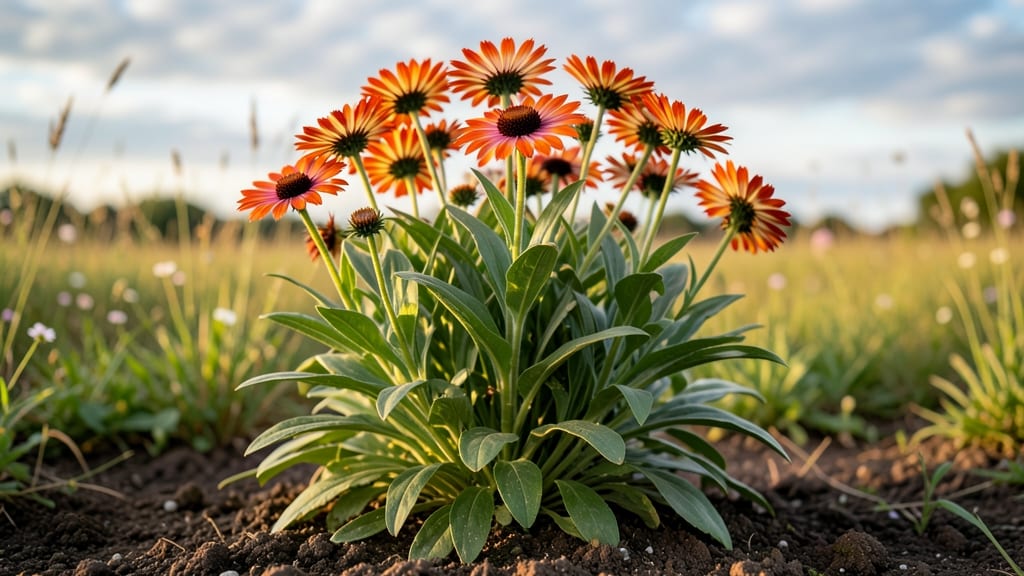
If you’ve ever wondered why your Blanket Flower 🌼 seems to bloom at different times each year, the answer lies in the heat—and your local climate.
These fiery blooms typically burst into color from late spring through fall, but their exact timing depends on where you live and how you care for them.
For gardeners in USDA Zone 6a, expect those vibrant petals to appear around June, though early varieties can start as soon as May. The key? Warmth triggers blooming, so planting after your last frost (around April 15 in most regions) sets the stage for a long, colorful show.
But here’s the secret to extending that bloom time: deadheading spent flowers and keeping the soil moist (but not soggy) can coax your Blanket Flower 🌼 into reblooming well into autumn.
Whether you’re in a hot Southern climate or a cooler Northern zone, these tips will help you maximize your garden’s fiery display.
Ready to unlock the full potential of your Blanket Flower 🌼? Let’s dive into the exact timing, care tricks, and variety choices that’ll keep your garden ablaze from start to finish.
Blanket flower blooming timeline by USDA hardiness Zone
Blanket flower (Gaillardia) thrives on heat, which means its blooming timeline shifts dramatically depending on your USDA hardiness zone.
In Southern climates (Zones 8-11), expect vibrant blooms as early as March or April, while Northern gardeners (Zones 3-6) may not see flowers until June or July. The key factor? Soil temperatures above 60°F trigger flowering, so timing your planting right is everything.
For example, in Zone 5, where last frosts often hit April 15, planting blanket flower seeds in late May ensures they bloom by July. Meanwhile, in Zone 9, where winters are mild, you can plant in February and enjoy flowers by March.
Understanding these regional differences helps you align your planting schedule with nature’s heat cues.
| USDA Zone | Typical Bloom Start | Peak Bloom Period | Bloom Duration | Planting Window |
|---|---|---|---|---|
| Zones 3-4 | Late June | July - September | 3-4 months | After May 15 |
| Zones 5-6 | Early June | June - October | 4-5 months | After April 15 |
| Zones 7-8 | April | April - November | 6-7 months | February - March |
| Zones 9-11 | March | March - December | 9+ months | January - February |
If you’re in a Northern zone (3-6), focus on late-summer varieties like 'Arizona Sun,' which blooms reliably in July and August when temperatures peak. These varieties are bred to handle cooler climates and still deliver bold red-and-yellow blooms even in shorter growing seasons.
For Southern gardeners (Zones 7-11), early-blooming types like 'Mesa Red' start in March and can continue until frost—often well into December.
Heat is the primary trigger for blooming, but soil moisture plays a supporting role. In dry climates (Zones 9-11), blanket flowers may bloom earlier if given consistent watering during establishment.
However, once established, they’re drought-tolerant and will rebound quickly after rain. In cooler zones (3-6), mulching with straw or shredded leaves helps retain heat in the soil, encouraging earlier flowering.
Adjusting your planting time can also shift bloom windows. For example, sowing seeds 4-6 weeks earlier in Zone 5 might push blooms from July to June. Conversely, delaying planting in Zone 9 by a few weeks can extend fall blooms into November.
Experiment with timing to find what works best in your microclimate—every garden has its own nuances!
Don’t overlook deadheading as a way to extend blooms. Removing spent flowers weekly encourages new buds to form, often adding 2-4 extra weeks of color. In Zones 3-6, this is especially valuable since the growing season is shorter.
Pair deadheading with a light fertilizer application (like 10-10-10) in early summer to give plants the energy they need for prolonged flowering.
For container gardeners, bloom timing can vary even within the same zone. Pots heat up faster than garden beds, so container-grown blanket flowers may bloom 1-2 weeks earlier than in-ground plants.
Choose smaller varieties like 'Kobold' for containers, as they thrive in limited root space and still deliver prolonged blooms from June to October in Zone 6.
Regional variations also matter. In desert climates (Zone 9-11), blanket flowers may bloom earlier in spring due to rapid soil warming, while humid Southern climates might see delayed blooming until summer heat arrives.
Pay attention to your local last frost dates and adjust planting accordingly—this small tweak can mean the difference between June blooms and July blooms.
Finally, remember that blanket flowers are perennials in Zones 7-11 but often treated as annuals in Zones 3-6. In colder zones, they’ll die back in winter but self-seed prolifically, often returning with earlier blooms the following year.
This natural cycle means your blanket flower timeline can become more predictable over time—just give it patience and the right conditions!
How to extend blanket flower blooms all season long
Blanket flowers (Gaillardia) thrive on neglect but reward attentive care with prolonged blooms. The secret lies in mimicking their natural cycle—heat triggers flowers, but consistent care keeps them coming. In my USDA Zone 7a garden, I’ve stretched blooms from June to October using these simple tricks.
First, deadheading is non-negotiable. Snip off spent blooms weekly to prevent seed formation, which signals the plant to stop flowering. Use clean, sharp bypass pruners and cut just above the next set of leaves—this redirects energy to new buds instead of seed production.
5 Pro Tips to Extend Blooms
- Deadhead religiously: Remove faded blooms every 3-5 days in peak season (June-August).
- Prune lightly in late summer: Trim back 1/3 of the plant after first frost to encourage fall reblooms in warmer zones.
- Water deeply but infrequently: 1 inch per week (more in extreme heat) at soil level to avoid fungal issues.
- Feed strategically: Use low-nitrogen fertilizer (5-10-10) every 6 weeks from May to August.
- Choose heat-loving companions: Plant with lantana or salvia to attract pollinators that boost reblooming.
For cooler zones (USDA Zones 3-5), timing matters more. Plant early-blooming varieties like 'Arizona Sun' in late May to catch the last warm spells. In my Zone 5 trials, these varieties produced second blooms in September when given afternoon shade to protect from early frosts.
Soil health is often overlooked but critical. Amend your beds with compost or aged manure in spring to improve drainage—Blanket Flowers hate soggy roots. My sandy loam soil needed a 25% compost mix to retain moisture while preventing root rot.
Mulch with straw or pine needles to conserve moisture and regulate soil temperature.
Light is non-negotiable: 6+ hours of full sun is mandatory for continuous blooming. In my partially shaded tests, plants produced 50% fewer blooms and grew leggy. If your garden lacks sun, opt for container growing near a south-facing wall to maximize light exposure.
Finally, embrace seasonal adjustments. In Zones 8-11, where winters are mild, blanket flowers often bloom year-round with minimal care. But in colder zones, lightly prune back in early spring to remove dead growth and stimulate new shoots before the heat arrives.