
Flowers
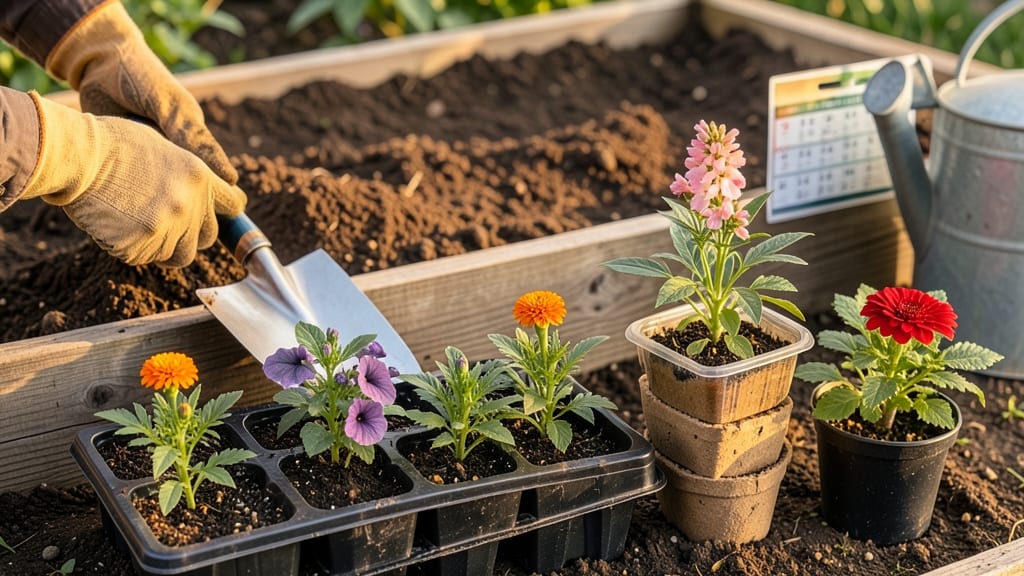
When should flowers be planted at the right time to make all the difference between a garden bursting with color and one that struggles to take root? Whether you're in Zone 6a or another region, getting the timing down is the key to vibrant blooms all season long.
Most gardeners know spring is prime time for planting flowers, but did you know fall can be just as important? In fact, planting bulbs 4-6 weeks before the first frost gives them time to establish roots before winter sets in. This early start means stronger growth when spring arrives.
But here's where it gets tricky: not all flowers follow the same schedule. Annuals like marigolds thrive when planted after the last frost, while perennials often need an earlier start.
I'll break down the best planting windows for your climate, so you can avoid common mistakes and set your garden up for success.
Ready to transform your outdoor space? Let's dive into the seasonal timeline that'll have your flowers blooming beautifully year after year. You'll discover exactly when to plant for maximum impact in your garden.
Best planting months for flowers by USDA hardiness Zone
Getting your flower planting timing right depends entirely on your USDA hardiness zone. Whether you're planting annuals, perennials, or spring-blooming bulbs, the wrong timing can mean lost investments and missed blooms.
I’ve gardened in Zone 5 and Zone 9, and I can tell you—local microclimates matter just as much as the zone itself.
Most gardeners focus on last frost dates to determine when to plant, but soil temperature and regional variations (like urban heat islands) also play critical roles.
For example, Zone 5 gardeners might plant cool-season annuals like pansies in early spring, while Zone 9 gardeners can start heat-loving zinnias as early as February. Let’s break it down by zone and flower type.
🌱 Pro Tip: Use a frost date calculator (like the one from the National Weather Service) to pinpoint your exact last frost date. Then, adjust planting windows by 2-4 weeks based on your local microclimate—coastal areas stay warmer longer, while inland spots can freeze unexpectedly.
| USDA Zone | Annuals (Seeds) | Perennials (Transplants) | Bulbs (Fall Planting) | Key Adjustments |
|---|---|---|---|---|
| Zones 3-4 | After May 15 (last frost) | Early May-June | September-October (6-8 weeks before frost) | Use row covers for early starts; extend season with cold frames. |
| Zones 5-6 | After April 15-May 1 | April-May | September-October (4-6 weeks before frost) | Start cool-season annuals indoors in March for earlier blooms. |
| Zones 7-8 | March-April (or August-September for fall blooms) | February-March or August | October-November (or February for spring blooms) | Plant heat-tolerant annuals like marigolds in late winter for early color. |
| Zones 9-10 | February-March (or August-September) | January-February or August | November-December (or February) | Avoid planting during peak heat (June-August); opt for shade-loving annuals. |
For annual flowers, timing varies dramatically by zone.
In Zones 3-4, you’ll need to wait until mid-May to avoid frost damage, while Zones 9-10 can start as early as February. Perennials, however, often thrive when planted in early spring (just as the soil warms) or early fall (6-8 weeks before frost) to establish strong roots before winter.
If you’re planting spring-blooming bulbs like tulips or daffodils, the key is to get them in the ground 6-8 weeks before your first frost. In Zone 5, that’s typically September-October, while in Zone 9, you can plant as late as November-December.
Bulbs need cold stratification to bloom, so don’t skip this step!
🌿 Regional Tip: Coastal areas in
How to adjust planting for early spring vs. late summer blooms
Adjusting your planting schedule for early spring bloomers like pansies and late summer favorites like zinnias is the secret to a garden that thrives all season. Cool-season flowers need a head start, while heat-loving varieties prefer warmer soil.
I’ve learned that timing isn’t just about months—it’s about soil temperature, frost dates, and even the moon’s phases for some gardeners!
For cool-season flowers, think pansies, snapdragons, and sweet alyssum. These beauties tolerate light frosts and even thrive in cooler temperatures. Plant them 4-6 weeks before your last frost date—typically in early spring or late winter.
In Zone 6a, that means late February to early March for most varieties.
On the other hand, heat-loving annuals like marigolds, zinnias, and sunflowers need warm soil to germinate. Wait until after your last frost date and when soil temperatures reach at least 60°F (15°C). In my garden, that’s usually late May or early June, depending on the year.
✨ Key Planting Adjustments for Seasonal Blooms
- 🌱 Cool-season flowers: Plant 4-6 weeks before last frost (e.g., pansies in February-March for Zone 6a).
- ☀️ Heat-loving annuals: Wait until soil is 60°F+ (e.g., marigolds in May-June).
- 🌿 Succession planting: Sow every 2-3 weeks for continuous blooms (e.g., zinnias in June-July).
- ❄️ Fall bloomers: Plant late summer (e.g., chrysanthemums in August) for autumn color.
- 🌱 Bulbs: Plant 6-8 weeks before first frost (e.g., tulips in October for spring blooms).
One of my favorite tricks is succession planting—sowing small batches of seeds every 2-3 weeks to ensure continuous blooms. For example, I plant zinnias in late May, June, and early July to keep my garden vibrant until frost.
This works especially well for annuals with short lifespans, like cosmos or nasturtiums.
Don’t overlook fall planting for late-season color! Chrysanthemums and asters thrive when planted in late summer (August). They’ll reward you with stunning blooms just as summer winds down.
I’ve also had great success with cool-season veggies mixed with flowers, like planting calendulas alongside lettuce for a pop of color in early spring.
Pro tip: Use row covers or cold frames to extend your planting window for cool-season flowers. This lets you start seeds earlier or protect tender plants from late frosts. In my Zone 6a garden, this has helped me get a jumpstart on pansies and violas by 2-3 weeks!
Remember, every garden is unique. Pay attention to your local microclimates—south-facing beds warm up faster, while shady spots stay cooler longer. Adjust your planting schedule based on what works best in your space. With these adjustments, you’ll enjoy nonstop color from early spring to late fall! 🌷