
Flowers
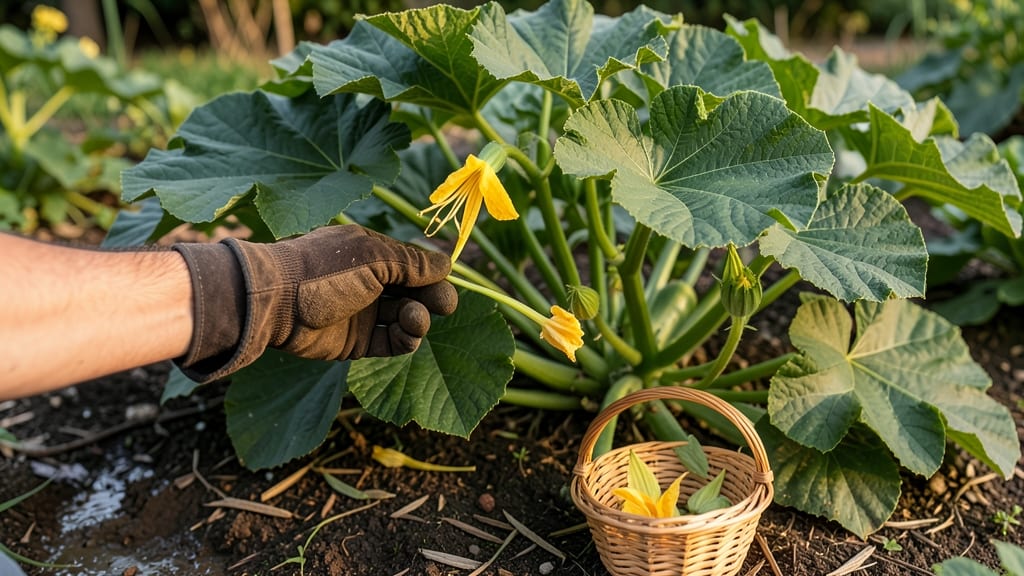
Picking zucchini flowers at the wrong time means missing out on their delicate, floral magic—or worse, ending up with bitter blooms that wilt before you can use them.
The secret to harvesting them at their peak lies in understanding the perfect bloom stage, and it’s easier than you think.
Most gardeners wait until the flowers are fully open, but timing matters even more than you’d expect. Morning harvests yield the freshest blooms, while afternoon picking can leave them limp. Plus, knowing which flowers to pick (and which to leave for pollination) makes all the difference in your garden’s productivity.
If you’ve ever wondered why your zucchini flowers seem to disappear overnight—or why some turn rubbery before you can cook them—this guide will show you exactly when to pluck them for the best flavor and texture.
From identifying the ideal bloom to avoiding common mistakes, I’ll walk you through every step.
Ready to turn your garden’s edible blooms into a culinary highlight? Let’s dive into the best practices for harvesting zucchini flowers so you never miss another opportunity to enjoy them.
The perfect timing to harvest zucchini flowers for optimal flavor
Zucchini flowers reach their peak flavor when harvested at the right stage—not too early (when they’re still bitter) and not too late (when they wilt). The ideal time is when the blooms are fully open but haven’t yet been pollinated, which usually happens in the morning hours.
This timing ensures tender petals and the brightest yellow hue, perfect for frying or stuffing.
Most gardeners overlook the time of day when harvesting, but morning picks yield the freshest flowers. The cooler temperatures preserve their moisture, while afternoon heat can cause them to droop by dinnertime. If you’re harvesting later in the day, work quickly and store them in the fridge until use.
Weather plays a surprising role in harvest timing. Humid days can make flowers more delicate, while dry, sunny mornings are ideal. If rain is forecasted, harvest a day early to avoid soggy petals.
Even a light breeze can cause flowers to close prematurely, so check your plants just after sunrise for the best results.
Here’s a quick reference to help you spot the perfect zucchini flower for picking:
Male flowers (the ones with long stems) are the best choice for harvesting because they don’t develop into fruit. Female flowers (with tiny zucchinis at their base) can still be used, but they’ll have a slightly different texture.
If you’re growing zucchini for both flowers and fruit, leave a few female blooms unpicked to ensure pollination.
To harvest, use a clean, sharp pair of scissors or your fingers to pinch the stem just above a leaf node. This encourages more blooms to grow in its place.
Avoid tugging, as this can damage the plant. If you’re harvesting multiple flowers, work from the outside of the plant inward to avoid shading inner blooms.
Morning harvests aren’t just about freshness—they also give your plants a head start for the day. By removing flowers early, you reduce the risk of pests like squash vine borers, which are more active in the heat of the afternoon.
Plus, your kitchen will thank you for having the freshest ingredients ready for breakfast or lunch.
If you miss the morning window, don’t despair. Flowers picked in the late afternoon can still be used, but they’ll need to be refrigerated immediately. Place them in a paper towel-lined container with the stems submerged in a cup of water to extend their shelf life.
This trick works best for recipes that call for cooked flowers, like fritters or pasta.
Seasonal timing matters too. In early summer, flowers may open faster due to warmer temperatures, while late-season blooms can take longer to reach peak ripeness.
Adjust your harvesting schedule based on your local climate—if your summers are hot, you might need to pick even earlier in the day to avoid wilting.
Remember, the key to harvesting zucchini flowers is consistency. Check your plants daily during peak bloom season (June-August in most climates) and harvest as soon as they meet your criteria. The more you pick, the more your plant will produce—so don’t be shy about enjoying these edible gems!
How to identify overripe vs. underripe zucchini flowers (with photos)
Zucchini flowers reach their peak flavor when fully open and vibrant, but timing is everything. An underripe flower will taste bitter and underdeveloped, while an overripe one will wilt into a limp, rubbery mess. The key lies in recognizing the subtle differences between these stages before they pass their prime.
Start by examining the petal color. Underripe flowers often appear pale or greenish-yellow, while ripe ones burst with a bright, golden hue. The petals should also lay flat and spread out—any curling or drooping signals overripeness.
Pay attention to the stem firmness too; a soft, flexible stem means the flower hasn’t reached its peak.
Another common mistake is confusing male vs. female flowers. Male flowers grow on long stems and lack the tiny zucchini at their base, while female flowers have a miniature fruit swelling beneath the bloom. Both are edible, but female flowers are often harvested first to encourage more fruit production.
🌱
⚠️ Warning: Picking at the Wrong Time
Harvesting zucchini flowers too late can reduce fruit production. Once a female flower is picked, the plant won’t develop a zucchini. For best results, harvest in the morning when blooms are fully open and dew has dried. Avoid picking after noon, as heat can cause wilting.
If you’ve accidentally picked a slightly wilted flower, don’t toss it! Place it in a glass of cold water for a few hours to revive it. This trick works best for flowers that are only partially overripe.
For fully wilted blooms, try using them in cooked dishes like frittatas or pasta, where texture matters less.
To avoid overripe flowers altogether, check your plants daily during peak blooming season (late morning to early afternoon). Look for flowers that are fully open but still firm. If you notice more flowers wilting than usual, your plant might be stressed—check for pests, water needs, or nutrient deficiencies.
Pro tip: Use a pair of clean, sharp scissors or pruners to harvest flowers. Cut the stem at a 45-degree angle just above a leaf node to encourage new growth. This method also prevents damage to the plant and keeps it healthy for future blooms.
🌺